Understanding Mania: Symptoms, Causes, and Management

Updated: 18 minutes ago
Medically reviewed by Dr. Baraa Alnahhal, MD · Last reviewed: September 2026
In short: Mania is a period of intense mood and activity spikes lasting at least one week, often characterized by high energy and reduced sleep. It is a core feature of bipolar disorder but can occur in other conditions. Management involves a combination of medication, therapy, and trigger identification.
Quick Answer
Mania is a clinical state characterized by a significant spike in mood, energy, and activity levels lasting at least seven consecutive days. Individuals experiencing mania often feel euphoric or extremely irritable, require significantly less sleep, and may engage in impulsive or risky behaviors. While most commonly associated with bipolar disorder, it can also stem from other medical or psychological factors. Effective management typically includes mood-stabilizing medications, psychotherapy, and lifestyle adjustments to identify and avoid triggers.
The Nature of a Manic Episode
A manic episode represents a distinct period where an individual's behavior and energy levels deviate significantly from their baseline. These symptoms are not fleeting; they must persist for most of the day, nearly every day, for at least one week to meet clinical criteria. In severe cases, the intensity of the episode may necessitate hospitalization to ensure the individual's safety and provide a controlled environment for stabilization.
While clinicians do not categorize mania into rigid types for diagnosis, they often use specific descriptors to characterize the presentation. Euphoric mania is marked by extreme pleasure and feeling "on top of the world," whereas dysphoric mania involves intense anxiety, anger, or restlessness. Some individuals experience mixed features, where manic and depressive symptoms occur simultaneously, which can significantly increase the risk of self-harm.

Recognizing the Signs and Symptoms
The symptoms of mania affect mood, cognition, and physical activity. Because these changes can be intense, individuals experiencing them may not recognize the shift themselves, often relying on the observations of family or friends. Common signs include talking much faster than usual, moving with a sense of purposelessness like pacing, and starting numerous projects simultaneously without finishing them.
Mood and energy: Extreme euphoria, irritability, or feeling invincible.
Sleep and activity: Feeling fully rested after only a few hours of sleep, along with high activity levels.
Cognition: Racing thoughts, rapid ideas, and being easily distracted.
Behavior: Impulsivity, risky decision-making, and increased socialization.
After a manic episode concludes, the transition can be challenging. Many individuals experience a "crash" into a low or depressed mood. They may also feel overwhelmed by commitments made during the episode or feel embarrassed by their previous actions. Extreme fatigue is common as the body recovers from the prolonged period of high activity.
Causes and Potential Triggers
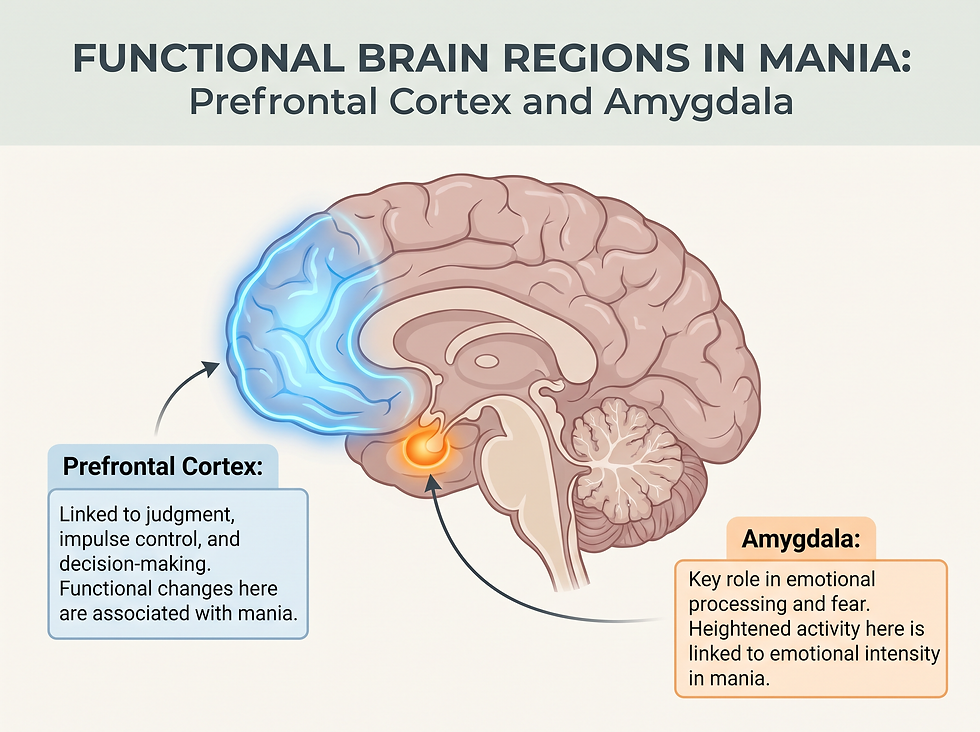
The exact cause of mania is not fully understood, but research suggests it arises from a complex interaction of genetic, psychological, and social factors. Genetic links are particularly strong, as evidenced by studies involving biological families and identical twins. Brain imaging has also revealed functional differences in areas responsible for emotion and judgment, such as the amygdala and prefrontal cortex.
Beyond genetics, certain life events or physiological changes can trigger a manic episode. Identifying these triggers is a crucial part of long-term management. Common triggers include:
High levels of stress or major life changes like a move or loss.
Significant disruptions to sleep patterns or sleep deprivation.
Side effects from specific medications, including some antidepressants.
Physical factors such as brain injuries, tumors, or strokes.
Diagnostic and Treatment Pathways
Diagnosing mania involves a thorough review of medical and family history, along with physical exams to rule out other potential causes. Clinicians use the criteria outlined in the DSM-5, looking for a clear change in behavior that lasts at least a week and causes significant functional impairment. Blood tests or imaging scans may be utilized to ensure the symptoms are not caused by an underlying physical condition or substance use.
Management is highly individualized and often evolves over time. The primary goal is to stabilize the mood and reduce the frequency and intensity of episodes. A combination of pharmacological and therapeutic approaches is standard.
Medications: Mood stabilizers (for example, lithium), antipsychotics, and short-term sedatives.
Therapies: Cognitive Behavioral Therapy (CBT), psychotherapy, and family therapy.
Support: Support groups and the use of mood diaries to track triggers.

Conclusion
Mania is a significant clinical event that requires professional intervention and ongoing support. By understanding the signs, identifying personal triggers, and adhering to a tailored management plan, individuals can navigate these episodes more safely and maintain a more stable mood over time. Early intervention is key to preventing symptoms from escalating and reducing the impact on daily life.
Take the next step toward stability. If you or a loved one are experiencing symptoms of mania, consult a healthcare professional to develop a comprehensive management plan today.
Frequently Asked Questions
How long does a manic episode typically last?
A manic episode must last at least seven days to meet diagnostic criteria, but it can persist for weeks or even three to six months if left untreated.
Can you have mania without having bipolar disorder?
Yes, while mania is a hallmark of bipolar I disorder, it can also occur in schizoaffective disorder, postpartum psychosis, and other conditions.
What is the difference between mania and hypomania?
While both involve elevated mood, mania is more severe, lasts longer (at least a week), and may involve psychosis or require hospitalization.
Can stress alone cause a manic episode?
High stress is a common trigger that can make a manic episode more likely to happen in predisposed individuals.
Is mania always a "happy" mood?
No, mania can also manifest as extreme irritability, anger, or restlessness, often referred to as dysphoric mania.
Do genes play a role in mania?
Yes, research shows a strong genetic link, though environmental and social factors also contribute to its development.
Can certain medications trigger mania?
Yes, some medications, such as certain antidepressants, can trigger manic symptoms as a side effect.
What are "mixed features" in mania?
Mixed features occur when an individual experiences symptoms of both mania and depression at the same time.
Is hospitalization always necessary for mania?
Hospitalization is not always required but may be necessary in severe cases to ensure safety and facilitate stabilization.
What are hallucinations and delusions in mania?
These are psychotic symptoms where a person sees or hears things that aren't there (hallucinations) or holds false beliefs (delusions).
How does sleep affect mania?
Lack of sleep or major changes in sleep patterns are significant triggers for manic episodes.
Can a brain injury cause manic symptoms?
Yes, physical changes to the brain from injuries, tumors, or strokes can sometimes lead to mania.
What is a mood diary?
A mood diary is a tool used to track daily feelings and behaviors to help identify patterns and early signs of a manic episode.
Are there specific tests to diagnose mania?
Diagnosis is primarily clinical, but doctors may use blood tests or brain scans to rule out other medical conditions.
Can treatment shorten a manic episode?
Yes, appropriate treatment with medications and therapy can help shorten the duration and intensity of an episode.
References
Medical Disclaimer: This content is for informational purposes only and does not constitute medical advice. Always seek the advice of a qualified healthcare provider with any questions regarding a medical condition.
Comments