Understanding Malignant Neoplasms: Types, Risks, and Care

Updated: 54 minutes ago
Medically reviewed by Dr. Baraa Alnahhal, MD · Last reviewed: September 2026
In short: Malignant neoplasms are cancerous tumors characterized by rapid cell division and the ability to invade nearby tissues or spread throughout the body. Their causes are linked to genetic mutations and various risk factors, and early detection through screenings and biopsies is critical. Management typically combines surgery, chemotherapy, and radiation, supported by comprehensive rehabilitation and palliative care.
Quick Answer
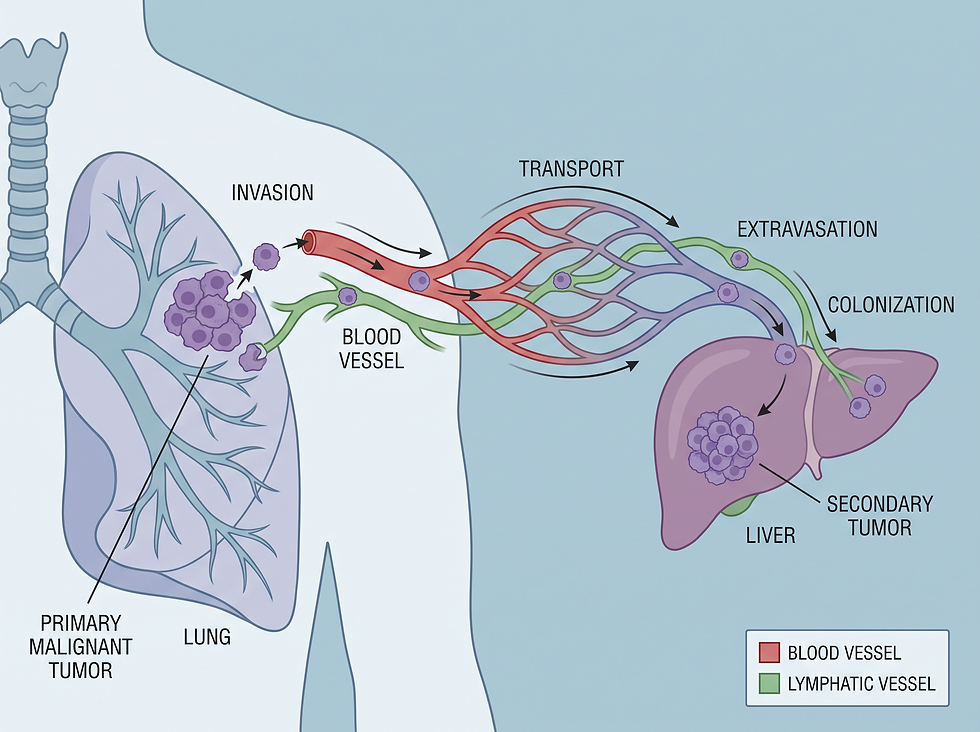
A malignant neoplasm is a cancerous tumor that develops when cells multiply uncontrollably. Unlike benign growths, these tumors can invade surrounding tissues and travel to distant organs via the blood or lymphatic system, a process known as metastasis. Diagnosis relies on imaging and definitive biopsies, while treatment focuses on halting growth through surgery, medication, or radiation. Early identification and lifestyle adjustments are essential for improving long-term outcomes and managing symptoms effectively.
Overview of Malignant Neoplasms
A malignant neoplasm represents an abnormal mass of tissue that forms when cells grow and divide at an accelerated rate. These growths are fundamentally different from normal tissue because the cells do not die when they should, leading to the formation of a tumor. The defining characteristic of a malignant neoplasm is its invasive nature; it has the potential to break through local tissue boundaries and migrate to other parts of the body.
The process of spreading, referred to as metastasis, often involves cancerous cells entering the circulatory or lymphatic systems. Once these cells reach new locations, commonly the lungs, liver, brain, or bones, they can establish secondary tumors. Because of this ability to spread, malignant neoplasms are considered life-threatening and require prompt medical intervention to manage their growth and impact on overall health.
Primary Types of Malignant Neoplasms
Malignant neoplasms are categorized based on the type of cells they originate from and the tissues they affect. Distinguishing between these types helps clinicians determine the most effective management strategies and understand the likely progression of the condition.
Carcinomas: These develop in the skin or the epithelial lining of internal organs. They are among the most common forms of malignant growth.
Sarcomas: These originate in the connective tissues, including bones, cartilage, fat, muscle, and tendons.
Blood cancers: These affect the production and function of blood cells, typically starting in the bone marrow or lymphatic system.

Identifying Symptoms and Warning Signs
The symptoms associated with a malignant neoplasm vary significantly depending on where the tumor is located. For instance, a growth in the breast may present as a palpable lump or skin changes, while a tumor in the prostate might lead to urinary difficulties or blood in the urine. However, there are several general warning signs that may indicate the presence of an underlying malignant process.
Individuals should monitor for persistent fatigue, unexpected weight loss, and drenching night sweats, which are common systemic responses to cancerous growth. Respiratory issues like a persistent cough or shortness of breath, as well as gastrointestinal changes like chronic diarrhea, may also occur. Any abnormal lumps or bumps that do not resolve should be evaluated, as early detection is a critical factor in successful management.
Causes and Risk Factors
Malignant neoplasms arise when genetic mutations transform normal cells into cancerous ones, causing them to bypass the body's natural cell-death cycles. While the exact trigger for these mutations is not always clear, several factors are known to increase the likelihood of developing a cancerous tumor.
Lifestyle factors: Smoking, excessive alcohol consumption, and obesity are significant contributors to cancer risk.
Environmental exposure: Excessive exposure to ultraviolet (UV) rays from the sun and contact with certain chemical toxins or radiation can damage cellular DNA.
Biological factors: The risk of developing neoplasms naturally increases with age, and a family history of similar conditions may indicate a genetic predisposition.
Diagnostic and Treatment Pathways
The diagnostic process typically begins with imaging studies, such as CT scans or MRI scans, to locate potential tumors. However, a biopsy, which is the removal and examination of tissue samples, remains the only definitive method to confirm whether a neoplasm is malignant. Pathologists examine these samples to identify abnormal changes in cell size and shape that characterize cancer.
Management Strategies
Treatment for malignant neoplasms is highly individualized, focusing on preventing the tumor from growing or spreading further. A combination of therapies is often employed to achieve the best results.
Surgical intervention: Used to physically remove the tumor and surrounding affected tissue.
Neoadjuvant and adjuvant therapy: Neoadjuvant treatments shrink tumors before surgery, while adjuvant therapies aim to eliminate any remaining cells afterward.
Systemic treatments: Chemotherapy and immunotherapy use specialized medications to target and destroy cancerous cells throughout the body.
Radiation therapy: High-energy rays are directed at the tumor site to damage the DNA of cancerous cells and stop their division.
Supportive Care and Recovery
Managing a malignant neoplasm involves more than just treating the tumor; it requires comprehensive support to maintain quality of life. Cancer rehabilitation programs provide nutritional guidance, physical therapy, and mental health support to help individuals stay in the best possible shape during and after treatment.
Palliative care is another essential component, focusing on managing the symptoms of the condition and the side effects of treatment. For those who have completed their primary therapy, survivorship support offers ongoing resources to navigate life after a cancer diagnosis. Engaging with support groups can also help reduce the feelings of isolation that often accompany serious health challenges.

Prevention and Risk Reduction
While it is not possible to prevent all malignant neoplasms, certain proactive steps can significantly reduce overall risk. Maintaining a healthy lifestyle through regular exercise and a balanced diet is a foundational strategy. Protecting the skin from UV exposure and avoiding tobacco products are also critical preventative measures.
Vaccination: Vaccines for HPV and Hepatitis B help prevent cancers linked to these viruses.
Screening: Attend all recommended cancer screenings for early detection, when tumors are most treatable.
Genetic testing: Consider specialized testing if there is a strong family history of malignant neoplasms.
Conclusion
A diagnosis of a malignant neoplasm is a significant health event, but modern medical advancements offer numerous pathways for management and support. By understanding the types, symptoms, and risk factors associated with these tumors, individuals can take an active role in their health journey. Early detection, combined with a comprehensive care plan that addresses both the physical and emotional aspects of the condition, remains the most effective approach to navigating a cancer diagnosis.
What to do next: If you notice persistent symptoms such as unexplained weight loss, unusual lumps, or chronic fatigue, consult a healthcare professional for a thorough evaluation. Prioritizing regular screenings and discussing your family history with a provider can lead to early intervention and more effective management of your long-term health.
Frequently Asked Questions
What is the difference between a neoplasm and cancer?
A neoplasm is any abnormal growth of tissue; it is only considered cancer if it is malignant, meaning it can invade and spread.
Are all neoplasms life-threatening?
Benign neoplasms are generally not life-threatening, but malignant ones can be if they spread to vital organs.
How does a malignant neoplasm spread?
It spreads through metastasis, where cells travel via the blood or lymphatic system to other parts of the body.
Can a biopsy confirm cancer?
Yes, a biopsy is the only definitive way to confirm that a tumor is malignant.
What are the most common sites for metastasis?
Malignant cells frequently spread to the lungs, liver, brain, and bones.
Is surgery always required?
Not always; the need for surgery depends on the tumor's type, location, and stage.
What is the purpose of neoadjuvant therapy?
It is used to shrink a tumor before surgery, making it easier to remove.
Can lifestyle changes prevent cancer?
They can significantly reduce the risk, though they cannot guarantee complete prevention.
Why does age increase cancer risk?
Genetic mutations that lead to cancer are more likely to accumulate over time as a person ages.
What are the signs of prostate cancer?
Common signs include blood in the urine or an increased frequency of urination.
Are sarcomas common?
They are less common than carcinomas and originate in connective tissues like bone and muscle.
What does a pathologist do?
A pathologist examines tissue samples under a microscope to check for abnormal cell sizes and shapes.
Is palliative care only for end-of-life?
No, it is supportive care provided at any stage of a serious illness to manage symptoms and side effects.
Do all malignant tumors grow fast?
Most typically grow more rapidly than benign ones, but the rate varies by type.
What is adjuvant therapy?
It is treatment given after primary therapy (like surgery) to kill any remaining cancerous cells.
References
Medical Disclaimer: The information provided in this article is for educational purposes only and should not be used as a substitute for professional medical advice, diagnosis, or treatment. Always seek the advice of your physician or other qualified health provider with any questions you may have regarding a medical condition. Never disregard professional medical advice or delay in seeking it because of something you have read in this article. If you think you may have a medical emergency, call your doctor or emergency services immediately.
Comments