Understanding Hypertensive Heart Disease: Risks, Symptoms, and Management

Updated: 5 days ago
Medically reviewed by Dr. Baraa Alnahhal, MD · Last reviewed: October 2026
TL;DR
Hypertensive heart disease is a condition caused by years of unmanaged high blood pressure (hypertension). The chronic strain forces the heart muscle to work harder, eventually causing it to thicken (left ventricular hypertrophy) and weaken. This can lead to serious complications, including heart failure, coronary artery disease, and stroke. Because high blood pressure often has no symptoms, many people only discover the damage after it has progressed. Treatment focuses on daily medication, lifestyle changes, and managing related conditions like diabetes or high cholesterol to prevent further heart damage.
Quick Answer: What Is Hypertensive Heart Disease?
Hypertensive heart disease refers to a group of heart problems, including heart failure, thickened heart muscle, and coronary artery disease, caused by long-standing, poorly controlled high blood pressure. It is the leading cause of illness and death related to hypertension.
What the research says
Blood pressure drugs can shrink a thickened heart. A meta-analysis of 80 double-blind trials (3,767 treated patients) found that left ventricular mass index fell by 13% with angiotensin receptor blockers, 11% with calcium channel blockers, 10% with ACE inhibitors, 8% with diuretics and 6% with beta-blockers. The authors noted it is not yet known whether a bigger reduction in heart mass leads to better clinical outcomes. (Klingbeil et al., Am J Med, 200300158-x))
Every 10 mm Hg drop in systolic blood pressure lowers heart risk. A meta-analysis of 123 trials with 613,815 participants found that each 10 mm Hg reduction cut major cardiovascular events (RR 0.80, 95% CI 0.77–0.83), stroke (RR 0.73) and heart failure (RR 0.72, 95% CI 0.67–0.78), with a 13% reduction in all-cause mortality. (Ettehad et al., Lancet, 201601225-8))
Tighter control helped high-risk adults without diabetes, but with more side effects. In a trial of 9,361 people, aiming for a systolic pressure below 120 mm Hg instead of below 140 mm Hg lowered the rate of heart attack, stroke, heart failure or cardiovascular death (1.65% vs 2.19% per year; HR 0.75, 95% CI 0.64–0.89). Low blood pressure, fainting, electrolyte problems and kidney injury were more common with intensive treatment. (SPRINT Research Group, N Engl J Med, 2015)
Key Takeaways
Feature | Details |
Primary Cause | Long-term, unmanaged high blood pressure |
Major Risk | Heart failure, a leading complication |
Common Effect | Left ventricular hypertrophy (thickening of the heart muscle) |
Early Warning | Often none; symptoms appear after damage occurs |
Core Treatment | Daily antihypertensive medication and lifestyle adjustments |
Prevention | Regular blood pressure monitoring and strict medication adherence |
How does high blood pressure damage the heart in hypertensive heart disease?
Hypertension forces the heart to pump against higher resistance in the blood vessels. Over time, this mechanical stress leads to structural changes in the heart and arteries.

Left Ventricular Hypertrophy (LVH)
To handle the extra workload, the walls of the heart's main pumping chamber (the left ventricle) thicken. While this helps initially, a thicker heart muscle becomes stiff and less efficient at pumping blood and relaxing between beats.
Vascular Changes
Chronic high blood pressure also causes the walls of the blood vessels to thicken and lose elasticity. This allows cholesterol to collect more easily, increasing the risk of atherosclerosis and heart attacks.
What are the symptoms of advanced hypertensive heart disease?
Because high blood pressure is often a "silent" condition, the symptoms of hypertensive heart disease usually only emerge once the heart has already sustained significant damage.

Common Warning Signs
Chest Pain: Discomfort or pressure, often related to reduced blood flow.
Shortness of Breath: Especially during physical activity or when lying flat.
Fatigue: Feeling unusually tired or weak due to decreased heart efficiency.
Heart Palpitations: Sensations of a racing, fluttering, or pounding heart.
Dizziness and Fainting: Caused by inadequate blood flow to the brain.
Edema: Swelling in the legs, ankles, or feet, often a sign of heart failure.
What causes hypertensive heart disease, and what are the risk factors?
The absolute primary cause of hypertensive heart disease is unmanaged hypertension, often due to not taking prescribed medications consistently.
Who Is Most at Risk?
Medical History: Those with long-term high blood pressure, diabetes, or chronic kidney disease.
Demographics: Men and individuals older than 45 are at higher statistical risk.
Lifestyle Factors: Physical inactivity, tobacco use, and excessive alcohol consumption.
Dietary Habits: Diets high in sodium (salt), fried foods, and highly processed items.
Weight: Having a body mass index (BMI) in the overweight or obese range.
How is hypertensive heart disease diagnosed?
Healthcare providers use a combination of physical exams and advanced testing to assess heart damage and rule out other causes of heart failure.
Blood and Urine Tests: To check for signs of kidney damage or other underlying issues.
Electrocardiogram (EKG): To detect irregular heart rhythms and signs of a thickened heart muscle.
Echocardiogram (Echo): An ultrasound that measures the thickness of the heart walls and the "ejection fraction" (how much blood the heart pumps out).
Cardiac MRI: Provides detailed images of the heart's structure and function.
How is hypertensive heart disease treated and managed?
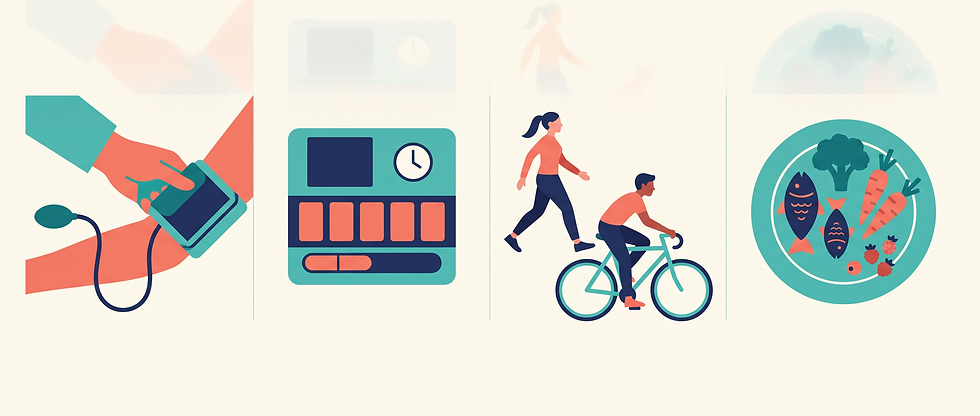
Hypertensive heart disease is treated with blood pressure medicines, care for related conditions and lifestyle changes, and early-stage hypertrophy can sometimes be reversed with aggressive blood pressure management.
Medical Interventions
Daily Medications: Providers typically prescribe a combination of ACE inhibitors, ARBs, diuretics, calcium channel blockers, or beta-blockers.
Managing Comorbidities: Treating related conditions like sleep apnea, obesity, and high cholesterol is essential for heart health.
Lifestyle Adjustments
Dietary Changes: Adopting a heart-healthy eating plan, such as the DASH diet, and consulting with a nutritionist.
Physical Activity: Engaging in regular cardiovascular exercise under the guidance of a physical therapist or doctor.
Substance Avoidance: Quitting tobacco and limiting alcohol intake.
What complications can hypertensive heart disease cause?
Untreated hypertensive heart disease can lead to life-threatening events such as heart failure, arrhythmias, sudden cardiac death, stroke and aortic aneurysm.
Heart Failure: The heart becomes too weak or stiff to pump enough blood for the body's needs.
Arrhythmias: Irregular heartbeats, such as atrial fibrillation.
Sudden Cardiac Death: A sudden loss of heart function.
Stroke: Caused by blood clots or burst vessels in the brain.
Aortic Aneurysm: A dangerous bulge in the body's main artery.
Frequently Asked Questions
Is hypertensive heart disease the same as high blood pressure?
No. High blood pressure (hypertension) is the cause, and hypertensive heart disease is the result: the actual damage done to the heart muscle and arteries due to that pressure.
Can I have this disease if I feel healthy?
Yes. High blood pressure is often asymptomatic. You can have significant heart thickening or early heart failure without feeling any different until the damage is advanced.
Can heart thickening be reversed?
In many cases, yes. If hypertensive heart disease is caught in its early stages, aggressive blood pressure management can sometimes reverse left ventricular hypertrophy.
Why is heart failure linked to high blood pressure?
Chronic pressure makes the heart muscle stiff. A stiff heart cannot fill with enough blood or pump it out effectively, leading to heart failure.
What is "ejection fraction"?
It is a measurement, usually taken during an echocardiogram, that shows what percentage of blood leaves your heart each time it contracts. A low score can indicate heart failure, although heart failure can also occur with a normal ejection fraction when the heart is stiff.
Does salt directly damage the heart?
Salt causes the body to retain water, which increases blood volume and pressure. This extra pressure is what eventually damages the heart muscle.
How often should I check my blood pressure?
If you have hypertension, your doctor may recommend checking it daily at home. Everyone over 18 should have it checked by a professional at least once a year.
Can I stop taking my meds if my blood pressure is normal?
No. Your blood pressure is likely normal because of the medication. Stopping abruptly can cause a dangerous "rebound" spike.
What is left ventricular hypertrophy (LVH)?
It is the thickening of the walls of the heart's left ventricle, which is the chamber responsible for pumping oxygenated blood to the rest of the body.
Can sleep apnea affect my heart?
Yes. Sleep apnea causes repeated drops in blood oxygen levels and increases blood pressure, which significantly strains the heart.
Is chest pain always a heart attack?
Not always, but in people with hypertensive heart disease, chest pain often indicates that the heart muscle isn't getting enough oxygenated blood.
What is the difference between a heart attack and heart failure?
A heart attack is a sudden blockage of blood flow to the heart muscle. Heart failure is a chronic condition where the heart doesn't pump blood as well as it should.
Can exercise be dangerous if I have this disease?
While exercise is generally good, intense exertion can be risky if your blood pressure is not controlled. Always consult your doctor before starting a new routine.
How does obesity impact the heart?
Extra body weight requires the heart to pump more blood, increasing the workload and the likelihood of developing high blood pressure and heart disease.
What are ACE inhibitors?
They are a class of medication that helps relax blood vessels by preventing the body from producing a chemical that narrows them.
Can alcohol cause hypertensive heart disease?
Excessive alcohol consumption raises blood pressure and can directly weaken the heart muscle, a condition known as cardiomyopathy.
What is diastolic dysfunction?
It is an early stage of heart disease where the heart muscle has become too stiff to relax properly between beats, even if it can still pump well.
Can a stroke be caused by high blood pressure?
Yes. High blood pressure can cause blood vessels in the brain to burst or lead to clots that block blood flow.
What is an arrhythmia?
It is an irregular heartbeat. Hypertensive heart disease can disrupt the heart's electrical system, leading to conditions like atrial fibrillation.
Is this disease more common in men?
Statistically, men are at higher risk for hypertensive heart disease, though the risk for women increases significantly after menopause.
Can I use a home blood pressure monitor?
Yes, and it is highly recommended for those with hypertension. Ensure your monitor is validated and bring it to your doctor's office to check its accuracy.
What is the DASH diet?
The Dietary Approaches to Stop Hypertension (DASH) diet focuses on fruits, vegetables, whole grains, and lean proteins while strictly limiting sodium.
Can stress cause this disease?
Chronic stress can contribute to high blood pressure, but the disease itself is caused by the physical strain of hypertension on the heart muscle.
What happens during end-stage hypertensive heart disease?
The heart becomes so weak or stiff that it can no longer meet the body's demands, leading to severe heart failure and a high risk of cardiac arrest.
Can I live a normal life with this condition?
Yes, with proper management. Many people live long, active lives by strictly following their medication and lifestyle plans.
What is a cardiac MRI?
It is a non-invasive imaging test that uses magnets and radio waves to create highly detailed pictures of the heart.
Why do my legs swell?
Swelling (edema) occurs when the heart isn't pumping effectively, causing fluid to back up in the veins and leak into the surrounding tissues.
Can tobacco use cause heart thickening?
Tobacco damages the lining of the arteries and raises blood pressure, both of which accelerate the progression of hypertensive heart disease.
What is the "silent killer"?
This is a common nickname for high blood pressure because it often causes no symptoms while slowly damaging the heart, brain, and kidneys.
How does diabetes affect hypertensive heart disease?
Diabetes damages blood vessels and increases the risk of atherosclerosis, making the heart's job even harder when combined with high blood pressure.
Can I drink coffee?
Caffeine can cause a temporary spike in blood pressure. Most people with hypertension can have moderate amounts, but check with your doctor.
What are beta-blockers?
These medications slow the heart rate and reduce the force of contraction, which lowers blood pressure and reduces the heart's workload.
Is 140/90 considered high?
Yes, this is typically the threshold for Stage 2 hypertension, which requires medical intervention to prevent heart damage.
Can I reverse heart failure?
While the damage may not be fully reversible, the symptoms and progression of heart failure can be significantly managed with treatment.
What is an aortic aneurysm?
It is a bulge in the aorta, the body's largest artery. High blood pressure can weaken the aortic wall, leading to a life-threatening rupture.
Can I fly on a plane with this disease?
Most people can, but the lower oxygen levels and pressure changes can affect the heart. Consult your doctor if you have advanced heart failure.
What is peripheral arterial disease (PAD)?
It is a condition where narrowed arteries reduce blood flow to the limbs, often caused by the same vascular damage as hypertensive heart disease.
How does aging affect the heart?
Arteries naturally become stiffer with age, which can lead to higher blood pressure and an increased risk of heart disease.
Can a nutritionist help?
Yes. A nutritionist can help you design a low-sodium, heart-healthy diet that is sustainable for your lifestyle.
What is an electrocardiogram (EKG)?
It is a simple test that records the electrical activity of your heart to check for rhythm problems or signs of previous damage.
Can high cholesterol worsen this disease?
Yes. Cholesterol builds up in arteries already damaged by high blood pressure, further restricting blood flow and increasing the risk of heart attack.
What are diuretics?
Commonly known as "water pills," these help the kidneys remove excess sodium and water from the body, which lowers blood volume and pressure.
Can I take over-the-counter decongestants?
Many decongestants contain stimulants that can dangerously raise blood pressure. Always check with a pharmacist if you have hypertension.
What is the "ejection fraction" of a healthy heart?
A normal ejection fraction is typically between 50% and 70%.
Can I have a heart transplant for this?
In very severe, end-stage cases of heart failure caused by this disease, a heart transplant or mechanical pump may be considered.
How does kidney disease relate to the heart?
The kidneys help regulate blood pressure. When they are damaged, blood pressure rises, which in turn causes more damage to both the heart and kidneys.
Can I still eat out at restaurants?
Yes, but you must be careful. Restaurant food is often very high in sodium. Ask for your meal to be prepared without added salt.
What is atrial fibrillation?
It is a common type of irregular heartbeat that increases the risk of blood clots and stroke, often triggered by heart damage from hypertension.
Can I reverse atherosclerosis?
While you can't fully "clean out" arteries, you can stop the progression and stabilize existing plaques through diet, exercise, and medication.
What is the most important thing I can do?
Take your blood pressure medication every single day as prescribed and monitor your numbers regularly.
References
Cleveland Clinic. Hypertensive Heart Disease. Cleveland Clinic. Accessed October 18, 2026. https://my.clevelandclinic.org/health/diseases/21840-hypertensive-heart-disease
Klingbeil AU, Schneider M, Martus P, et al. A meta-analysis of the effects of treatment on left ventricular mass in essential hypertension. Am J Med. 2003;115(1):41-46. PMID: 12867233. https://doi.org/10.1016/s0002-9343(03)00158-x00158-x)
Ettehad D, Emdin CA, Kiran A, et al. Blood pressure lowering for prevention of cardiovascular disease and death: a systematic review and meta-analysis. Lancet. 2016;387(10022):957-967. PMID: 26724178. https://doi.org/10.1016/S0140-6736(15)01225-801225-8)
SPRINT Research Group; Wright JT Jr, Williamson JD, Whelton PK, et al. A randomized trial of intensive versus standard blood-pressure control. N Engl J Med. 2015;373(22):2103-2116. PMID: 26551272. https://doi.org/10.1056/NEJMoa1511939
Medical disclaimer
This guide is for general information only and is not a substitute for professional medical advice, diagnosis, or treatment. Always seek the advice of a physician or other qualified health provider with any questions about a medical condition. Never disregard professional medical advice or delay seeking it because of something you have read here. If you are experiencing chest pain or severe shortness of breath, seek emergency medical attention immediately.


Comments