Understanding Hemodynamics: The Mechanics of Blood Flow

Updated: 2 days ago
Medically reviewed by Dr. Baraa Alnahhal, MD · Last reviewed: September 2026
TL;DR
Hemodynamics is the study of how blood moves through the circulatory system and the physical forces that govern this flow. By adjusting factors like vessel diameter and heart rate, the body ensures that oxygen and nutrients reach every tissue. Disruptions in these mechanics can lead to serious conditions, including high blood pressure, heart failure, or life-threatening shock.
Quick Answer
Hemodynamics refers to the physical principles governing blood flow through the arteries and veins. It involves a complex interplay between the heart's pumping force and the resistance provided by blood vessels. Proper hemodynamics are essential for delivering oxygenated blood to organs and returning deoxygenated blood to the lungs. Factors such as vessel size, heart rate, and cardiac output must remain balanced to maintain stable health and prevent cardiovascular strain.
The Essential Role of Hemodynamics in Human Health
Hemodynamics is a fundamental aspect of cardiovascular physiology, representing the continuous movement of blood throughout the body's vast network of vessels. This process is driven by the heart, which acts as a central pump, and is regulated by the structural properties of the arteries and veins. The primary objective of the hemodynamic system is to maintain a consistent supply of oxygen and nutrients to cells while efficiently removing metabolic waste products.
The pattern of blood flow is typically laminar, meaning it moves in a streamlined fashion with the highest velocity in the center of the vessel. However, at branches or within the heart chambers, flow can become turbulent. This turbulence requires significantly more energy to overcome, highlighting the efficiency of a healthy, unobstructed circulatory system. Understanding these mechanics is vital for recognizing how the body adapts to physical demands and how it responds to underlying health challenges.
Key Factors Influencing Blood Flow
Several physical and physiological variables determine the efficiency of hemodynamics. The body constantly monitors these factors, making rapid adjustments to ensure that organs receive adequate perfusion regardless of activity levels. For instance, during exercise, the heart rate and cardiac output increase to meet the heightened oxygen demands of muscle tissues.
Vessel Diameter: Wider vessels facilitate easier flow, while narrowing due to plaque increases resistance.
Friction: The contact between blood and vessel walls slows movement, especially in smaller vessels.
Pressure Gradient: The difference between the heart's pumping force and vascular resistance drives flow.
Cardiac Output: The total volume of blood the heart pumps per minute determines systemic supply.
Vessel Elasticity: The ability of arteries to expand and contract helps maintain consistent pressure.
Conditions and Clinical Indicators
When the mechanics of blood flow are compromised, the resulting hemodynamic instability can lead to significant health complications. Atherosclerosis, for example, creates "speed bumps" in the form of cholesterol plaques that disrupt laminar flow and can lead to total vessel blockage. Similarly, conditions like hypertension force the heart to work harder to overcome increased resistance, potentially leading to long-term cardiac weakening.
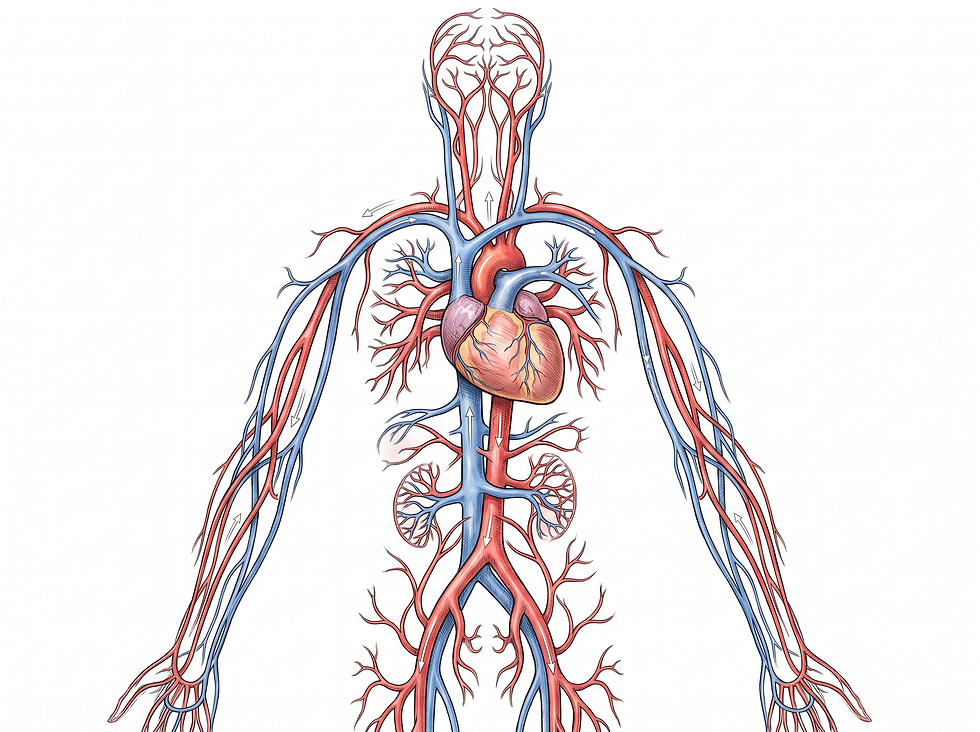
Hypertension: Increased resistance in the vessels, causing the heart to pump with excessive force.
Heart Failure: Weakened heart muscle results in decreased cardiac output and poor organ perfusion. Read our complete guide to heart failure.
Atherosclerosis: Plaque buildup narrows vessels and creates turbulent, inefficient blood flow.
Shock: A state of severe hemodynamic instability where the body cannot maintain adequate flow.
Recognizing Symptoms of Hemodynamic Issues
Problems with blood flow often manifest through physical symptoms that reflect the body's inability to deliver sufficient oxygen. Shortness of breath, dizziness, and persistent fatigue are common indicators that the cardiovascular system is struggling to maintain balance. In more severe cases, individuals may experience confusion, pale or cool skin, and abnormal heart rhythms, all of which necessitate immediate clinical evaluation.

Proactive Strategies for Vascular Health
Maintaining healthy hemodynamics involves a holistic approach to cardiovascular wellness. By managing blood pressure and cholesterol levels, individuals can reduce the resistance their heart must overcome and maintain the integrity of their vessel walls. Regular physical activity and a balanced diet are foundational to supporting the heart's pumping efficiency and ensuring the long-term stability of the circulatory system.

Conclusion
Hemodynamics serves as the mechanical foundation of human life, ensuring that every cell receives the resources it needs to function. By understanding the forces that govern blood flow, individuals and healthcare providers can better manage cardiovascular risks and address instabilities before they lead to systemic failure. Maintaining this delicate balance is essential for long-term vitality and the prevention of chronic heart and vascular diseases.
Take Action for Your Circulation
If you experience recurring symptoms such as dizziness, shortness of breath, or unusual fatigue, it is important to consult a healthcare professional. A comprehensive cardiovascular evaluation can identify hemodynamic imbalances and determine if lifestyle changes, medication, or surgical interventions are necessary to restore efficient blood flow and protect your overall health.
Frequently Asked Questions
What exactly is hemodynamics?
It is the study of blood flow through the body and the physical forces, such as pressure and resistance, that affect it.
Is hemodynamics the same as blood pressure?
No, blood pressure is only one factor of hemodynamics; others include vessel size, friction, and cardiac output.
What is laminar flow?
This is the normal, streamlined pattern of blood flow where blood moves fastest in the center of the vessel.
Why does turbulent flow matter?
Turbulent flow is inefficient and requires the heart to use more energy to move blood through the system.
How does exercise affect hemodynamics?
It increases heart rate and cardiac output to deliver more oxygen to active muscles.
What is hemodynamic instability?
This is a condition where the body cannot maintain enough blood flow to support organ function, often leading to shock.
What are the types of shock?
Common types include cardiogenic, hypovolemic, obstructive, distributive, and neurogenic shock.
How do doctors measure hemodynamics?
Tools include blood pressure cuffs, EKGs, echocardiograms, and more invasive methods like cardiac catheterization.
What role does vessel diameter play?
Larger vessels allow blood to flow more easily, while narrowed vessels increase resistance and blood pressure.
Can plaque affect blood flow?
Yes, cholesterol plaques act as obstacles that disrupt flow and can eventually block an artery.
What is cardiac output?
It is the amount of blood your heart pumps out with each beat, which adjusts based on your body's needs.
Why is high blood pressure dangerous for hemodynamics?
It forces the heart to work harder to push blood against increased resistance in the vessels.
What are common symptoms of flow issues?
Symptoms include shortness of breath, fainting, dizziness, tiredness, and cool or pale skin.
How can heart failure affect flow?
A weak heart cannot pump enough blood, leading to poor oxygen delivery to tissues and organs.
What treatments improve hemodynamics?
Depending on the cause, doctors may use medications to relax vessels or surgery to repair heart valves or clear blockages.
Medical Disclaimer: The information provided in this article is for educational purposes only and should not be considered medical advice. Always consult with a qualified healthcare provider for diagnosis and treatment of any health condition.
Comments