Understanding Cervical Mucus: A Guide to Fertility and Health

Updated: 2 days ago
Medically reviewed by Dr. Baraa Alnahhal, MD · Last reviewed: September 2026
TL;DR
Cervical mucus is a specialized fluid produced by the cervix that changes in consistency throughout the menstrual cycle. By tracking these changes—from dry and sticky to slippery and egg-white-like—individuals can identify their most fertile days and monitor their overall reproductive health.
Quick Answer
Cervical mucus is a fluid produced by the cervix that serves two primary roles: facilitating sperm movement during fertile windows and acting as a protective barrier during non-fertile phases. Its texture shifts from dry or pasty after a period to a stretchy, raw egg-white consistency during ovulation, which is the most fertile time. Tracking these stages helps identify the peak window for conception, typically lasting three to four days. Changes in mucus are driven by shifting levels of estrogen and progesterone throughout the menstrual cycle.
Cervical mucus, also known as cervical fluid, is an essential component of the female reproductive system. Produced by the cervix, this fluid undergoes significant changes in appearance and texture as hormones fluctuate during the menstrual cycle. Understanding these shifts is a powerful tool for those looking to conceive or simply monitor their internal health.
The Two Roles of Cervical Mucus
The primary function of cervical mucus depends entirely on where a person is in their menstrual cycle. During the most fertile window, the mucus becomes thin and slippery, acting as a medium that allows sperm to swim efficiently toward the fallopian tubes. Conversely, during non-fertile times, the mucus thickens to form a protective barrier, preventing sperm and other substances from entering the uterus.
Role | Primary Purpose | Timing |
|---|---|---|
Fertility Facilitator | Helps sperm move through the cervix to fertilize an egg. | Around Ovulation |
Protective Barrier | Blocks sperm and external substances from entering the cervix. | Non-fertile Phases |
Tracking the Stages of the Menstrual Cycle
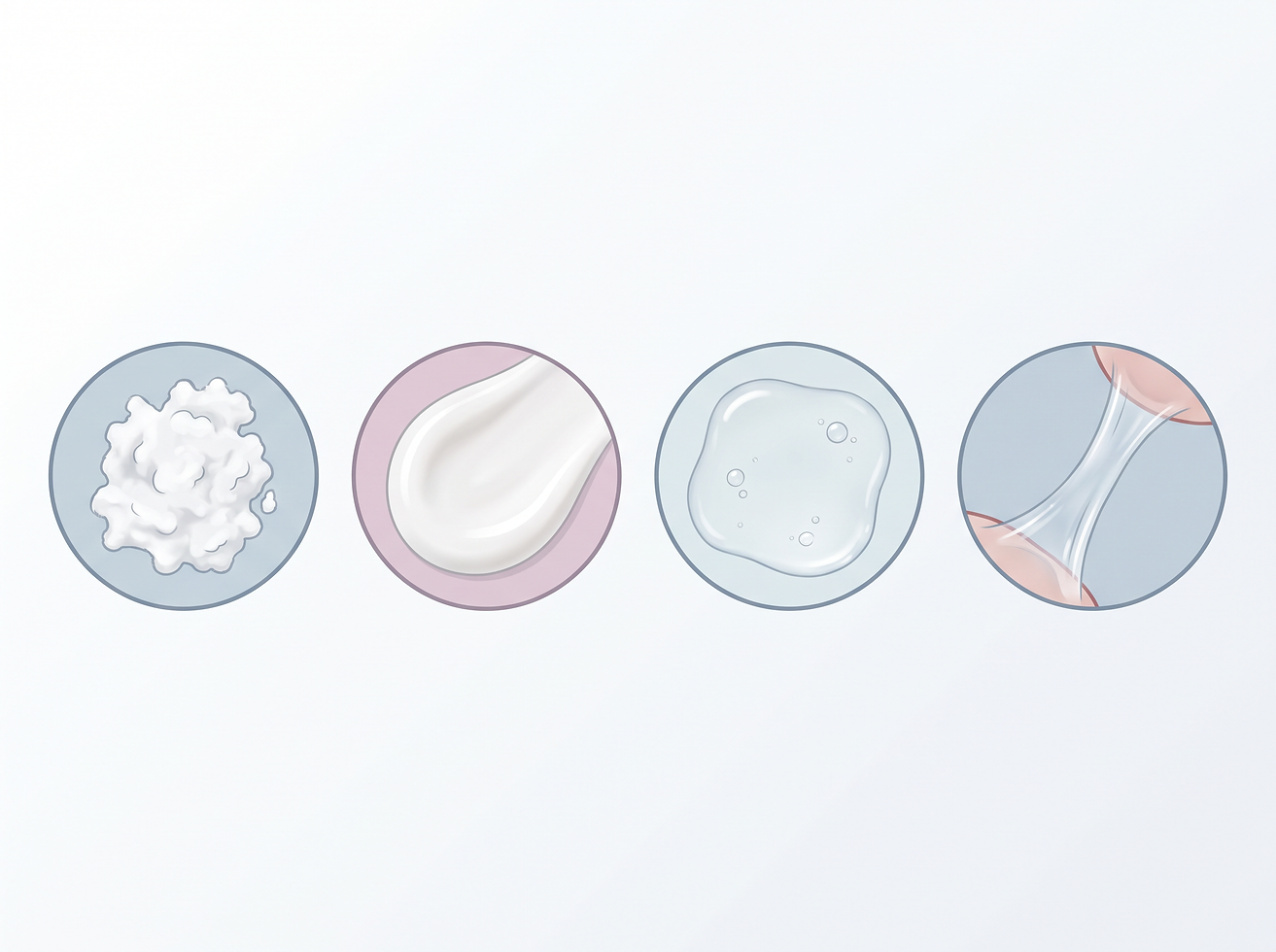
For a typical 28-day cycle, cervical mucus follows a predictable pattern. Immediately following a period, the discharge is often dry or tacky. As estrogen levels rise toward the middle of the cycle, the mucus transitions through sticky and creamy textures before reaching its most fertile state: a stretchy, slippery consistency that resembles raw egg whites.
Cycle Days (Approx.) | Mucus Features | Consistency |
|---|---|---|
Days 1 to 4 | Post-period; dry or tacky. | White or yellow-tinged |
Days 4 to 6 | Sticky; slightly damp. | White |
Days 7 to 9 | Creamy; wet and cloudy. | Yogurt-like |
Days 10 to 14 | Stretchy; very wet and slippery. | Raw egg whites |
Days 15 to 28 | Dry or almost dry. | Thickening until period |
If your cycle is irregular or you are not seeing an ovulatory pattern in your mucus at all, our guide to anovulation explains why ovulation can be skipped and how treatment can restore it.
Hormonal Influence on Mucus Changes
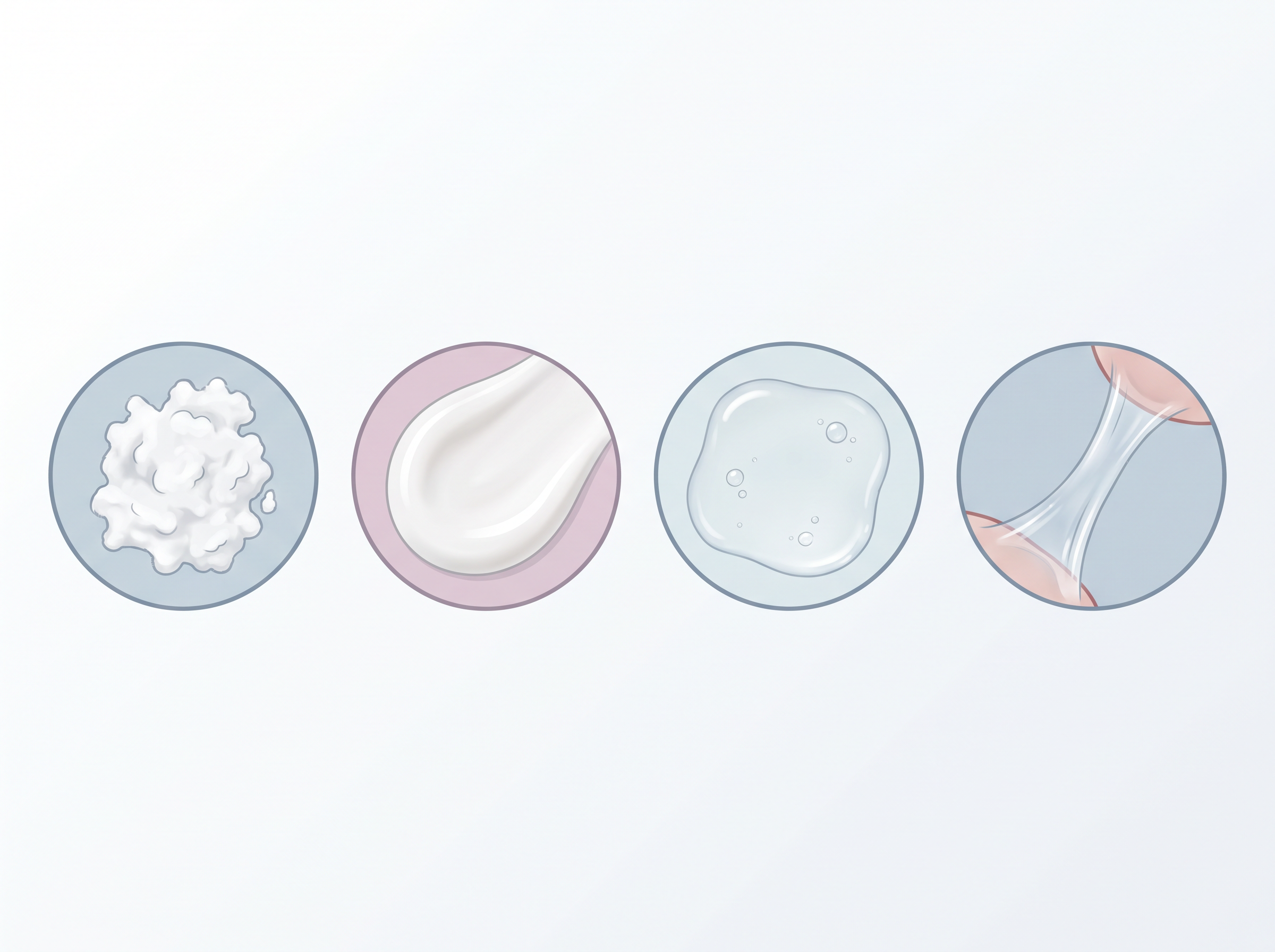
The shifts in cervical fluid are driven by the delicate balance of estrogen and progesterone. Estrogen levels peak just before ovulation, stimulating the production of fertile, egg-white mucus to aid conception. After ovulation occurs, estrogen drops and progesterone rises, which causes the mucus to dry up and thicken. This transition is a natural indicator that the fertile window has closed.
When to Consult a Professional
While variations in cervical mucus are normal, certain changes can indicate an underlying issue. Healthy mucus is generally odorless and ranges from white to clear. If discharge becomes foul-smelling, it may be a sign of an infection such as a yeast infection, bacterial vaginosis, or a sexually transmitted infection (STI). Additionally, factors like breastfeeding, birth control, and irregular bleeding can influence the consistency of cervical fluid.

Conclusion
Cervical mucus is a dynamic and reliable indicator of a person's reproductive cycle. By paying attention to the daily changes in texture and volume, individuals can gain deeper insights into their fertility and overall hormonal health. Whether used for family planning or general wellness, understanding these natural signals is an empowering aspect of reproductive care.
Next Steps for Health
If you are tracking for fertility, focus on the three to four days when your mucus is at its most slippery and stretchy. For those noticing unusual odors or persistent irritation, seek a consultation with a healthcare provider to rule out infections. Maintaining a daily chart can help you identify your unique patterns and provide valuable data for your medical team.
If you have been trying to conceive for a while without success, see our overview of female infertility causes, signs and treatment options.
Frequently Asked Questions
What is cervical mucus?
It is a fluid produced by the cervix that changes throughout the menstrual cycle to support or block sperm.
What does fertile cervical mucus look like?
It is clear, slippery, and stretchy, resembling raw egg whites.
How long does fertile mucus last?
It typically lasts for about three to four days around the time of ovulation.
Why does cervical mucus change?
Changes are caused by shifting levels of hormones, specifically estrogen and progesterone.
What does it mean if my mucus is dry or sticky?
This usually occurs immediately after a period or after ovulation, indicating a non-fertile phase.
Can I track cervical mucus to get pregnant?
Yes, charting these changes helps identify the peak fertile window for conception.
What color should healthy cervical mucus be?
It is generally clear, white, or off-white.
Is it normal for cervical mucus to have an odor?
It is typically odorless. A foul smell may indicate an infection.
What factors can change my cervical mucus?
Breastfeeding, birth control, infections, and irregular bleeding can all affect its consistency.
What happens to mucus after ovulation?
Progesterone levels rise, causing the mucus to dry up and become thick again.
How does estrogen affect mucus?
High estrogen levels before ovulation make the mucus thin, wet, and fertile.
Is creamy mucus fertile?
Creamy mucus indicates increasing fertility but is not as fertile as the egg-white texture.
Can infections affect cervical fluid?
Yes, yeast infections, bacterial vaginosis, and STIs can change the color and smell of discharge. Cervical inflammation is covered in our guide to cervicitis.
How do I check my cervical mucus?
You can check it by wiping with toilet paper or using a clean finger to observe the texture.
What is the difference between cervical mucus and arousal fluid?
Cervical mucus is cycle-dependent and produced by the cervix, while arousal fluid is produced by glands near the vaginal opening during excitement.
Related Reading
Medical Disclaimer
This article is for informational purposes only and does not constitute medical advice. Consult a healthcare professional for diagnosis and treatment.
Comments