Questions to Ask Your Doctor: A Printable Checklist

Medically reviewed by Dr. Baraa Alnahhal, MD · Last reviewed: October 2026
Quick Answer
The best questions to ask your doctor cover five things: what is wrong, what tests you need, what treatment options you have, how to take your medicines safely, and what happens next. Write your questions down before the visit, bring a list of every medicine you take, and repeat the plan back to your doctor before you leave.
Before: write down your symptoms, questions, and all your medicines
During: ask about your diagnosis, tests, treatment options, and side effects
Before you leave: repeat the plan back and ask what warning signs to watch for
After: follow the plan, get your test results, and call if anything is unclear
Why Do Questions Matter So Much?
A doctor's visit is often short, and it's easy to forget what you wanted to ask. Clear questions help you understand your health, avoid medicine mistakes, and make decisions you are comfortable with.
The U.S. Agency for Healthcare Research and Quality (AHRQ) encourages patients to take an active role by asking questions. You are not being difficult by asking. Good doctors want you to understand your care.
How Should You Prepare Before Your Appointment?
Write down your main concern. Put the most important problem first, in case time runs short.
Describe your symptoms. Note when they started, how often they happen, what makes them better or worse, and how they affect your daily life.
List all your medicines. Include prescription medicines, non-prescription medicines such as aspirin or antacids, vitamins, and supplements. Or bring them all in a bag.
Know your health history. Include past illnesses, surgeries, allergies, and major illnesses in your parents or siblings.
Bring a notebook or a trusted person. A family member or friend can help you listen and take notes.
Questions to Ask About Your Diagnosis
What do you think is causing my symptoms?
How sure are you about this diagnosis? What else could it be?
Is this condition short-term or long-term?
Can you spell the name of the condition so I can read about it later?
Where can I find reliable information about it?
Questions to Ask About Tests
What is the test for?
How do I prepare for it? Do I need to stop eating or stop any medicines?
Are there any risks?
When will I get the results, and who will explain them to me?
What happens if the results are abnormal?
Questions to Ask About Treatment
Why do I need this treatment?
Are there any alternatives, including waiting and watching?
What are the possible complications or side effects?
How long before I should feel better?
What happens if I don't get treated?
How many times have you done this procedure? (for surgery or procedures)
Which hospital is best for my needs?
Questions to Ask About Medicines
How do you spell the name of this drug?
What is it for, and how do I take it? With food or on an empty stomach?
Are there any side effects I should watch for?
Will this medicine interact with medicines I'm already taking?
What should I do if I miss a dose?
How long will I need to take it?
Tell your doctor if you are pregnant, breastfeeding, or have any medicine allergies before you get a new prescription.
Questions to Ask Before You Leave
What are the most important things I need to do?
What warning signs mean I should call you or go to the emergency room?
When should I come back for a follow-up?
What is the best way to reach you if I have questions?
A simple trick: repeat the plan back in your own words. For example, "So I take one tablet every morning with breakfast, and I call you if I get dizzy." This helps catch misunderstandings before you leave.
What Should You Do After the Visit?
Follow your doctor's instructions.
Get any tests or specialist visits you were referred for, and follow up on the results. Don't assume no news is good news.
Don't stop a prescribed medicine without talking to your doctor or pharmacist first.
Call your doctor if your symptoms get worse or you have trouble following the plan.
Your Printable Checklist
Print this page or save it on your phone, and tick each item before your visit:
My main concern, written first
My symptoms: when they started, how often, what helps or makes them worse
A list of all my medicines, vitamins, and supplements
My allergies and past surgeries
My top 3 questions
A notebook, or a person to come with me
Condition-Specific Question Lists on Rinnit
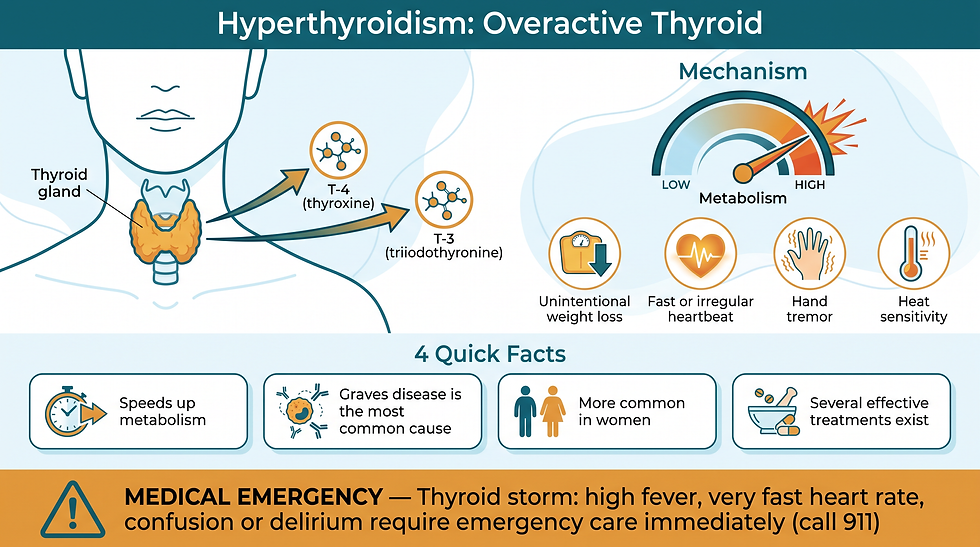
Many Rinnit guides end with a "Questions to Bring to Your Doctor" section for that condition. For example:
Frequently Asked Questions
How many questions should I bring to a doctor's appointment?
Bring as many as you need, but put your top 3 at the start of your list. If you run out of time, ask how you can get the rest answered, such as a follow-up visit or a call.
Is it okay to record my doctor's instructions?
Many doctors are fine with this, but always ask first. Taking written notes or bringing a companion also works well.
What if I don't understand my doctor's answer?
Say so. Ask your doctor to explain it in simpler words or to draw a picture. It's their job to make sure you understand.
Should I bring my medicines to the appointment?
Yes, or bring a complete list. Include non-prescription medicines, vitamins, and supplements, because they can interact with new prescriptions.
References
This article is for general informational purposes only and is not a substitute for professional medical advice, diagnosis, or treatment. Always follow the advice of your own healthcare provider.

Comments