Primary Ovarian Insufficiency: Symptoms, Causes, and Management

Updated: 2 days ago
Medically reviewed by Dr. Baraa Alnahhal, MD · Last reviewed: September 2026
Primary ovarian insufficiency (POI) occurs when ovaries stop functioning normally before age 40. While it often leads to infertility and menopause-like symptoms due to low estrogen, it differs from premature menopause because intermittent ovulation is still possible. Management focuses on hormone replacement therapy to alleviate symptoms and protect long-term heart and bone health.
Quick answer: Primary ovarian insufficiency (POI) is a rare condition affecting approximately 1% of women where the ovaries cease normal function before the age of 40. This leads to irregular periods, low estrogen levels, and potential infertility. Unlike menopause, ovarian function can be intermittent, meaning pregnancy may still occur in some cases. Treatment primarily involves hormone replacement therapy to manage symptoms like hot flashes and to reduce risks for osteoporosis and heart disease.
Primary ovarian insufficiency (POI), previously referred to as premature ovarian failure, is a clinical condition characterized by the cessation of normal ovarian function in individuals under the age of 40. The ovaries, which are responsible for releasing eggs and producing essential hormones like estrogen and progesterone, begin to fail much earlier than the average age of menopause, which is typically around 51. This early decline in hormonal activity can lead to a variety of physical and emotional challenges, ranging from irregular menstrual cycles to significant impacts on fertility.
While the term "failure" was once common, healthcare providers now prefer "insufficiency" because research indicates that ovarian function can be intermittent. Approximately 5% to 10% of individuals diagnosed with POI may experience spontaneous ovulation and pregnancy without medical intervention. However, for most, the condition is permanent and requires proactive medical management to address the systemic effects of low estrogen.
Clinical Characteristics of POI
The presentation of POI varies significantly among individuals. Some may experience a sudden cessation of their menstrual periods, while others notice a gradual shift toward irregular cycles over several months or years. Because estrogen plays a vital role in many bodily functions, its depletion often triggers symptoms similar to those experienced during menopause.
Feature | Description |
Typical Age of Onset | Before age 40 (most common after age 30) |
Prevalence | Approximately 1% of women aged 15 to 44 |
Primary Hormonal Change | Significantly low estrogen levels |
Menstrual Impact | Irregular or completely absent periods |
Fertility Status | Reduced fertility; spontaneous pregnancy possible in 5-10% of cases |
Common Symptoms and Indicators
The most frequent indicator of POI is a change in the menstrual cycle, such as missed or infrequent periods. However, the systemic impact of low estrogen can lead to a range of other physical and cognitive symptoms.
Vasomotor Symptoms: Hot flashes and night sweats are common as the body adjusts to lower hormone levels.
Physical Changes: Individuals may experience vaginal dryness, which can lead to painful intercourse, as well as dry eyes.
Emotional and Cognitive Effects: Irritability, difficulty concentrating, and mood changes are frequently reported.
Sexual Health: A noticeable decrease in sex drive is a common side effect of the hormonal shift.

Causes and Risk Factors
In the majority of cases, the exact cause of primary ovarian insufficiency remains unknown, a status referred to as idiopathic POI. However, several factors have been identified that can trigger or contribute to the early decline of ovarian function.
Research suggests that up to one-third of cases may have a hereditary component, indicating a strong genetic link. Specific genetic disorders, such as Turner syndrome or Fragile X syndrome (involving the FMR1 gene), are known causes. Autoimmune disorders, including Addison disease, thyroid disease, and rheumatoid arthritis, can also lead to the body attacking its own ovarian tissue.
External factors such as cancer treatments—specifically chemotherapy and radiation—can damage the ovaries. Surgical procedures like a hysterectomy or infections such as mumps and HIV are also linked to the condition. Environmental exposure to toxins, including cigarette smoke, pesticides, and certain chemicals, may further increase the risk.
Diagnostic Procedures
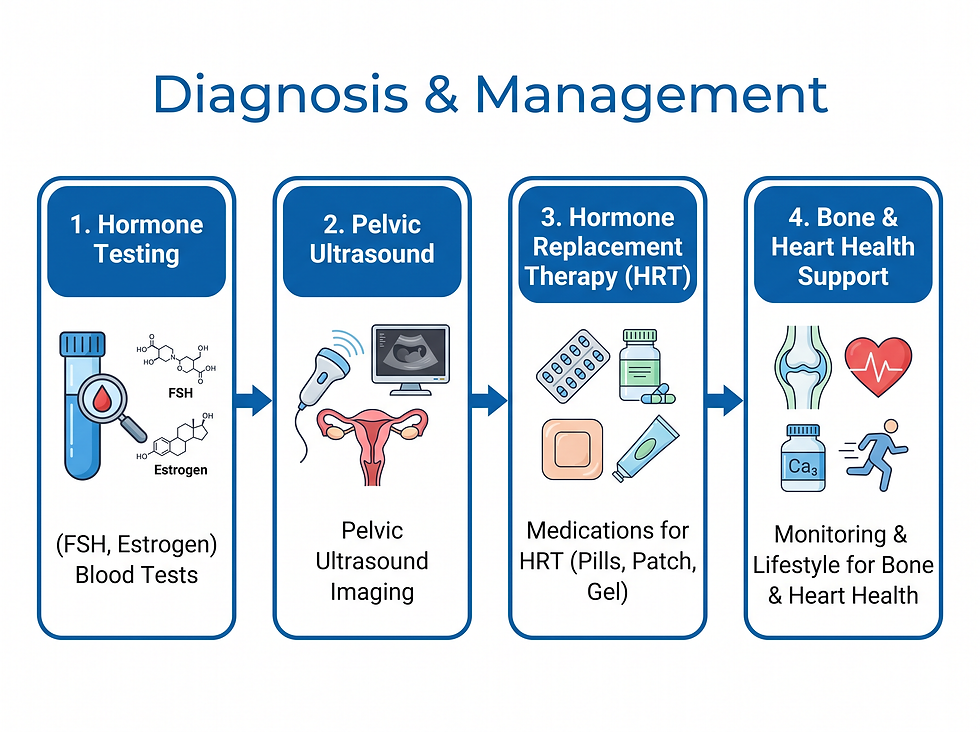
Diagnosing POI involves a comprehensive evaluation by a healthcare provider. The process typically begins with a detailed medical history and a physical examination, including a pelvic exam. Providers look for a combination of age (under 40), menstrual irregularities, and specific hormonal markers.
Diagnostic Test | Purpose |
Blood Hormone Tests | Measures FSH, estrogen, and prolactin levels |
Karyotype Testing | Screens for genetic disorders like Turner syndrome |
Pelvic Ultrasound | Visualizes the ovaries and uterus for structural changes |
Antibody Testing | Checks for underlying autoimmune conditions |
Pregnancy Test | Rules out pregnancy as a cause for missed periods |
Management and Treatment Strategies
While POI is generally not reversible, effective management strategies can alleviate symptoms and protect long-term health. The primary goal of treatment is to replace the hormones that the ovaries are no longer producing at sufficient levels.
Hormone Replacement Therapy (HRT)
Hormone therapy is the cornerstone of POI management. By providing the body with estrogen (and often progesterone), HRT helps reduce bothersome symptoms like hot flashes and vaginal dryness. More importantly, it significantly lowers the risk of long-term complications such as osteoporosis and heart disease. Treatment typically continues until the individual reaches the average age of natural menopause, around age 51 or 52.
Supporting Bone and Heart Health
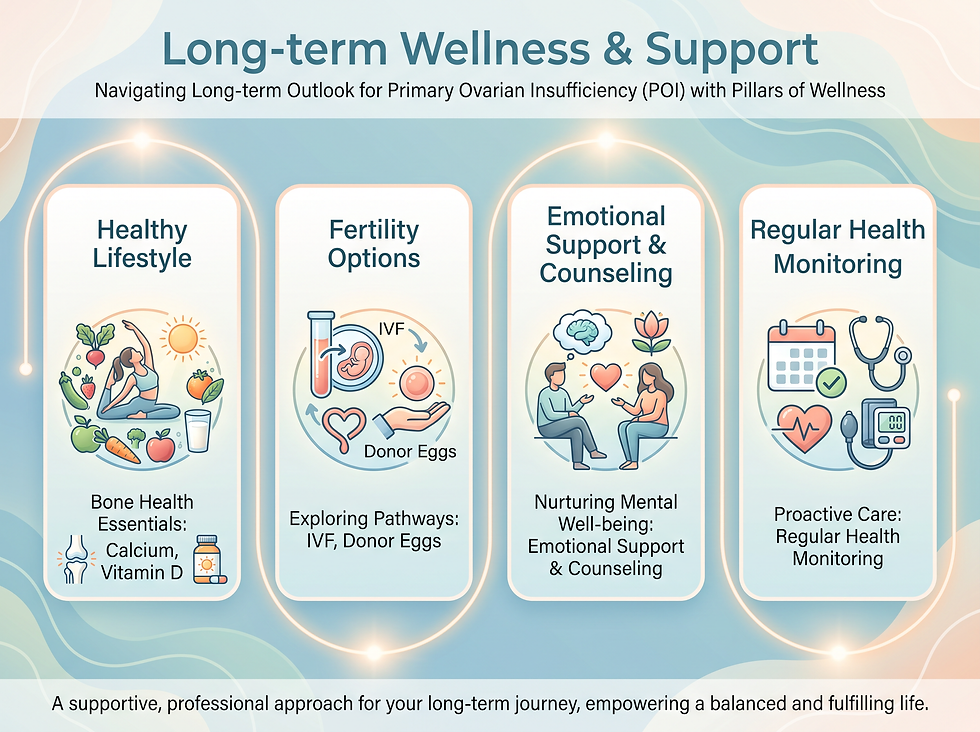
Because low estrogen levels accelerate bone loss, individuals with POI are encouraged to take calcium and vitamin D supplements. Regular weight-bearing exercise and maintaining a healthy weight are also critical for preserving bone density and cardiovascular health.
Fertility and Family Planning
For those wishing to conceive, options such as donor eggs, in vitro fertilization (IVF), or specific fertility medications may be explored. Conversely, because intermittent ovulation can still occur, those who do not wish to become pregnant must continue using effective birth control.
Conclusion
Primary ovarian insufficiency is a complex condition that requires ongoing medical attention and emotional support. While the diagnosis can be challenging, particularly regarding fertility, modern hormone therapies and lifestyle interventions allow individuals to manage their symptoms effectively and maintain their long-term health. Early diagnosis and a collaborative approach with healthcare providers are essential for navigating the physical and emotional aspects of the condition.
When to See a Doctor
If you are under age 40 and experiencing irregular or missed periods, or if you have concerns about early menopause symptoms, consult a healthcare provider for a comprehensive hormonal evaluation. Early intervention can help protect your bone and heart health and provide clarity on your reproductive options.
Frequently Asked Questions
Is primary ovarian insufficiency the same as early menopause?
No. In menopause, periods stop permanently and ovaries stop releasing eggs. In POI, ovarian function can be intermittent, and pregnancy is still possible.
Can I still get pregnant if I have POI?
Yes, approximately 5% to 10% of individuals with POI experience spontaneous pregnancy without infertility treatment.
What is the most common sign of POI?
The most frequent indicator is irregular or missed menstrual periods.
Why is it now called "insufficiency" instead of "failure"?
Providers prefer "insufficiency" because it reflects that the ovaries may still function occasionally, rather than having failed completely.
How common is this condition?
It is relatively rare, affecting about 1% of women between the ages of 15 and 44.
Does POI affect my sex drive?
Yes, the drop in estrogen levels can lead to a decreased sex drive and vaginal dryness.
What are the long-term health risks of POI?
The primary risks include osteoporosis (bone thinning), heart disease, and hypothyroidism.
Is POI hereditary?
Up to one-third of cases may have a hereditary component, though many cases are idiopathic (unknown cause).
How long do I need to stay on hormone therapy?
Most providers recommend continuing hormone therapy until the average age of natural menopause, around 51 or 52.
Can stress cause primary ovarian insufficiency?
While stress affects the menstrual cycle, it is not a primary cause of POI; causes are typically genetic, autoimmune, or medical.
Do I need birth control if I have POI?
Yes, if you do not wish to get pregnant, birth control is necessary because ovulation can still occur unexpectedly.
Can chemotherapy cause POI?
Yes, cancer treatments like chemotherapy and radiation are known causes of ovarian damage leading to POI.
How is POI diagnosed?
Diagnosis is based on being under age 40, having irregular periods, and blood tests showing menopausal hormone levels.
What lifestyle changes help with POI?
Regular weight-bearing exercise, a healthy diet, and taking calcium and vitamin D supplements are highly beneficial.
Does POI affect my mood?
Yes, hormonal shifts can lead to irritability, anxiety, depression, and difficulty concentrating.
Related Reading and Resources
Medical Disclaimer: This content is for informational purposes only and does not constitute medical advice. Always seek the advice of a qualified healthcare professional regarding any medical condition or treatment.
Comments