Pneumonitis: Complete Guide to Symptoms, Causes, and Treatment

Updated: 2 days ago
Medically reviewed by Dr. Baraa Alnahhal, MD · Last reviewed: September 2026
Pneumonitis: Complete Guide to Symptoms, Causes, and Treatment
TL;DR
Pneumonitis is inflammation of lung tissue that is not caused by an infection, distinguishing it from pneumonia. Common triggers include inhaled irritants (like molds, birds, or chemicals), certain medications, and radiation therapy. Treatment typically involves avoiding the trigger and, when needed, corticosteroids to reduce inflammation.
Quick Answer
Pneumonitis is inflammation of lung tissue caused by something other than infection, such as inhaled irritants, certain medications, or radiation therapy. Unlike pneumonia, which is caused by bacteria, viruses, or fungi, pneumonitis results from the body's immune or inflammatory reaction to a trigger. Treatment focuses on identifying and avoiding the cause, along with corticosteroids or other anti-inflammatory medications when needed.
What Is Pneumonitis?
Pneumonitis is a general term for inflammation of lung tissue. Unlike pneumonia, which is caused by an infection from bacteria, viruses, or fungi, pneumonitis is not caused by an infectious agent.
Instead, pneumonitis results from the lungs reacting to an irritant or trigger, such as inhaled substances, medications, or radiation. Over time, if the underlying cause is not identified and addressed, pneumonitis can lead to permanent lung scarring (pulmonary fibrosis).
What Are the Symptoms of Pneumonitis?
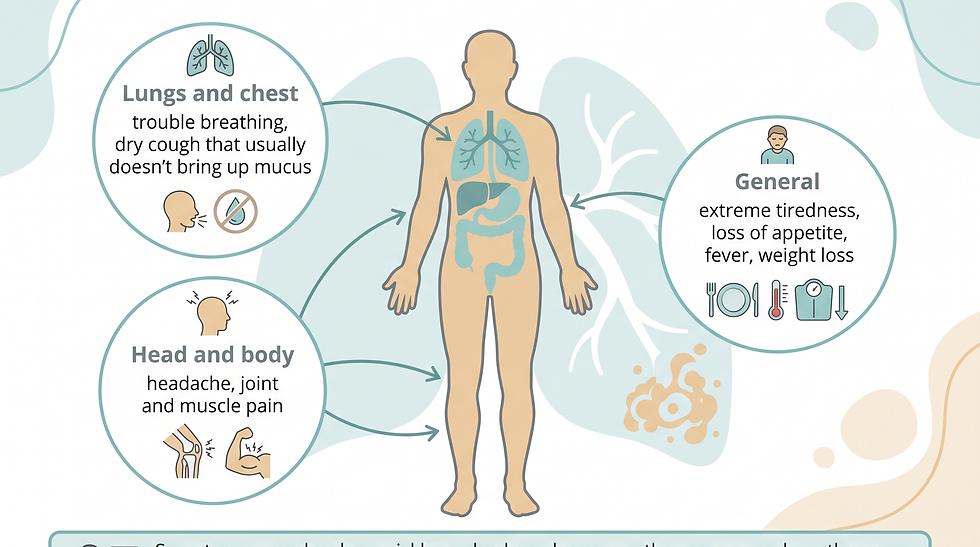
Symptoms of pneumonitis can develop suddenly or gradually, depending on the cause and how long you've been exposed to the trigger.
Common symptoms include shortness of breath, a dry cough, fatigue, unintended weight loss, and a general feeling of being unwell. In severe or chronic cases, symptoms may worsen over time, leading to significant breathing difficulty.
What Causes Pneumonitis?
Pneumonitis can be triggered by a variety of factors that cause lung inflammation without infection.
| Type | Description | |---|---| | Hypersensitivity pneumonitis | An allergic reaction in the lungs to inhaled organic dusts, molds, or chemicals | | Drug-induced pneumonitis | Certain medications, including some chemotherapy drugs and antibiotics, can cause lung inflammation as a side effect | | Radiation-induced pneumonitis | Can occur after radiation therapy to the chest, such as for breast or lung cancer treatment |
Triggers of Hypersensitivity Pneumonitis
Hypersensitivity pneumonitis is often caused by repeated exposure to specific environmental triggers.
| Trigger | Common Source | |---|---| | Molds | Found in humidifiers, hot tubs, or damp buildings | | Bird proteins | From feathers or droppings (bird fancier's lung) | | Dust | Including grain dust or sugarcane dust | | Chemicals | Certain industrial chemicals used in manufacturing | | Animal fur | Proteins found in fur or dander |

Who Is at Risk for Pneumonitis?
Certain factors can increase your risk of developing pneumonitis, including occupational exposure to dust, molds, or chemicals, undergoing radiation therapy for chest-related cancers, taking medications known to cause lung inflammation, and having pet birds or working in environments with mold exposure.
What Are the Complications of Pneumonitis?
If pneumonitis is not identified and treated promptly, it can lead to pulmonary fibrosis, which is permanent scarring of the lung tissue. This scarring can cause long-term breathing difficulties and reduced lung function that may not improve even after the trigger is removed.
When Should You See a Doctor?
See a doctor if you experience persistent shortness of breath, a dry cough that doesn't go away, unexplained fatigue, or unintended weight loss. If you have known exposure to a potential trigger, such as mold, birds, or certain medications, and develop respiratory symptoms, it's important to seek medical evaluation promptly.
How Is Pneumonitis Diagnosed?
Diagnosing pneumonitis involves identifying lung inflammation and ruling out infectious causes like pneumonia.
Your healthcare provider may order blood tests to check for markers of inflammation or specific antibodies, a chest X-ray to look for patterns of lung inflammation, a CT scan for more detailed imaging of lung tissue, spirometry to measure lung function, a lung volume test to assess how much air your lungs can hold, a lung diffusion test to see how well oxygen passes into your blood, pulse oximetry to measure blood oxygen levels, bronchoscopy to examine your airways and collect samples, and surgical lung biopsy in some cases to confirm the diagnosis.
How Is Pneumonitis Treated?
Treatment for pneumonitis depends on the underlying cause.
For hypersensitivity pneumonitis, the most important step is avoiding the trigger that caused the reaction. Additional treatment may include corticosteroids to reduce inflammation, immune-suppressing medications in chronic cases, and inhaled corticosteroids or bronchodilators to help manage symptoms.
For drug-induced and radiation-induced pneumonitis, treatment often involves corticosteroids to reduce inflammation, along with stopping or changing the medication responsible, if applicable.
In severe cases, additional treatments such as oxygen therapy, pulmonary rehabilitation, or, rarely, lung transplant may be necessary.
Lifestyle and Home Remedies
If you have pneumonitis, avoiding further exposure to the identified trigger is essential for recovery and preventing recurrence. This may involve using air purifiers, avoiding damp environments, or making changes to your home or work environment. Getting adequate rest and following your treatment plan can also support lung healing.
Conclusion
Pneumonitis is a lung condition distinct from infectious pneumonia, caused by the body's inflammatory response to irritants, medications, or radiation. Early identification of the trigger and appropriate treatment are key to preventing long-term lung damage.
If you suspect you have pneumonitis, particularly if you have a known exposure to a potential trigger, seek medical evaluation to receive an accurate diagnosis and begin treatment.
Frequently Asked Questions
What is pneumonitis?
Pneumonitis is inflammation of lung tissue that is not caused by an infection, unlike pneumonia.
What is the difference between pneumonitis and pneumonia?
Pneumonia is caused by an infection from bacteria, viruses, or fungi, while pneumonitis is caused by non-infectious triggers like irritants, medications, or radiation.
What causes pneumonitis?
Common causes include hypersensitivity reactions to molds, birds, or dust, certain medications, and radiation therapy to the chest.
How is pneumonitis treated?
Treatment involves avoiding the trigger and may include corticosteroids or other anti-inflammatory medications.
Can pneumonitis be cured?
If caught early and the trigger is removed, pneumonitis often improves significantly. However, if left untreated, it can lead to permanent lung scarring.
What is hypersensitivity pneumonitis?
It's a type of pneumonitis caused by an allergic reaction in the lungs to repeatedly inhaled substances, such as molds, bird proteins, or dust.
Is pneumonitis contagious?
No, pneumonitis is not contagious since it's not caused by an infection.
Can pneumonitis lead to permanent lung damage?
Yes, if not identified and treated, chronic pneumonitis can lead to pulmonary fibrosis, or permanent lung scarring.
Further Reading
Editorial note: This article is for educational purposes only and does not replace professional medical advice. Always consult a qualified healthcare professional for diagnosis and treatment decisions. Content based on current clinical guidance and published medical sources; reviewed August 2026.
Health information, not medical advice. This article is for general education and is not a substitute for professional diagnosis or treatment. Always consult a qualified healthcare provider about your own health, and seek emergency care for urgent symptoms.
Comments