Overeating: Understanding Why We Eat Past Fullness

Updated: 20 minutes ago
Medically reviewed by Dr. Baraa Alnahhal, MD · Last reviewed: September 2026
TL;DR
Overeating is the act of consuming food past the point of fullness, often driven by hormonal responses to stress or environmental triggers. While occasional overeating at social gatherings is common, chronic overeating can disrupt the body's hunger regulation, lead to weight gain, and increase the risk of eating disorders. Symptoms include bloating, indigestion, and fatigue. Management involves gentle movement and hydration, while prevention focuses on mindful eating and stress management.
Quick Answer: What Is Overeating?
Overeating is eating even when you are not hungry or continuing to eat after you feel full. It is a common biological response, often triggered by the hormone cortisol, which increases during stress and causes cravings for foods high in fat, sugar, or salt. While it is not the same as binge eating disorder, habitual overeating can lead to significant health complications, including obesity and digestive issues.
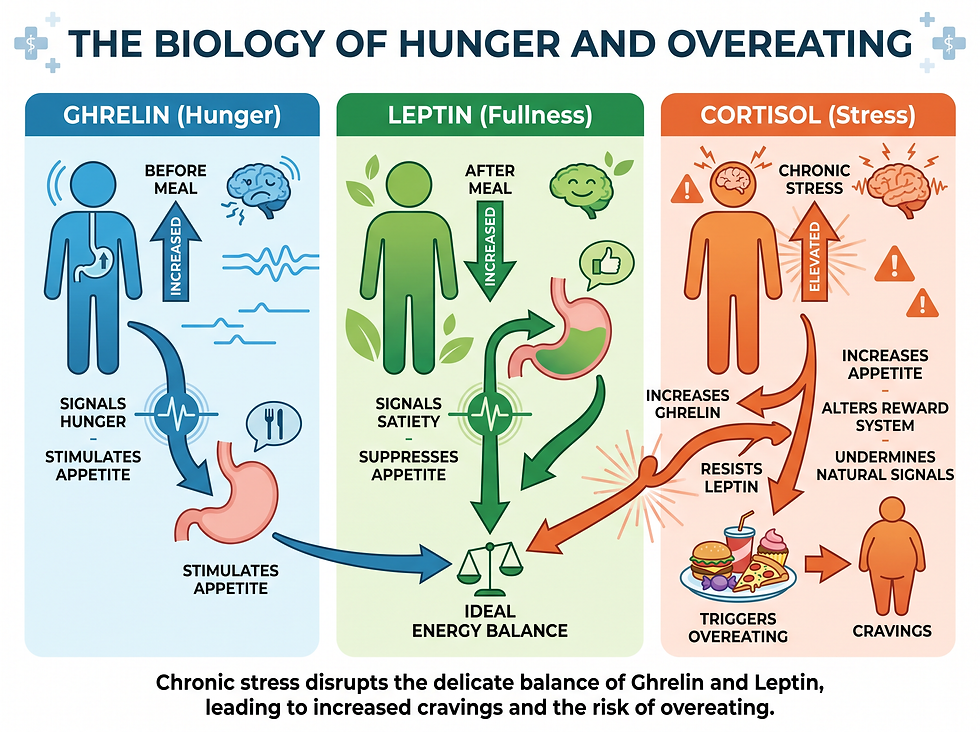
The body typically regulates hunger through two key hormones: ghrelin, which signals hunger, and leptin, which signals fullness. Overeating overrides these signals, disrupting the natural balance and causing the body to eat for pleasure (hedonic hunger) rather than for energy. Common symptoms include stomach pain, acid reflux, and a "sluggish" feeling known as a food coma. Fortunately, occasional overeating can be managed with light exercise and hydration, and long-term habits can be corrected through mindful eating practices and stress reduction.
Symptoms of Overeating
The immediate effects of overeating are primarily digestive and energy-related.
Physical Discomfort
Digestive Issues: Bloating, gas, heartburn, and acid reflux.
Stomach Pain: General discomfort or a feeling of being "stuffed."
Nausea: Feeling sick or the urge to vomit.
Fatigue: Feeling tired and sluggish as blood flow is redirected to the digestive system.
How Long Do Symptoms Last?
Most discomfort from overeating begins to subside within a few hours. If symptoms like stomach pain or nausea persist for more than a day, or last for a full week, it is important to consult a healthcare provider, as they may be unrelated to the meal.
The Biology of Hunger
Understanding why we overeat requires looking at the hormones that control our appetite.
Hormone | Role in Appetite | Impact of Overeating |
Ghrelin | The "hunger hormone"; levels rise when the stomach is empty. | Overeating overrides the drop in ghrelin that should happen after eating. |
Leptin | The "fullness hormone"; produced by fat cells to signal satiety. | Chronic overeating can lead to leptin resistance, where the brain stops "hearing" the fullness signal. |
Cortisol | The "stress hormone"; triggers fight-or-flight responses. | High cortisol levels increase cravings for high-calorie, "comfort" foods. |
Common Causes and Triggers
Overeating is rarely just about hunger; it is often influenced by emotions, environment, and the types of food consumed.
Psychological and Emotional Triggers
Emotional Eating: Eating to cope with stress, boredom, sadness, or burnout. Food triggers the release of endorphins (feel-good chemicals).
Social Situations: Large gatherings, holidays, and family-style meals often lead to larger portions and distracted eating.
Food and Lifestyle Factors
Highly Processed Foods: Flavors and additives in processed foods are designed to encourage overconsumption.
Fast Eating: It takes about 20 minutes for the brain to receive fullness signals; eating too quickly prevents this recognition.
Distracted Eating: Watching TV or using a phone while eating makes you less aware of your body's satiety cues.
Medical and Biological Factors
Medications: Certain drugs can interfere with satiety signals.
Medical Conditions: PMS, anxiety, atypical depression, and rare disorders like Prader-Willi syndrome can contribute to chronic overeating.

Management: What to Do After Overeating
If you have overeaten, the goal is to support your digestion and avoid self-blame.
Stay Active: Take a gentle walk to help move gas through the digestive system and regulate blood sugar.
Hydrate: Drink water or herbal teas (peppermint, ginger, or chamomile) to aid digestion.
Use Antacids: Over-the-counter antacids can help relieve temporary heartburn or indigestion.
Be Kind to Yourself: Shame does not help digestion. Return to mindful eating when you are next truly hungry.
Prevention Strategies
Breaking the cycle of overeating involves both behavioral changes and environmental adjustments.
Practical Tips
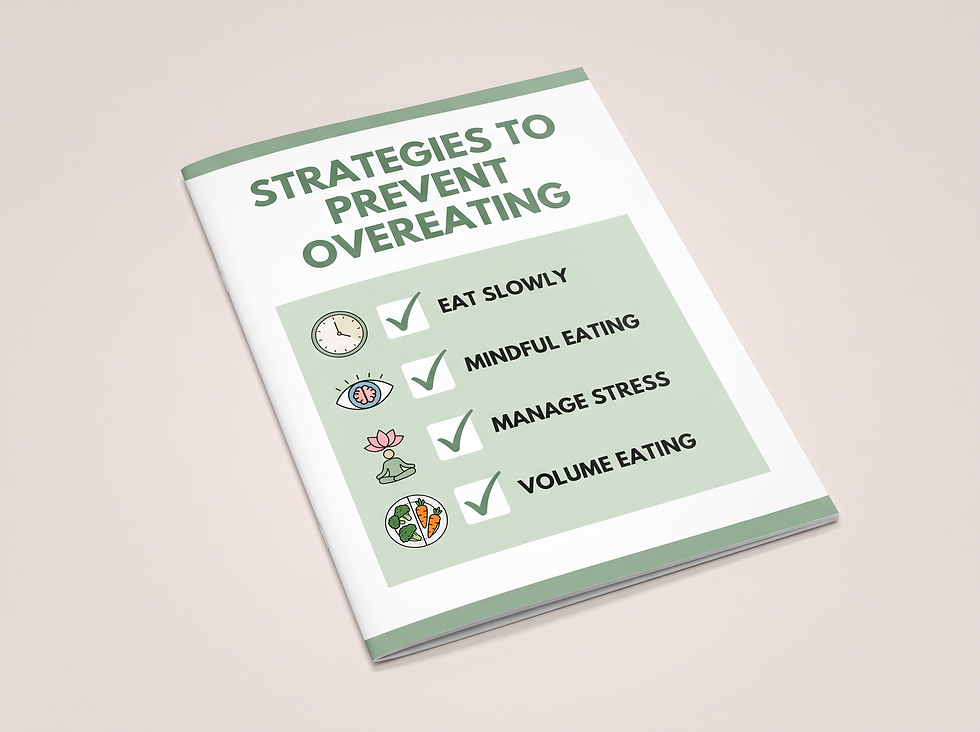
Eat Slowly: Chew thoroughly and put your fork down between bites to give your brain time to register fullness.
Mindful Eating: Pay attention to the taste, texture, and smell of your food without distractions.
Manage Stress: Find non-food sources of endorphins, such as exercise, hobbies, or meditation.
Volume Eating: Fill half your plate with fiber-rich vegetables to feel full on fewer calories.
Limit Alcohol: Alcohol lowers inhibitions and often leads to increased food consumption.
Conclusion
Overeating is a common human experience, especially in our modern environment of abundant, highly processed food. While occasional overindulgence is a normal part of life, understanding the biological and emotional drivers behind it is key to preventing it from becoming a chronic health issue. By practicing mindfulness and managing stress, you can restore the natural balance of your hunger hormones and improve your overall well-being.
Call to Action
If you find yourself overeating more than once a week for several months, consider speaking with a healthcare provider or a registered dietitian to develop a personalized plan for healthy eating habits.
Frequently Asked Questions (FAQ)
Is overeating the same as binge eating disorder?
No. While both involve eating past fullness, binge eating disorder is a specific clinical diagnosis involving a loss of control and intense feelings of shame or distress.
Why does overeating make me so tired?
Your body redirects blood flow to the digestive system to process the extra food, and high-carb meals can cause a sugar crash.
Can overeating make you feel physically sick?
Yes. It can cause nausea, vomiting, acid reflux, and severe stomach discomfort.
How long does a "food coma" last?
Most people begin to feel better within two to four hours as the initial phase of digestion completes.
Does overeating once cause weight gain?
Occasional overeating (like on a holiday) rarely causes lasting weight gain. Habitual overeating, however, will lead to weight gain over time.
What is the best tea for an overstuffed stomach?
Ginger, peppermint, and chamomile teas are excellent for reducing gas and soothing the digestive tract.
Why do I crave junk food when I'm stressed?
Stress increases cortisol, which biologically triggers cravings for high-fat and high-sugar foods for quick energy.
How can I tell if I'm full if I eat fast?
Try the "20-minute rule." Wait 20 minutes after finishing a moderate portion before deciding if you need more; that is how long it takes for the brain to get the signal.
Can drinking water help me stop overeating?
Yes. Sometimes thirst is mistaken for hunger. Staying hydrated can also help you feel fuller during a meal.
Why is overeating common at night?
Evening overeating is often "hedonic," meaning it's done for pleasure or to cope with the day's stress rather than for energy needs.
Do antacids have side effects?
Yes, they can sometimes cause constipation, diarrhea, or stomach cramps.
Can certain medications cause overeating?
Yes. Some antidepressants, steroids, and other medications can increase appetite or decrease fullness signals.
What is "mindful eating"?
It is the practice of being fully present during a meal, noticing the sensory details of food and internal hunger cues.
Should I skip meals the day after overeating?
No. Drastically reducing calories can lead to extreme hunger later, continuing the cycle. Return to your normal, healthy eating pattern.
When should I see a doctor about my overeating?
If it happens regularly (more than once a week), feels out of control, or is causing significant weight gain or emotional distress.
References
Medical Disclaimer: The information provided in this article is for educational purposes only and is not intended as medical advice. Always seek the advice of your physician or other qualified health provider with any questions you may have regarding a medical condition. Never disregard professional medical advice or delay in seeking it because of something you have read here. If you think you may have a medical emergency, call your doctor or 911 immediately.
Comments