Ornithophobia (Fear of Birds): Symptoms, Causes, Diagnosis, and Treatment — What You Need to Know

Updated: 2 days ago
Medically reviewed by Dr. Baraa Alnahhal, MD · Last reviewed: September 2026
TL;DR
Ornithophobia is a specific phobic disorder characterized by an intense, irrational fear of birds. Triggers can range from real-life encounters to images, sounds, or even feathers. While specific phobias affect approximately 1 in 10 adults, the fear of birds is often rooted in traumatic past experiences or genetic predispositions. Symptoms include rapid heart rate, dizziness, and extreme dread. Left untreated, it can lead to social isolation or agoraphobia. Fortunately, mental health specialists can help individuals manage and overcome this fear through targeted treatments like Cognitive Behavioral Therapy (CBT) and Exposure Therapy.
MENTAL HEALTH EMERGENCY WARNING
Phobia disorders, including ornithophobia, can significantly impact mental well-being and may lead to severe complications. If you or someone you know is experiencing suicidal thoughts or a mental health crisis, immediate help is available:
Call or Text 988: The Suicide & Crisis Lifeline (Available 24/7 in the U.S. and Canada).
Crisis Text Line: Text "HOME" to 741741.
Emergency Services: Call 911 or visit the nearest emergency department if you are in immediate danger.
What is Ornithophobia?
Ornithophobia is an anxiety disorder where an individual experiences an overwhelming and persistent fear of birds. The term is derived from the Greek words "ornithos" (bird) and "phobos" (fear). Unlike a general dislike, this phobia causes significant distress and interferes with daily life, often leading the individual to avoid parks, beaches, or even leaving their home. The fear may be directed at all birds, specific species (like hawks or pigeons), or even inanimate objects like bird sculptures or feathers. Diagnosis typically requires that the fear be persistent for at least six months and cause substantial impairment to one's quality of life.
Common Triggers of Ornithophobia
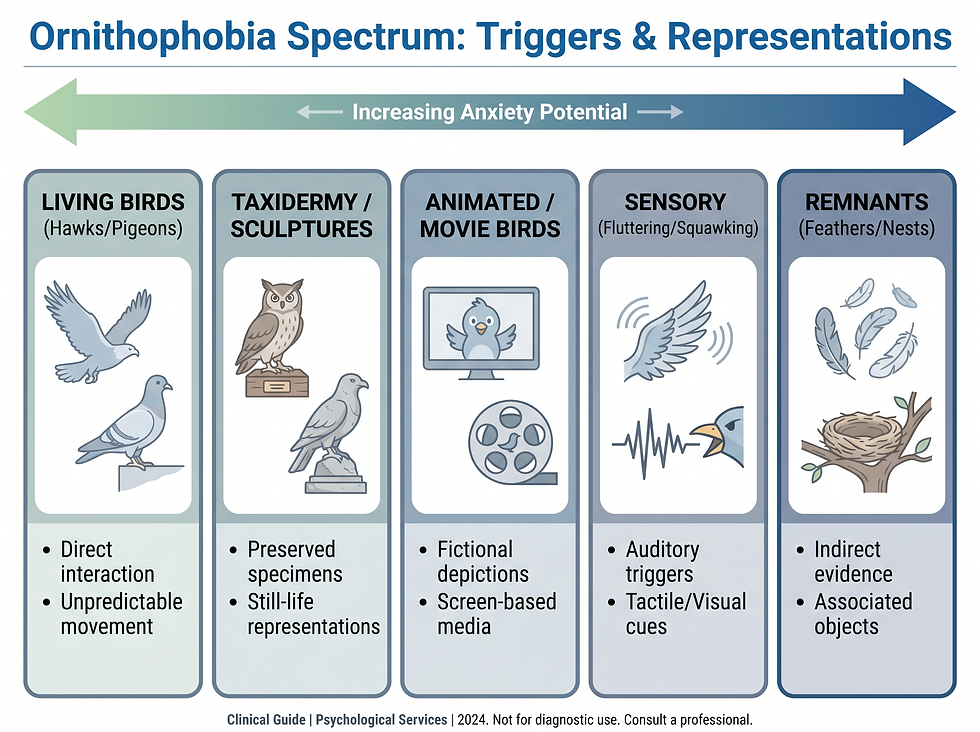
Triggers for ornithophobia are diverse and can involve various sensory experiences or representations of birds.
Trigger Type | Examples |
Living Birds | All birds, birds of prey (hawks), or household birds (parakeets). |
Representations | Taxidermy birds, bird sculptures, or animated birds in movies. |
Sensory Inputs | The sound of squawking, the fluttering of wings, or bird songs. |
Physical Remnants | Loose feathers, bird nests, or bird droppings. |
Media | Photos, videos, or specific horror films like Hitchcock's "The Birds." |
Symptoms and The Fear Response
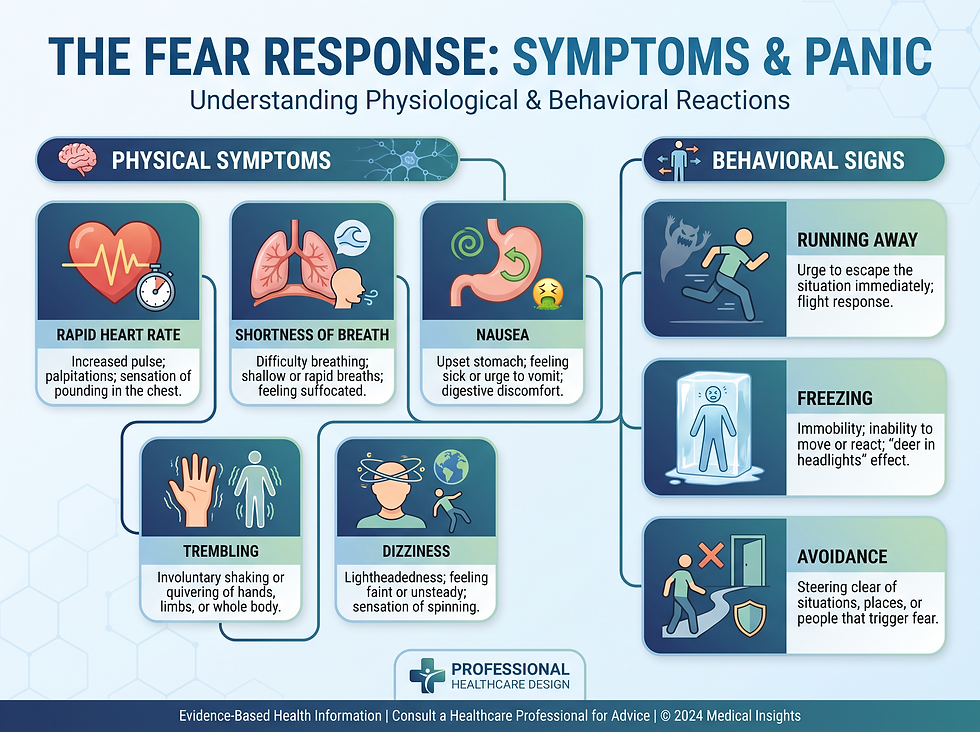
When exposed to a trigger, an individual with ornithophobia may experience a range of physical and psychological symptoms.
Physical Symptoms
Cardiovascular: Rapid heart rate and palpitations.
Respiratory: Shortness of breath or rapid, shallow breathing.
Gastrointestinal: Nausea, vomiting, or diarrhea.
Autonomic: Profuse sweating, dry mouth, and dizziness.
Neuromuscular: Shaking, trembling, or becoming "frozen" in fear.
Psychological Symptoms
Intense Dread: A feeling of overwhelming terror or impending doom.
Avoidance Behavior: Running away, hiding, or altering routines to avoid birds.
Anticipatory Anxiety: Worrying about encountering birds long before being in their presence.
Causes and Risk Factors
Ornithophobia is rarely the result of a single factor and often involves a combination of experience and biology.
Traumatic Encounters: Being chased by geese, dive-bombed by seagulls, or witnessing a bird attack an animal.
Family History: Growing up with a parent or relative who has a fear of birds or other anxiety disorders.
Genetics: Specific gene mutations linked to a higher predisposition for developing phobias.
Cultural Influence: Media portrayals of birds as scary or ominous (e.g., Poe's "The Raven" or "The Birds").
Diagnosis and Professional Assessment
Mental health providers use the DSM-5 (Diagnostic and Statistical Manual of Mental Disorders) to diagnose specific phobias.
Diagnostic Criteria
Persistence: The extreme fear must last for at least six months.
Immediate Reaction: Symptoms almost always appear immediately upon exposure to the trigger.
Disproportionate Fear: The fear is significantly greater than the actual danger posed by the bird.
Impact: The condition negatively affects social, occupational, or other areas of functioning.
Treatment and Path to Recovery
Recovery from ornithophobia is possible with professional guidance and evidence-based therapies.
Primary Treatments
Exposure Therapy (Desensitization): The most common treatment. A therapist gradually exposes the patient to birds (starting with images) while teaching relaxation techniques.
Cognitive Behavioral Therapy (CBT): Helps patients identify and change the negative thought patterns that fuel their fear.
Hypnotherapy: Uses a hypnotic state to help patients process memories and emotions related to the phobia.
Medication: Anti-anxiety drugs or antidepressants may be prescribed to manage symptoms during the therapy process. [1]

Potential Complications
If left untreated, ornithophobia can lead to more severe mental health challenges.
Agoraphobia: A fear of being in places where birds might be, eventually leading to a fear of leaving home.
Social Isolation: Avoiding outdoor social gatherings, parks, or vacations.
Mental Health Disorders: Increased risk of depression, panic disorder, and substance use disorder. [1]
Frequently Asked Questions
Is ornithophobia a real medical condition?
Yes. It is classified as a "specific phobia," which is a type of anxiety disorder recognized in the DSM-5. [1]
Why are some people afraid of birds but not other animals?
Phobias are often highly specific. A person might have had a negative experience specifically with a bird, or they may find the unpredictable movement of wings particularly distressing. [1]
Can you suddenly develop a fear of birds as an adult?
Yes. While many phobias start in childhood, an adult can develop a phobia after a traumatic event or a period of high stress. [1]
How long does it take to cure ornithophobia?
The duration of treatment varies. Some people see significant improvement in just a few sessions of exposure therapy, while others may need several months of CBT. [1]
Is the fear of birds common?
While exact numbers for ornithophobia are unknown, about 10% of adults will experience a specific phobia at some point in their lives. [1]
Are there specific birds that are more commonly feared?
Yes. Birds of prey (hawks, owls) and large water birds (geese, seagulls) are frequently cited triggers due to their size and aggressive behaviors. [1]
Can watching movies about birds cause a phobia?
Movies like Hitchcock's "The Birds" can contribute to or worsen a fear, especially in individuals already predisposed to anxiety. [1]
What should I do if my child is afraid of birds?
Avoid forcing them to interact with birds. Instead, speak with a pediatrician or child psychologist who can recommend age-appropriate exposure techniques. [1]
Can medication cure a phobia?
Medication can manage the symptoms of anxiety but does not address the underlying fear. It is most effective when used alongside therapy. [1]
Is ornithophobia related to the fear of death?
In some cases, people associate birds (like crows or vultures) with death (thanatophobia), which can contribute to their fear. [1]
Can I treat my phobia on my own?
While self-help techniques can help, professional guidance is recommended to ensure that exposure is done safely and does not retraumatize the individual. [1]
What is the success rate of exposure therapy?
Exposure therapy is highly effective, with many patients reporting a significant reduction in fear and an improved ability to function in environments with birds. [1]
Does ornithophobia cause physical pain?
The phobia itself does not cause pain, but the physical symptoms of a panic attack (chest tightness, muscle tension) can be very uncomfortable. [1]
Can birds actually hurt you?
While most birds are harmless, some large or territorial birds can peck or scratch. However, the fear in ornithophobia is disproportionate to this minor risk. [1]
When should I seek help for my fear of birds?
You should seek help if your fear causes you to avoid daily activities, interferes with your sleep, or leads to feelings of depression or panic. [1]
References
Medical Disclaimer: The information provided in this article is for educational purposes only and should not be considered medical advice. Always seek the advice of a qualified healthcare provider with any questions you may have regarding a medical condition. If you are experiencing a medical emergency or mental health crisis, call 911 or the 988 Suicide & Crisis Lifeline immediately.
Comments