Navigating Rare Lung Diseases: A Guide to Symptoms, Causes, and Care

Updated: 2 days ago
Medically reviewed by Dr. Baraa Alnahhal, MD · Last reviewed: September 2026
Rare lung diseases are serious, chronic conditions that affect how the lungs exchange oxygen and carbon dioxide. Each affects fewer than 200,000 people in the U.S., and many worsen over time with no known cure. Common symptoms include chronic cough, shortness of breath, and fatigue. Causes range from genetic mutations to environmental exposures and autoimmune disease. Treatment focuses on relieving symptoms and slowing progression, and lung transplantation may be considered for advanced disease.
Quick answer: Rare lung diseases, also called orphan lung diseases, are hundreds of chronic respiratory conditions that each affect a small share of the population. In the U.S., a disease is classified as rare when it affects fewer than 200,000 people. Most are progressive, and many are linked to genetic mutations, while others are triggered by environmental toxins, infections, or autoimmune disorders. Well-known examples include cystic fibrosis, alpha-1 antitrypsin deficiency, pulmonary arterial hypertension, and interstitial lung diseases. Treatment aims to relieve symptoms, slow progression, and improve quality of life. Because these conditions are uncommon, patients may face delays in diagnosis and in finding specialized care.
What Are Rare Lung Diseases?
Rare lung diseases, sometimes called orphan lung diseases, are a large group of chronic conditions that interfere with the lungs’ ability to move oxygen into the blood and carbon dioxide out of it. Although each condition affects relatively few people, there are hundreds of them, and together they represent a significant burden for patients and families.
Most rare lung diseases are progressive, meaning they worsen over time, and many have no cure. Because they are uncommon, symptoms such as a lingering cough or breathlessness are often mistaken for more familiar problems, and it can take time to reach an accurate diagnosis and a specialist who knows the condition well.
Common Types of Rare Lung Diseases
There are hundreds of rare respiratory disorders, each with its own characteristics and management needs. The table below summarizes some of the best-known examples.
Disease | Primary Characteristics |
Alpha-1 Antitrypsin Deficiency | Low levels of AAT protein; increases the risk of COPD and liver disease. |
Cystic Fibrosis (CF) | Genetic disorder that causes thick, sticky mucus to build up in the lungs and other organs. |
Pulmonary Arterial Hypertension (PAH) | Thickening and narrowing of the lung arteries, leading to high blood pressure in the lungs. |
Idiopathic Pulmonary Fibrosis (IPF) | Unexplained thickening, stiffness, and scarring of lung tissue. |
Sarcoidosis | Small clusters of inflammatory cells (granulomas) form in the lungs. |
Lymphangioleiomyomatosis (LAM) | Smooth muscle cells block airways and cysts form in the lungs; primarily affects women. |

Causes and Risk Factors
Rare lung diseases can develop from a variety of internal and external factors. Some conditions, such as cystic fibrosis, are inherited and present from birth, while others develop later in life after exposure to harmful substances or as part of another illness. In many cases the exact cause is never identified.
Cause | How It Contributes |
Genetics | Many conditions, like cystic fibrosis, are inherited genetic disorders present from birth. |
Environmental exposure | Inhaling harmful substances such as asbestos, coal dust, mold, bird droppings, or tobacco smoke. |
Autoimmune disorders | Conditions like lupus, rheumatoid arthritis, and scleroderma can cause the immune system to attack lung tissue. |
Medications | Certain chemotherapy drugs, antibiotics, and heart medications can trigger lung inflammation or scarring. |
Idiopathic (unknown) | In many cases, the exact cause remains unknown. |
Symptoms of Rare Lung Diseases
Symptoms vary by condition, but most rare lung diseases affect a person’s ability to breathe effectively. Respiratory symptoms include shortness of breath (especially during activity), a chronic cough, and chest pain. Systemic symptoms include persistent fatigue, unexplained weight loss, and reduced tolerance for exercise.
In more advanced disease, some people develop clubbing, a widening and rounding of the fingertips and toes. Any persistent breathing symptom deserves medical attention, particularly when it lasts for weeks or keeps getting worse.
How Rare Lung Diseases Are Diagnosed
Diagnosis usually starts with a review of symptoms and a physical exam, followed by pulmonary function tests (PFTs) that measure how well the lungs work. Imaging such as CT scans shows the structure of the lungs, and some patients need a lung biopsy or genetic testing to confirm the exact condition.

Treatment and Long-Term Management
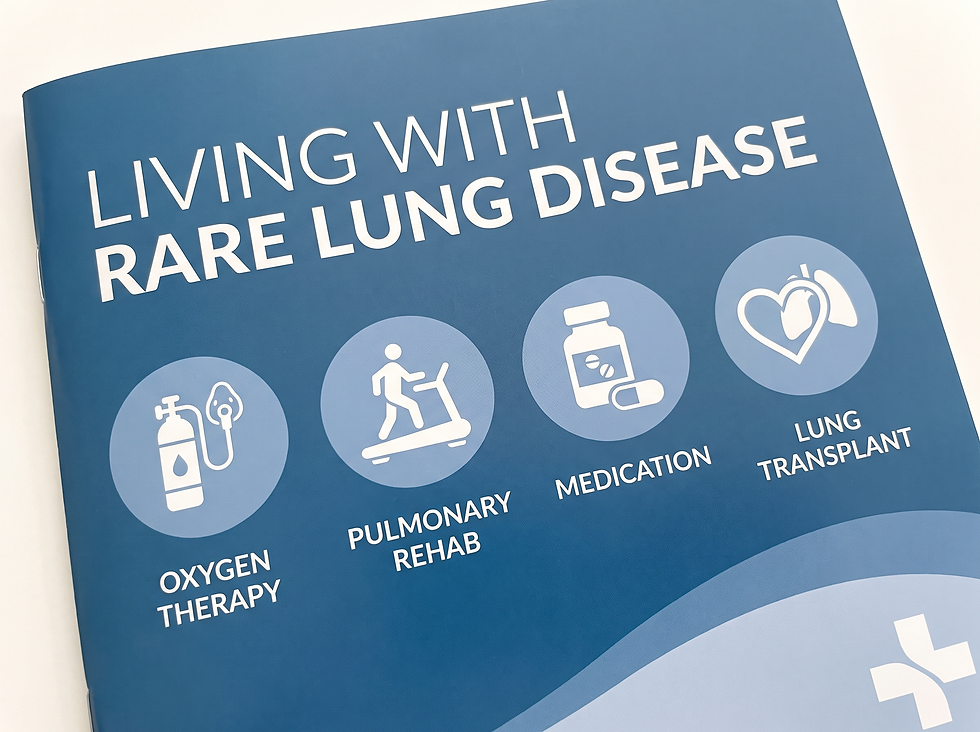
Treatment is highly individualized and depends on the specific disease, how far it has progressed, and the person’s overall health. The goal is to relieve symptoms, slow progression, and preserve quality of life. Common approaches include the following.
Medications: Corticosteroids, immunosuppressants, or anti-fibrotic drugs to slow scarring.
Oxygen therapy: Supplemental oxygen to maintain healthy blood oxygen levels.
Pulmonary rehabilitation: Specialized exercise and education programs to improve lung function and daily activity. Learn more in our guide to pulmonary rehabilitation.
Airway clearance: Techniques or devices that help clear mucus from the lungs.
Lung transplantation: Surgery to replace diseased lungs with healthy donor lungs, often considered for end-stage disease.
Conclusion and Next Steps
Rare lung diseases are diverse, but they share a pattern of chronic, often progressive breathing problems that benefit from early recognition and specialized care. Although most cannot be cured, modern treatment can ease symptoms and slow progression for many patients.
If you have a persistent cough, unexplained shortness of breath, or chronic chest pain, talk with a healthcare provider. Support organizations such as the National Organization for Rare Disorders (NORD) and the American Lung Association offer education and community for patients and families.
Frequently Asked Questions
What defines a “rare” lung disease?
In the United States, a disease is considered rare if it affects fewer than 200,000 people. In the European Union, the usual threshold is no more than 5 in every 10,000 people.
Why are they sometimes called “orphan” lung diseases?
The term “orphan” reflects that these conditions have historically received less research funding and drug-development attention, because each one affects relatively few people.
Are rare lung diseases contagious?
No. Most rare lung diseases are caused by genetics, environmental factors, or autoimmune problems and cannot be passed from person to person.
Can children have rare lung diseases?
Yes. Genetic conditions such as cystic fibrosis are often diagnosed in infancy or early childhood.
What is the most common symptom of rare lung disease?
Shortness of breath (dyspnea) and a chronic, persistent cough are the symptoms reported most often across rare lung conditions.
How are these diseases diagnosed?
Diagnosis usually involves a physical exam, pulmonary function tests (PFTs), and imaging such as CT scans. Some patients also need a lung biopsy or genetic testing.
Is there a cure for rare lung diseases?
Most rare lung diseases are chronic and currently have no cure, although treatment can manage symptoms and slow progression.
What is a lung transplant?
It is a surgical procedure that replaces one or both diseased lungs with healthy donor lungs. It is often considered for end-stage lung disease.
Can smoking cause rare lung diseases?
Smoking is not the only cause, but tobacco smoke is a significant environmental factor that can trigger or worsen many rare respiratory conditions.
What is alpha-1 antitrypsin deficiency?
It is a genetic condition in which the body does not produce enough of a protein (AAT) that protects the lungs, which can lead to early-onset lung disease.
What are interstitial lung diseases (ILDs)?
ILD is a broad category of more than 200 disorders that cause progressive scarring of the lung tissue (the interstitium).
How does pulmonary rehabilitation help?
It combines exercise, nutritional counseling, and education to help patients improve their physical condition and manage symptoms more effectively.
What is whole-lung lavage?
It is a procedure used to treat pulmonary alveolar proteinosis (PAP), in which the lungs are “washed” with saline to remove excess protein and fat buildup.
Are there support groups for rare lung diseases?
Yes. Many organizations provide resources and support for patients and families dealing with rare respiratory disorders.
When should I see a doctor about my breathing?
Consult a healthcare provider if you have a persistent cough, unexplained shortness of breath, or chronic chest pain.
Medical Disclaimer: The information provided in this article is for educational purposes only and is not intended as medical advice. Always seek the advice of your physician or other qualified health provider with any questions you may have regarding a medical condition. Never disregard professional medical advice or delay in seeking it because of something you have read here. If you think you may have a medical emergency, call your doctor or 911 immediately.
Comments