Iontophoresis: A Noninvasive Solution for Excessive Sweating and Skin Delivery

Updated: 2 days ago
Medically reviewed by Dr. Baraa Alnahhal, MD · Last reviewed: September 2026
TL;DR
Iontophoresis is a safe, noninvasive medical treatment that utilizes a mild electrical current to deliver substances through the skin or reduce excessive sweating. Primarily used for hyperhidrosis affecting the hands, feet, and underarms, this targeted therapy offers a drug-free alternative to surgery or injections. While results typically emerge within two weeks, regular maintenance is required to sustain long-term relief.
Quick Answer
Iontophoresis is a medical procedure that uses low-level electrical currents to transport medications or minerals through the skin. It is most frequently used to treat hyperhidrosis (excessive sweating) by temporarily blocking sweat glands. During a 20 to 30-minute session, the treated area is submerged in water or placed under moist pads. This process is noninvasive, highly targeted, and can often be performed at home after initial clinical guidance.
The Evolution of Targeted Skin Therapy
Traditionally, managing conditions like hyperhidrosis or delivering localized medications required invasive injections or systemic drugs that affected the entire body. Iontophoresis represents a significant shift toward localized, noninvasive care. By using the skin’s natural permeability and enhancing it with controlled electrical energy, medical professionals can achieve precise results without the need for needles or surgical recovery periods.
How Iontophoresis Works
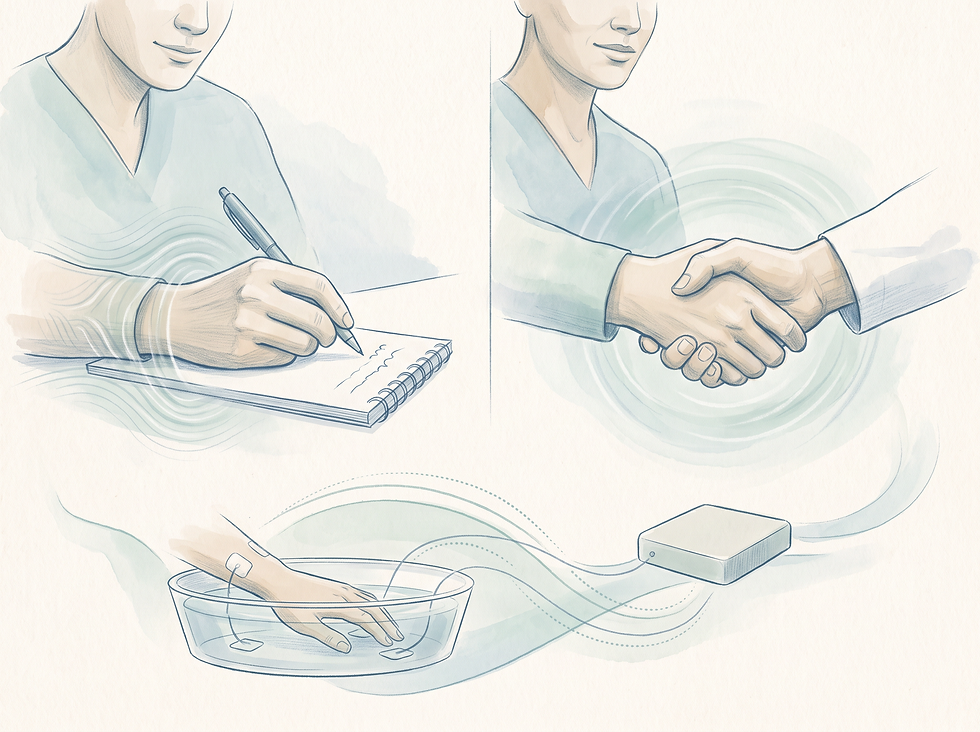
The procedure relies on two primary scientific principles: electromigration and electro-osmosis. During treatment, a device sends a small electrical current through the skin using a positive electrode (anode) and a negative electrode (cathode). In electromigration, charged particles move away from the electrode with the same charge, effectively pushing them into the skin. Simultaneously, electro-osmosis creates a gentle fluid flow that carries additional substances along with it.
When treating excessive sweating, the exact biological mechanism is still being studied, but it is believed that the current temporarily blocks sweat from reaching the surface. This may occur by disrupting nerve transmission to the glands, changing the pH levels within the glands, or physically affecting the sweat ducts. Most patients report a significant reduction in moisture in the treated area after a consistent initial series of treatments.
Comparison of Iontophoresis Types
Treatment Type | Primary Purpose | Common Applications |
Tap Water | Reduces excessive sweating | Hands, feet, and underarms |
Drug Delivery | Pushes medication through skin | Anti-inflammatories, anesthetics |
Cosmetic | Enhances skin care absorption | Vitamins, antioxidants, serums |
The Clinical Procedure: What to Expect
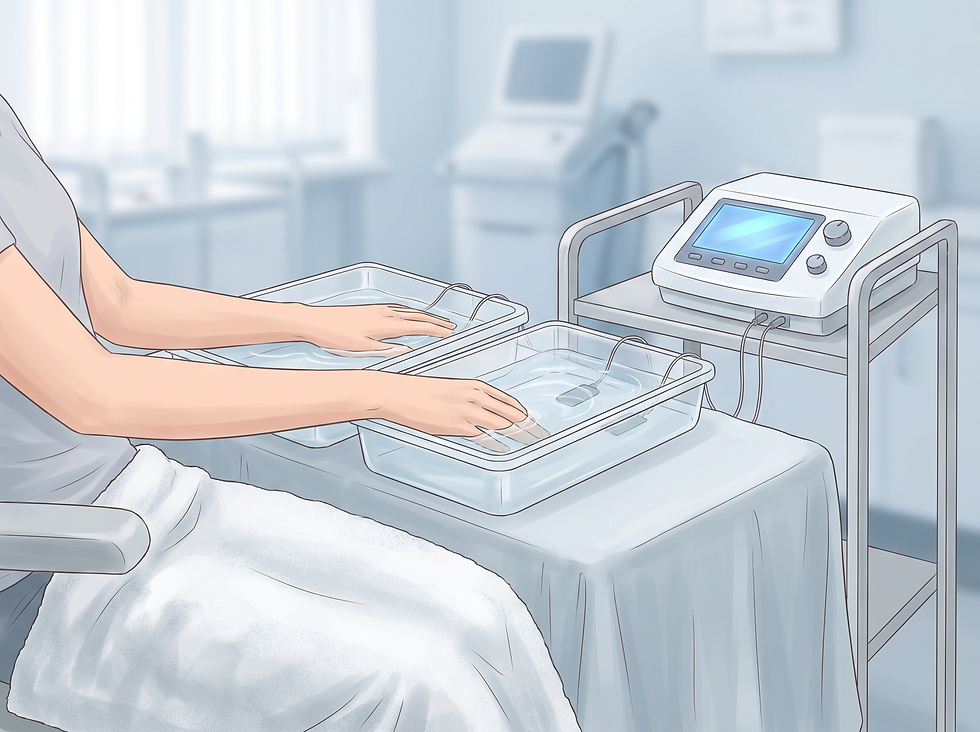
The experience of undergoing iontophoresis is generally straightforward and painless, characterized by a gentle tingling sensation rather than discomfort. The following table outlines the typical stages of a tap water session for hyperhidrosis.
Procedure Stage | Description of Clinical Activities |
Preparation | The hands or feet are placed in shallow trays of tap water. |
Activation | The device is turned on to initiate a mild electrical current. |
Adjustment | The current is slowly increased until a tingling sensation is felt. |
Treatment | The session continues for approximately 20 to 30 minutes. |
Completion | The device is turned off, and the treated area is dried. |
Benefits and Patient Outcomes
The primary advantage of iontophoresis is its ability to provide long-term relief for hyperhidrosis without systemic side effects. Because the treatment is localized, patients do not experience the full-body impact often associated with oral medications. Furthermore, many patients appreciate the flexibility of transitioning to at-home treatment once they have mastered the technique under professional supervision.
While most side effects are mild—such as temporary skin irritation, dryness, or slight discoloration—the success of the treatment depends heavily on consistency. Most individuals begin to see noticeable improvements within one to two weeks of starting the initial sessions. After achieving the desired results, a weekly maintenance schedule is usually sufficient to keep symptoms managed effectively.
FAQ
1. What is iontophoresis?
It is a noninvasive treatment that uses a mild electrical current to move substances through the skin or reduce sweating.
2. Is the treatment painful?
No, patients typically only feel a gentle tingling sensation during the procedure.
3. How long does a session take?
A typical iontophoresis session lasts between 20 and 30 minutes.
4. How soon will I see results?
Most patients notice an improvement in their symptoms within one to two weeks.
5. Can I perform iontophoresis at home?
Yes, many patients use personal devices at home after receiving initial guidance from a provider.
6. What are the common side effects?
The most common side effects include skin irritation, dryness, and mild tingling.
7. Who should avoid this treatment?
It is not recommended for individuals who are pregnant or have pacemakers, metal implants, or heart conditions.
8. Does it work for underarms?
Yes, special moist electrode pads can be used to treat excessive underarm sweating.
9. How often do I need maintenance?
Once symptoms are controlled, maintenance treatments are typically performed once a week.
10. Is it a permanent cure?
While not a permanent cure, regular maintenance can provide long-term management of symptoms.
11. What is cosmetic iontophoresis?
It is a version used to help skin care ingredients like vitamins absorb more effectively.
12. Can it deliver medication?
Yes, drug iontophoresis is used to push anti-inflammatory or anesthetic medications through the skin.
13. Is it safe for children?
Parents should consult with a healthcare provider to determine if it is appropriate for their child's specific needs.
14. What happens if I stop maintenance?
Symptoms of excessive sweating will likely return if maintenance treatments are discontinued.
15. Does insurance cover it?
Coverage varies by provider and plan; it is best to check with your insurance company directly.
Conclusion
Iontophoresis offers a powerful and efficient alternative for managing excessive sweating and enhancing localized drug delivery. By combining scientific precision with a noninvasive approach, it provides a patient-centered solution that prioritizes both clinical effectiveness and personal comfort. For those struggling with the daily challenges of hyperhidrosis, this technology represents a reliable path toward improved quality of life.
Next Steps
If you are considering iontophoresis, the first step is to consult with a healthcare professional to confirm it is the right option for your condition. They can provide an initial clinical evaluation, guide you through the first few sessions, and help you select an appropriate device if you choose to continue treatment at home. Be sure to discuss any underlying health conditions, such as pregnancy or implants, before starting.
Disclaimer: The information provided in this article is for educational purposes only and should not be considered professional medical advice. Always seek the advice of a qualified healthcare provider with any questions regarding a medical condition or treatment plan.
Health information, not medical advice. This article is for general education and is not a substitute for professional diagnosis or treatment. Always consult a qualified healthcare provider about your own health, and seek emergency care for urgent symptoms.
Comments