Fecal Microbiota Transplantation (FMT): Restoring Gut Health

Updated: 2 days ago
Medically reviewed by Dr. Baraa Alnahhal, MD · Last reviewed: September 2026
Quick Answer: Fecal microbiota transplantation (FMT) is a medical procedure that transfers a processed stool sample from a healthy donor into the colon of a recipient. This process introduces trillions of beneficial microorganisms to repopulate the gut and restore ecological balance. While currently proven effective for treating persistent Clostridioides difficile (C. diff) infections that do not respond to traditional antibiotics, it is also being actively researched as a potential treatment for various inflammatory and metabolic disorders.
TL;DR
Fecal microbiota transplantation (FMT) involves transferring healthy stool microorganisms to a diseased colon to restore microbial balance. Currently, it is primarily used for recurrent bacterial infections that resist standard antibiotics. The procedure can be performed via colonoscopy, enema, or oral capsules, with significant research ongoing for other metabolic and inflammatory conditions.
Overview and Mechanism
The human gut is home to a complex ecosystem of trillions of microorganisms, most of which perform vital functions such as supporting the immune system and preventing harmful bacteria from proliferating. However, factors like disease, specific medications, or chronic conditions can disrupt this delicate balance. Fecal microbiota transplantation (FMT) serves as a direct method to repopulate the gut with a healthy mix of microbes, effectively outcompeting pathogenic organisms and restoring functional health to the digestive tract.
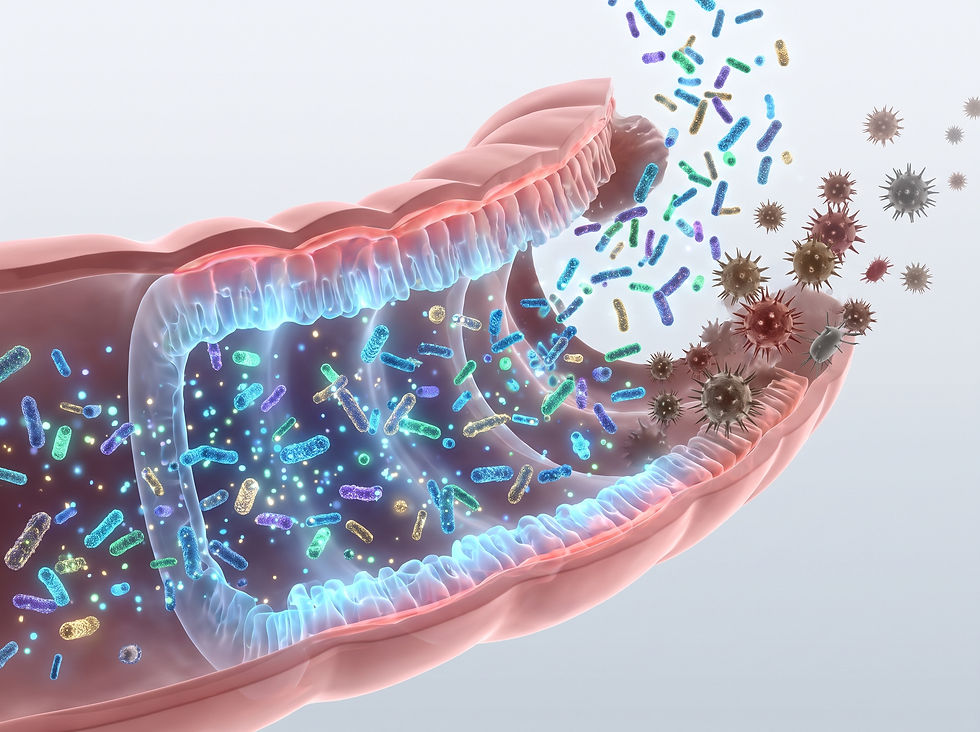
Figure 1: Conceptual representation of the microbial restoration process within the digestive tract.
Delivery Method | Description | Success Rate Context |
Colonoscopy | Delivery via a slim, flexible tube with a camera inserted through the rectum. | Preferred historical method with high direct delivery precision. |
Enema | Liquid microbiota therapy delivered through a tube inserted into the rectum. | Accessible, non-invasive method requiring no anesthesia or bowel prep. |
Oral Capsule | Freeze-dried, live microbiota spores in a protective pill form. | Non-invasive home administration following specific bowel preparation. |
Upper Endoscopy | Delivery through a tube passed via the nose or mouth into the small intestine. | Alternative for specific cases, though often has lower success rates. |
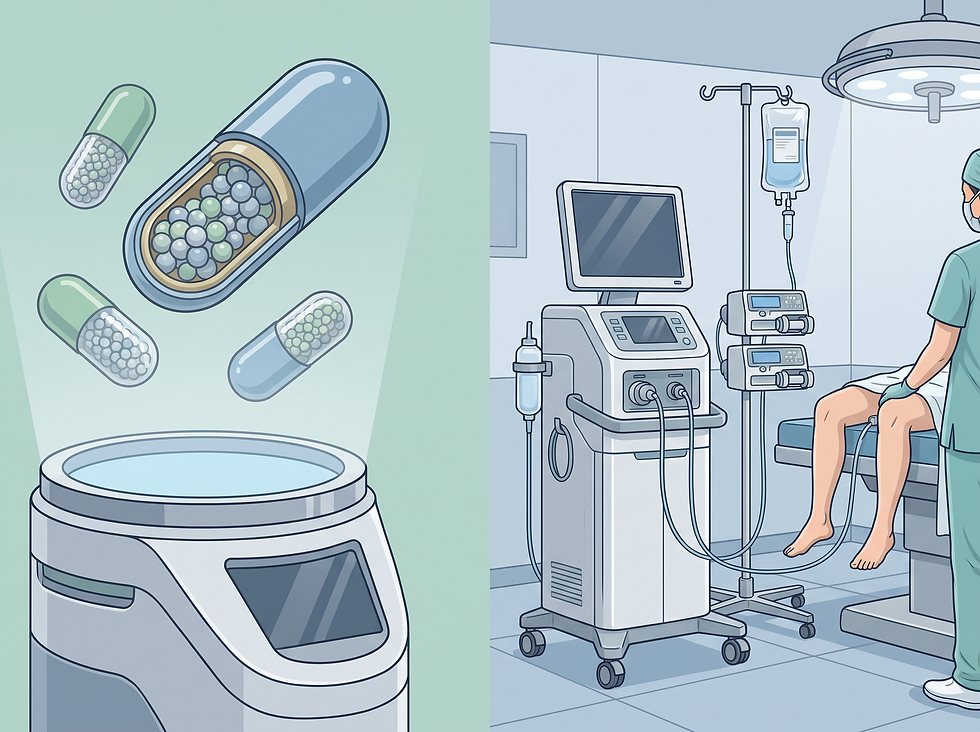
Figure 2: Overview of modern delivery methods for microbiota restoration therapy.
Clinical Applications and Research
At present, fecal transplantation is clinically recommended and proven effective for treating persistent or recurrent Clostridioides difficile infections (CDI). This specific bacterial infection can become highly resistant to standard antibiotic therapies, making FMT a critical intervention when other treatments fail. Beyond this primary application, the medical community is extensively researching the potential benefits of FMT for a wide range of other conditions related to the gut-brain axis and metabolic health.
Condition Category | Examples Under Research | Potential Impact |
Inflammatory Conditions | Ulcerative Colitis, Crohn’s Disease | Reducing gut inflammation and supporting long-term remission. |
Metabolic Disorders | Obesity, Type 2 Diabetes | Influencing metabolic rates and insulin sensitivity through gut health. |
Neurological/Behavioral | Autism Spectrum Disorder, Anxiety, Depression | Exploring the gut-brain axis for behavioral and mood improvements. |
Other Chronic Diseases | Liver Disease, Multiple Sclerosis, Food Allergies | Supporting systemic immune function and reducing disease progression. |
Procedure and Recovery
The specific procedure for receiving a fecal transplant depends on the chosen delivery method. For enema-based therapies, no significant bowel preparation or anesthesia is required. The patient typically receives a single dose in a clinical setting, lying on their left side for a few minutes during administration and remaining in that position for a short period afterward to ensure the transplant remains in place. This method is often preferred for its accessibility and minimal impact on the patient's daily routine.
In contrast, the oral capsule method requires a period of fasting and the use of a laxative solution to clear the bowels before the first dose. The treatment typically involves taking multiple capsules daily over a three-day period. Regardless of the method, the goal remains the same: to introduce a robust population of beneficial microbes that can take hold and flourish within the recipient's digestive system.

Figure 3: Visualization of a restored ecological balance within the human gut.
Frequently Asked Questions
What is the primary goal of a fecal transplant?
The primary goal is to restore a healthy balance of microorganisms in a diseased colon by introducing beneficial bacteria from a healthy donor.
Is a fecal transplant the same as taking a probiotic?
While both introduce beneficial bacteria, FMT involves a much more complex and diverse community of trillions of microorganisms compared to the limited strains found in most commercial probiotics.
When do doctors typically recommend FMT?
It is currently recommended primarily for recurrent C. diff infections that have not responded to multiple rounds of antibiotics.
Does the donor need to be a family member?
Donors can be family members or anonymous healthy individuals, but they must undergo rigorous medical screening to ensure their stool is safe for transplantation.
Is the procedure for an enema transplant painful?
The enema procedure is generally not painful and is described as a simple, non-invasive process that takes only a few minutes.
Why is an upper endoscopy less successful for FMT?
Microbiota delivered through the upper GI tract must travel through the small intestine, where environmental changes may reduce the number of microbes that successfully reach the colon.
How long does a patient need to stay at the clinic after an enema transplant?
Patients are usually asked to remain lying on their side for about 15 minutes after the procedure to help the transplant stay in place.
What kind of preparation is needed for the oral capsule method?
Preparation typically involves fasting and using a laxative solution to clear the bowels at least eight hours before the first dose.
Can FMT treat obesity?
Research is ongoing into how gut bacteria affect metabolism and weight, but FMT is not currently an approved treatment for obesity.
How many doses are required for the oral capsule treatment?
The standard prescription typically involves taking four pills a day for three consecutive days.
Are there risks of infection from the donor stool?
Rigorous screening of donors for pathogens and diseases significantly minimizes the risk of transferring an infection.
Is anesthesia required for a fecal transplant?
Anesthesia is generally only required if the transplant is performed during a colonoscopy; enema and capsule methods do not require it.
How quickly does FMT work for C. diff?
Many patients experience a significant improvement in symptoms within a few days of the procedure.
Can children receive fecal transplants?
Yes, FMT can be performed on children, often for the same indications such as recurrent C. diff infections.
What is the future of fecal microbiota therapy?
Medical researchers consider microbiota restoration therapies to be the future of treating various digestive and systemic conditions as our understanding of the microbiome grows.
Conclusion
Fecal microbiota transplantation represents a significant advancement in the treatment of persistent digestive infections. By leveraging the natural power of a healthy microbiome, this procedure offers a highly effective alternative when traditional antibiotics fail. As research continues to expand, the potential applications for FMT may soon extend to a variety of chronic inflammatory and metabolic conditions, offering new hope for patients with complex health challenges.
Next Steps
Patients considering a fecal transplant should consult with a gastroenterologist to determine if they meet the criteria for the procedure, particularly if they are dealing with recurrent infections. It is essential to discuss the various delivery methods available and ensure that any donor material used has undergone comprehensive safety screening.
Medical Disclaimer: This content is for informational purposes only and does not constitute medical advice. Always seek the advice of a qualified healthcare provider with any questions regarding a medical condition or treatment.
Related Reading on Rinnit
Content reviewed and produced following the Rinnit editorial framework. Last updated: September 28, 2026.
Comments