Corpus Callosum: The Brain's Primary Communication Bridge

Updated: 2 days ago
Medically reviewed by Dr. Baraa Alnahhal, MD · Last reviewed: September 2026
Quick Answer
The corpus callosum is the largest white matter structure in the central nervous system, serving as the primary link between the brain's left and right hemispheres. It consists of four distinct anatomical parts — the rostrum, genu, body, and splenium — which facilitate the exchange of nerve signals required for movement, sensory perception, and cognitive reasoning. Conditions such as agenesis of the corpus callosum (ACC) or age-related decline can impair this inter-hemispheric communication, leading to symptoms like coordination difficulties, developmental delays, or cognitive challenges. Diagnosis typically involves advanced neuroimaging, while treatment focuses on symptom management through specialized therapies and medications.
TL;DR
The corpus callosum is a vital brain structure composed of over 200 million nerve fibers that connect the left and right hemispheres. Acting as a communication bridge, it enables the coordination of sensory information, motor control, and complex cognitive functions. Disruptions to this structure, whether congenital or acquired, can significantly impact daily activities and neurological health.
The human brain is a masterpiece of complexity, divided into two distinct hemispheres that must work in perfect harmony to navigate the world. This seamless coordination is made possible by the corpus callosum, a massive bundle of nerve fibers situated deep within the brain's center. By functioning as a high-speed communication relay, it ensures that the analytical left side and the creative right side of the brain are constantly exchanging the data necessary for everything from physical movement to abstract reasoning.
Function and Physiological Role
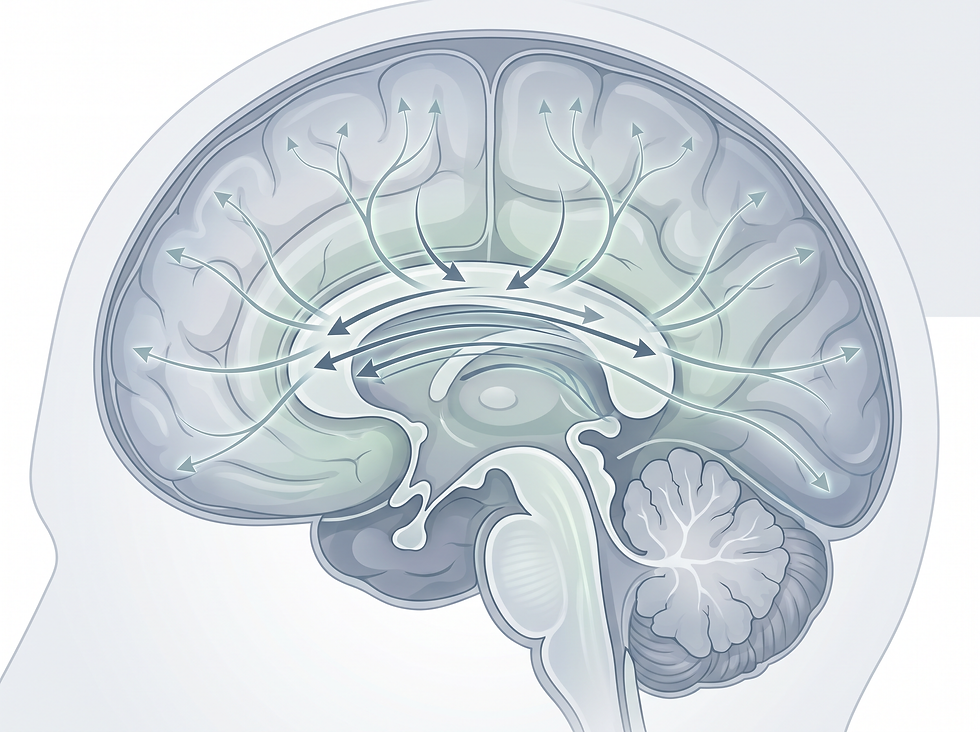
The primary mission of the corpus callosum is to act as a physiological bridge. It facilitates the movement of nerve signals — the brain's internal messengers — between the two hemispheres. This constant dialogue is what allows an individual to synthesize information from different sources into a single, coherent experience. Without this connection, the brain would struggle to integrate the sensory inputs and motor commands required for daily life.
Beyond simple connectivity, the corpus callosum is essential for three major areas of human function. First, it coordinates the five senses, allowing the brain to process vision, hearing, touch, taste, and smell simultaneously. Second, it manages complex movements by relaying instructions to muscles on both sides of the body. Finally, it supports higher-order cognitive functions, including memory retrieval, language processing, and logical problem-solving.
Functional Category | Specific Roles | Impact on Daily Life |
|---|---|---|
Sensory Integration | Processing vision, hearing, and touch. | Recognizing objects and spatial awareness. |
Motor Coordination | Telling muscles how and when to move. | Riding a bike or playing an instrument. |
Cognitive Processing | Memory, language, and reasoning. | Solving puzzles and following instructions. |
Anatomy and Structural Composition
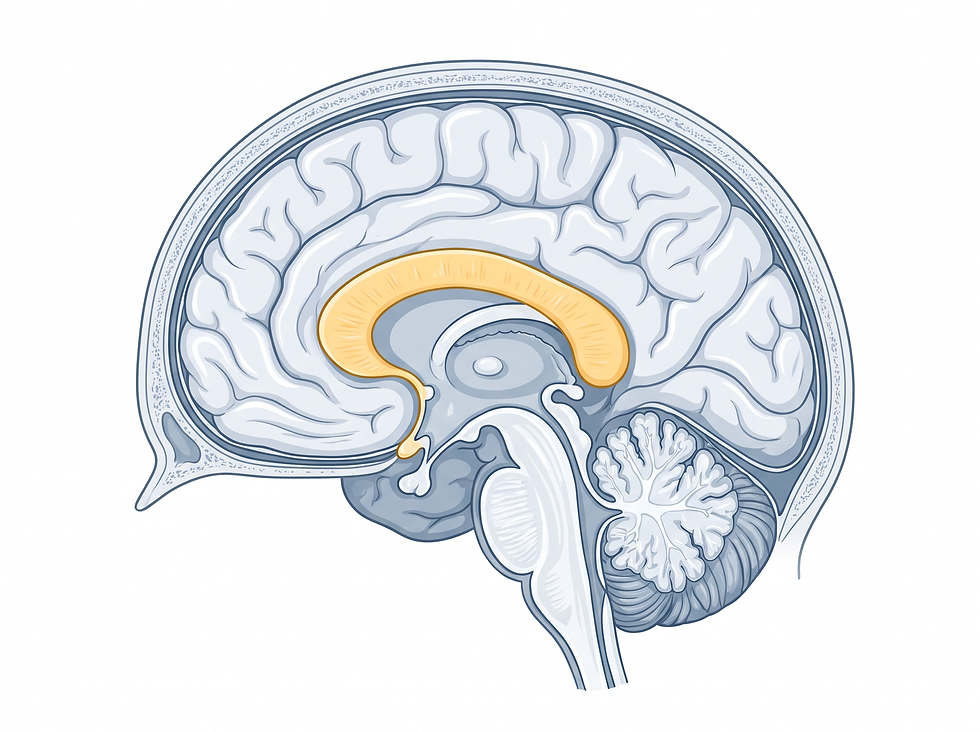
Structurally, the corpus callosum is an arch-shaped structure approximately 10 centimeters (3.9 inches) long. It is primarily composed of white matter, which consists of more than 200 million myelinated nerve fibers known as axons. These fibers are designed for rapid signal transmission, making the corpus callosum one of the most efficient communication pathways in the entire central nervous system.
The structure is divided into four anatomical regions, each responsible for connecting specific areas of the cerebral cortex. The rostrum and genu are located at the front, linking the frontal lobes associated with personality and planning. The body is the largest middle section, connecting the parietal and temporal lobes. Finally, the splenium at the rear connects the occipital lobes, which are primarily responsible for visual processing.
Conditions and Clinical Significance
When the corpus callosum is damaged or fails to develop properly, the resulting "split-brain" effect can lead to significant neurological challenges. One of the most common congenital conditions is Agenesis of the Corpus Callosum (ACC), where the structure is either partially or completely missing at birth. This condition is often linked to genetic changes and can manifest as developmental delays or intellectual disabilities.
Acquired conditions can also impact the health of this structure. Strokes, tumors, and chronic conditions like epilepsy can disrupt the flow of information between hemispheres. Additionally, the natural process of aging can slow the speed at which messages are sent across the corpus callosum, which may explain why reaction times and coordination often decrease in older adults.
Condition | Nature of Dysfunction | Common Signs |
|---|---|---|
Agenesis (ACC) | Congenital absence or underdevelopment. | Developmental delays, seizures. |
Acquired Injury | Damage from stroke, tumor, or trauma. | Coordination issues, sensory confusion. |
Age-Related Decline | Natural slowing of signal transmission. | Slower response times, reduced agility. |
Diagnosis, Treatment, and Care
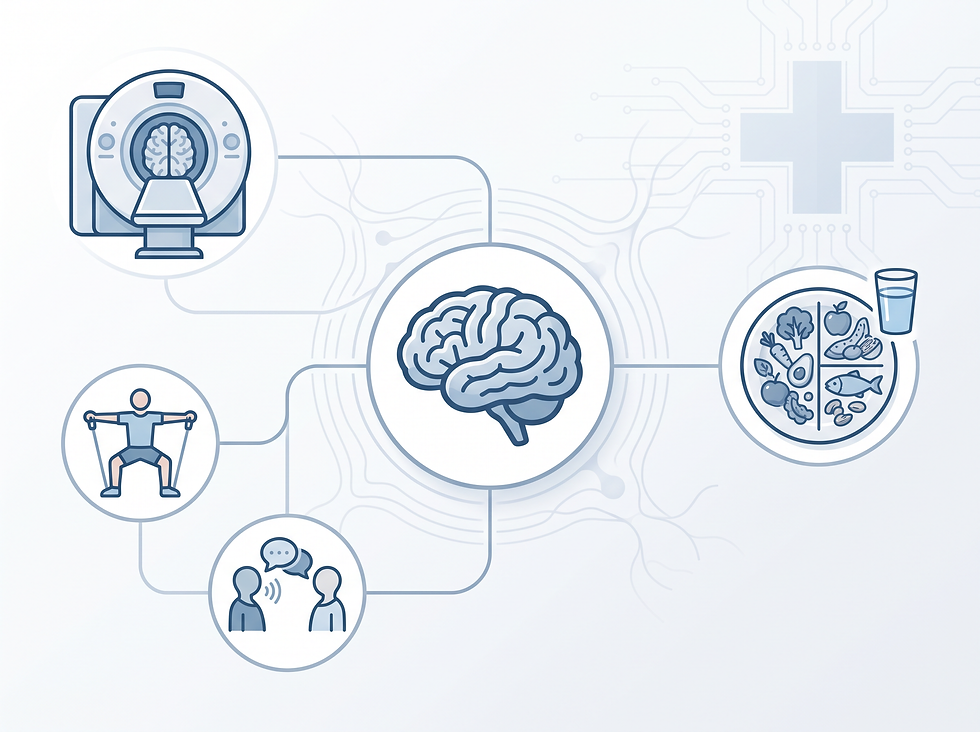
Identifying issues with the corpus callosum typically requires advanced diagnostic tools. Healthcare providers rely on Computed Tomography (CT) and Magnetic Resonance Imaging (MRI) scans to visualize the brain's internal structures in high detail. These tests can confirm whether the corpus callosum is present, intact, or showing signs of damage from external factors.
While there is no way to "regrow" a missing or severely damaged corpus callosum, many symptoms can be managed effectively through a multidisciplinary approach. Treatment plans are tailored to the individual's specific needs and may include:
Therapeutic Support: Occupational, physical, and speech therapies help individuals develop compensatory strategies for coordination and communication challenges.
Medical Management: Antiseizure medications may be prescribed if the dysfunction is associated with epilepsy.
Educational Programs: Specialized school programs can support children with developmental delays linked to congenital brain anomalies.
Lifestyle Maintenance: A balanced, nutritious diet supports overall brain health and may help preserve cognitive function during aging.
Conclusion
The corpus callosum is far more than just a bundle of nerves; it is the essential link that allows the human brain to function as a unified whole. By facilitating the constant exchange of information between hemispheres, it enables the complex behaviors and cognitive abilities that define the human experience. Whether through early intervention for congenital conditions or proactive lifestyle choices to support aging brain health, protecting this vital communication bridge is key to maintaining a high quality of life.
Next Steps for Health
If you or a loved one experiences unexplained coordination issues, significant developmental delays, or sudden changes in cognitive function, consult a neurologist for a comprehensive evaluation. Early diagnosis through neuroimaging can provide a clearer understanding of brain connectivity and open the door to supportive therapies that improve daily functioning and long-term outcomes.
Sudden changes in cognitive function, speech, movement, or sensation can be signs of a stroke, which is a medical emergency. Call your local emergency number immediately if you notice them.
Frequently Asked Questions
Q: What is the corpus callosum?
It is a large bundle of nerve fibers in the center of the brain that connects the left and right hemispheres.
Q: How many nerve fibers are in the corpus callosum?
It contains more than 200 million axons, which are myelinated nerve fibers.
Q: What is the main function of the corpus callosum?
Its primary role is to allow the two sides of the brain to communicate and coordinate their activities.
Q: What are the four parts of the corpus callosum?
The four parts are the rostrum, genu, body, and splenium.
Q: How long is the corpus callosum?
It is approximately 10 centimeters, or about 3.9 inches, in length.
Q: What is agenesis of the corpus callosum (ACC)?
It is a congenital condition where the corpus callosum is either partially or completely missing at birth.
Q: What causes ACC?
Research suggests that genetic changes or mutations are often responsible for the underdevelopment of this structure.
Q: How does aging affect the corpus callosum?
As people age, the speed at which messages are sent between the brain's hemispheres naturally slows down.
Q: What are the symptoms of corpus callosum dysfunction?
Common symptoms include difficulty with coordination, developmental delays, and challenges with multi-step instructions.
Q: Can a stroke affect the corpus callosum?
Yes, a stroke can damage the nerve fibers, leading to communication issues between the brain's hemispheres.
Q: How is a corpus callosum condition diagnosed?
Doctors typically use imaging tests like MRI or CT scans to look at the brain's structure in detail.
Q: Can you live without a corpus callosum?
Yes, individuals with agenesis can live full lives, though they may require specialized therapies to manage symptoms.
Q: What treatments are available for these conditions?
Treatments include physical, occupational, and speech therapy, as well as medications for related issues like seizures.
Q: Why is coordination difficult if the corpus callosum is damaged?
Because the two sides of the brain cannot share information efficiently, tasks requiring both hands or spatial awareness become harder.
Q: What type of brain matter makes up the corpus callosum?
It is primarily made of white matter, which consists of myelinated axons designed for signal transmission.
Disclaimer: This article is for informational purposes only and does not constitute medical advice. Consult a healthcare professional for diagnosis and treatment.
Comments