
Cervical Ripening: Preparing for a Safe Labor and Delivery

Updated: 50 minutes ago
Medically reviewed by Dr. Baraa Alnahhal, MD · Last reviewed: September 2026
TL;DR
Cervical ripening is the essential process of preparing the cervix for childbirth by making it soft, thin, and open. While it often occurs naturally, medical interventions such as medication or specialized devices may be used to facilitate the process, particularly when labor induction is necessary for the health of the mother or baby.
Quick Answer
Cervical ripening is the physiological or medical process that transforms the cervix from a firm, closed state to a soft, thin, and dilated state in preparation for vaginal delivery. This transformation allows the baby to pass through the birth canal. Healthcare providers assess the “readiness” of the cervix using the Bishop score and may recommend prostaglandins, mechanical devices like Foley balloons, or specific clinical procedures to initiate ripening if the body does not start the process naturally.
What is Cervical Ripening?
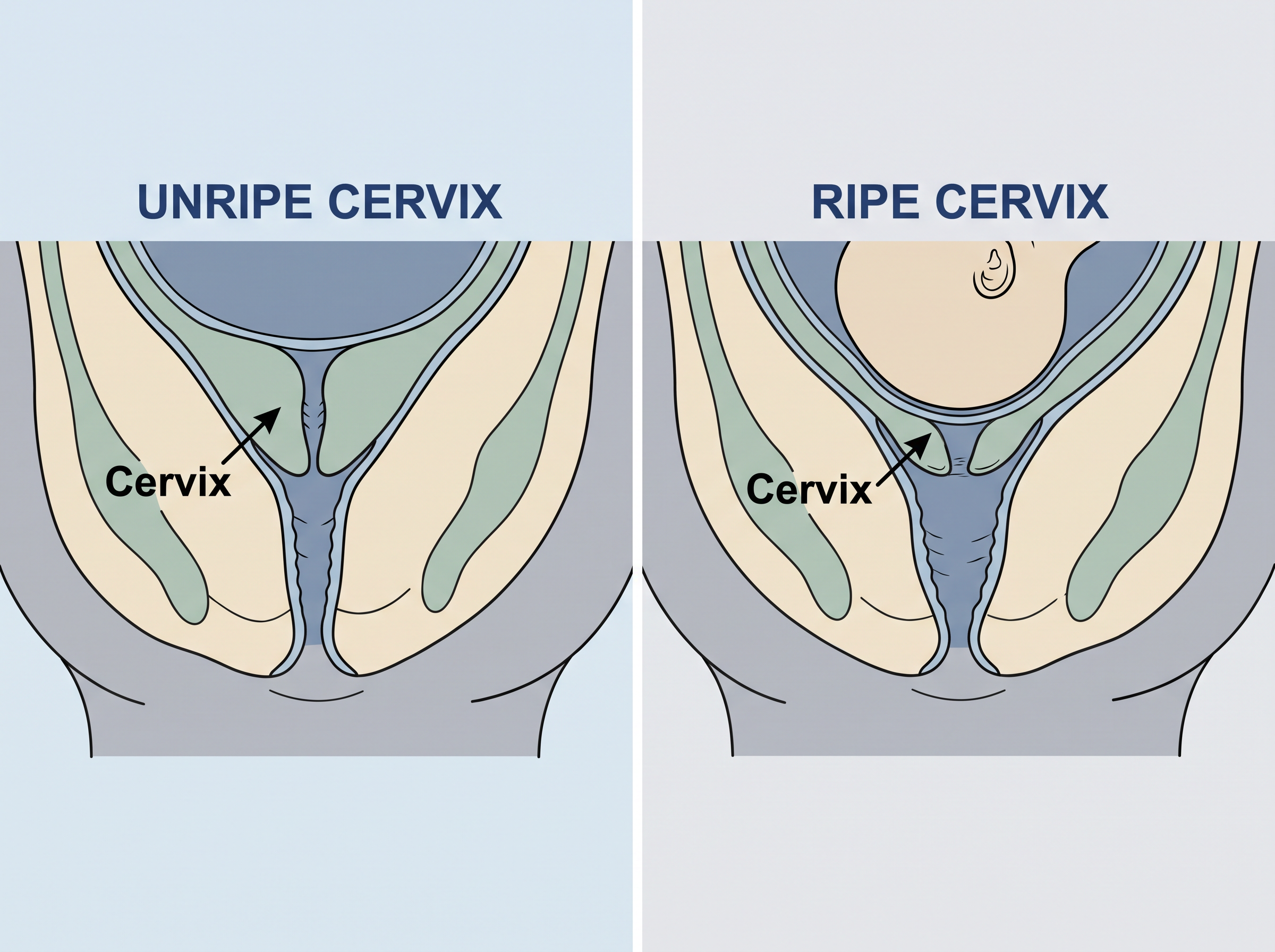
Cervical ripening is a critical phase that occurs before active labor begins. During this time, the cervix—the lower part of the uterus that opens into the vagina—undergoes significant physical changes. It transitions from being thick and tightly closed to becoming soft, thin (effaced), and dilated. These changes are necessary to create a wide enough opening for the baby’s head to pass through during a vaginal delivery.
In many cases, cervical ripening happens naturally as a result of hormonal shifts and the physical pressure exerted by the baby's head as it moves lower into the pelvis. However, if the cervix does not ripen sufficiently on its own, healthcare providers may intervene to help the process along, especially if a labor induction is planned.
Assessing Cervical Readiness: The Bishop Score
To determine whether cervical ripening is necessary, healthcare providers perform a cervical exam and use a standardized scale known as the Bishop score. This score, which ranges from 0 to 13, evaluates factors such as dilation, effacement, consistency, and position of the cervix.
A Bishop score of less than six indicates that the cervix is not yet “ripe” and that medical intervention may be needed to prepare for labor. Conversely, a score of eight or higher suggests that the body is already preparing for labor, and ripening procedures may not be required even if labor is being induced.
Understanding Bishop Score Results
Bishop Score | Interpretation | Ripening Requirement |
|---|---|---|
0 to 5 | Cervix is firm and closed (unripe). | Medical ripening is typically recommended. |
6 to 7 | Cervix is beginning to soften. | Ripening may be considered based on clinical needs. |
8 to 13 | Cervix is soft, thin, and dilating (ripe). | Ripening is generally not necessary for induction. |
Methods of Cervical Ripening
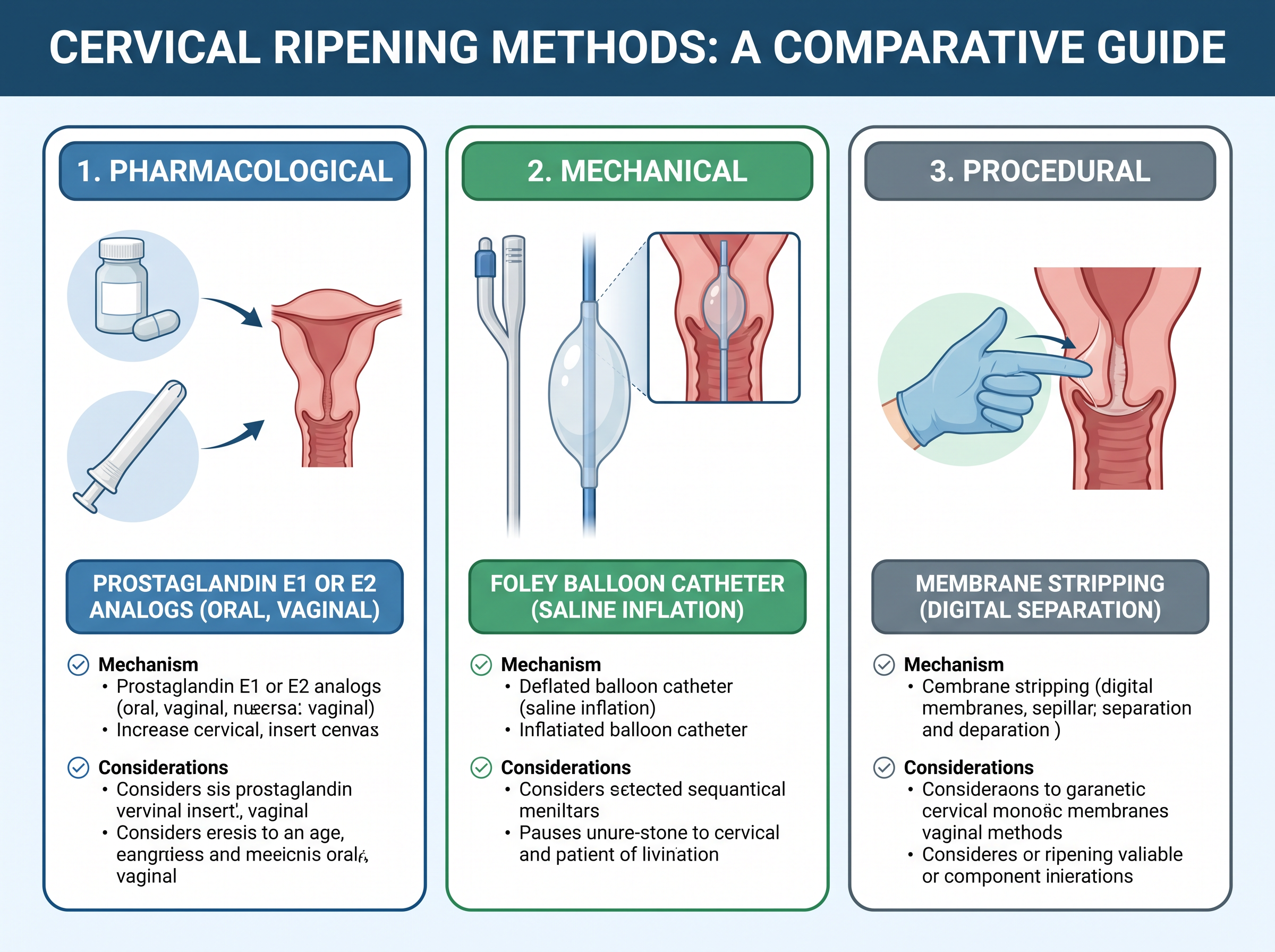
There are several clinical approaches to cervical ripening, ranging from pharmacological interventions to mechanical devices and minor procedures. The choice of method depends on the patient's health, the urgency of the delivery, and the provider's recommendation.
Pharmacological Methods
Healthcare providers often use synthetic prostaglandins to mimic the chemicals the body naturally produces to soften the cervix. These medications can also trigger the start of contractions.
Gels and Suppositories: Inserted directly into the vagina or cervix using a catheter.
Pills: Oral medications that are swallowed.
Vaginal Inserts: A tampon-like device that slowly releases medication over several hours.
Mechanical and Procedural Methods
Mechanical methods involve applying physical pressure to the cervix to stimulate the release of natural prostaglandins and encourage dilation.
Foley Balloon: A catheter with a small balloon is inserted into the cervix and inflated with saline to put pressure on the cervical walls.
Membrane Stripping: A provider manually loosens the amniotic sac from the uterine wall during a pelvic exam.
Amniotomy: The artificial rupture of membranes, commonly known as “breaking the water,” which can help initiate the ripening process. (See our full guide to amniotomy.)
Benefits and Potential Risks
Cervical ripening is primarily performed to improve the safety and efficiency of labor. By ensuring the cervix is prepared before active labor begins, providers can often reduce the overall duration of the birthing process.
Key Benefits
Shortened Labor: A ripe cervix typically leads to a faster and more straightforward delivery.
Reduced Intervention: Successful ripening may decrease the need for more intensive labor inductions or assisted deliveries using forceps or vacuum extraction.
Improved Planning: Allows for better management of high-risk pregnancies, such as those involving preeclampsia or gestational diabetes.
Potential Risks
While generally safe, each ripening method carries specific risks that should be discussed with a healthcare provider.
Medication Side Effects: These may include nausea, vomiting, fever, or diarrhea. In rare cases, medication can cause excessively long or frequent contractions.
Procedural Risks: Mechanical methods or procedures like amniotomy may carry a small risk of infection, vaginal bleeding, or changes in the fetal heart rate.
Natural Method Concerns: At-home techniques like castor oil or herbal supplements lack evidence-based support and can lead to complications like premature labor or severe dehydration.
Cervical Ripening vs. Labor Induction
It is important to distinguish between cervical ripening and labor induction, although they are closely related. Cervical ripening is the gradual process of preparing the body for labor, which can sometimes take days or weeks. Labor induction is a more immediate medical intervention designed to start labor when it is necessary for the baby to be born sooner rather than later.
Comparison of Ripening and Induction
Feature | Cervical Ripening | Labor Induction |
|---|---|---|
Primary Goal | Soften and open the cervix. | Initiate active labor and contractions. |
Timeline | Can be gradual (days or weeks). | Typically immediate and focused. |
Location | Home, office, or hospital. | Almost always in a hospital or birthing center. |
Method | Medication, devices, or natural. | Primarily medication (e.g., Pitocin). |

Conclusion
Cervical ripening is a vital step in the journey toward childbirth, ensuring that the body is physically ready for the challenges of labor. Whether it occurs naturally or through medical assistance, a ripe cervix is a key indicator of a safer and more efficient delivery process. Expectant parents should maintain open communication with their healthcare providers to understand which methods, if any, are most appropriate for their unique pregnancy.
Consult Your Provider
If you have questions about your Bishop score or the possibility of labor induction, speak with your obstetrician or midwife. They can provide personalized guidance on the ripening methods that best support a healthy outcome for you and your baby.
Frequently Asked Questions
What is cervical ripening?
It is the process where the cervix softens, thins, and opens to prepare for labor and delivery.
Why is cervical ripening necessary?
It ensures the cervix is ready to allow the baby to pass through the birth canal during delivery.
What is a Bishop score?
A scale from 0 to 13 used by providers to measure how “ripe” or ready the cervix is for labor.
Does cervical ripening hurt?
It may cause discomfort, such as cramping or pelvic pressure, but is generally not as painful as active labor.
What are prostaglandins?
Natural or synthetic chemicals that help soften the cervix and can initiate contractions.
How is a Foley balloon used for ripening?
A small balloon is inflated inside the cervix to apply pressure and encourage dilation.
Can I ripen my cervix at home?
Natural methods should only be tried after consulting a healthcare provider, as they often lack scientific evidence.
What is the difference between ripening and induction?
Ripening prepares the cervix gradually, while induction actively starts labor and contractions.
How long does cervical ripening take?
The process can vary significantly, ranging from a few hours to several days or weeks.
What is membrane stripping?
A procedure where a provider manually separates the amniotic sac from the uterus to release natural hormones.
Are there risks to cervical ripening medication?
Possible side effects include nausea, fever, and, in rare cases, overly frequent contractions.
Can cervical ripening prevent a C-section?
By facilitating a smoother vaginal delivery, it may reduce the likelihood of needing surgical intervention.
What happens if my Bishop score is low?
A low score (below 6) usually means your provider will recommend ripening techniques before induction.
Is amniotomy a form of ripening?
Yes, breaking the water can help release prostaglandins that further ripen the cervix. Read more in our guide to amniotomy.
When should I call my doctor during the ripening process?
Contact your provider immediately if you experience heavy bleeding, severe pain, or signs of premature labor. Learn more about the warning signs in our preterm labor guide.
Related Reading
References
Medical Disclaimer
The information provided is for educational purposes only and should not be used as a substitute for professional medical advice, diagnosis, or treatment. Always seek the advice of your physician or other qualified health provider with any questions you may have regarding a medical condition.
Comments