BTT Shunt: A Vital Bridge for Congenital Heart Care

Updated: 2 days ago
Medically reviewed by Dr. Baraa Alnahhal, MD · Last reviewed: September 2026
TL;DR
The Blalock-Thomas-Taussig (BTT) shunt is a surgical procedure performed on infants with congenital heart defects that restrict blood flow to the lungs. By creating a temporary connection between major arteries, it ensures the body receives enough oxygen until the child is strong enough for a permanent repair.
Quick Answer
A BTT shunt is a temporary surgical connection used to treat infants born with heart conditions that limit oxygen levels in the blood. Surgeons attach a synthetic graft between the subclavian artery and the pulmonary artery, allowing blood to reach the lungs more effectively. This procedure serves as a critical bridge, supporting the baby's growth until they can undergo a more comprehensive heart repair surgery later in infancy.
The Blalock-Thomas-Taussig (BTT) shunt, formerly known as the BT shunt, represents a milestone in pediatric cardiology. It is specifically designed for newborns who suffer from "blue baby syndrome" or other conditions where blood cannot reach the lungs to pick up oxygen. While medical technology has advanced significantly since its inception in the 1940s, the BTT shunt remains a foundational tool for stabilizing infants with complex heart structures.
The Purpose and Timing of the Procedure
The primary goal of a BTT shunt is to improve systemic oxygenation. Many congenital heart defects result in a lack of blood flow to the pulmonary artery, which is responsible for transporting blood to the lungs. Without sufficient oxygen, an infant's cells cannot function properly, often leading to a characteristic bluish tint on the skin.
Surgeons typically perform this operation within the first few days of a baby's life. It is rarely intended as a long-term solution; instead, it acts as a temporary measure to sustain the child until they are large enough to handle a more complex, permanent surgical correction. During the later repair, the BTT shunt is removed.
Conditions Requiring a BTT Shunt
A variety of heart defects may necessitate the placement of a BTT shunt to ensure survival during the early stages of life. These conditions generally involve obstructions or underdevelopment in the right side of the heart or the pulmonary vessels.
Tetralogy of Fallot (TOF): a combination of four defects that affect heart structure and oxygen flow.
Hypoplastic left heart syndrome: underdevelopment of the left side of the heart, affecting systemic circulation.
Pulmonary atresia: the valve between the heart and pulmonary artery does not form, blocking blood to the lungs.
Tricuspid atresia: the tricuspid valve is missing, preventing blood from flowing into the right ventricle.
Ebstein’s anomaly: a malformed tricuspid valve that allows blood to leak backward.
The Surgical Process: Original vs. Modified
The procedure has evolved from its original design to a "modified" version that is the standard of care today. The transition to the modified BTT shunt has improved surgical outcomes and reduced long-term complications for the infant.
The modified BTT shunt utilizes a synthetic fabric graft to connect the subclavian artery to the right pulmonary artery. This approach preserves blood flow to the infant's arm and provides the surgeon with greater flexibility during the procedure compared to the original method.
Steps of the Operation
The surgery is a complex undertaking that typically lasts several hours. The surgical team follows a precise sequence to ensure the graft is positioned and functioning correctly:
Access: The surgeon performs a sternotomy, cutting through the breastbone to reach the heart.
Exposure: The thymus gland is removed to provide a clear view of the cardiac structures.
Connection: A synthetic graft is carefully attached between the subclavian artery (near the collarbone) and the right pulmonary artery.
Verification: The team checks the graft for leaks, proper blood flow, and the presence of any clots.
Closure: Once the connection is confirmed, the chest is closed.

Figure 1: Anatomical overview of the BTT shunt, showing the synthetic graft connecting the subclavian and pulmonary arteries.
Preparation and Diagnostic Testing
Before the surgery, healthcare providers conduct a thorough evaluation to map the infant's unique heart anatomy. These tests are essential for planning the graft placement and ensuring the baby is stable enough for the procedure.
Echocardiogram: a noninvasive ultrasound to view the heart's chambers and valves.
Angiogram (CT or coronary): specialized imaging to see the detailed structure of the blood vessels.
EKG and chest X-ray: to monitor heart rhythm and check the size and position of the heart and lungs.
Blood and genetic testing: to assess overall health and identify any underlying syndromes.
Recovery and Post-Operative Care
Recovery from a BTT shunt procedure requires a significant hospital stay, usually around two weeks. The first week is typically spent in the Intensive Care Unit (ICU), where the infant is closely monitored.
Hospital stay: approximately 14 days, starting in the ICU.
Short-term medication: heparin, a blood thinner, is administered immediately after surgery to prevent clots.
Long-term medication: lifelong daily aspirin is usually required to keep the shunt open.
Follow-up care: the first appointment occurs 1–2 weeks after discharge.
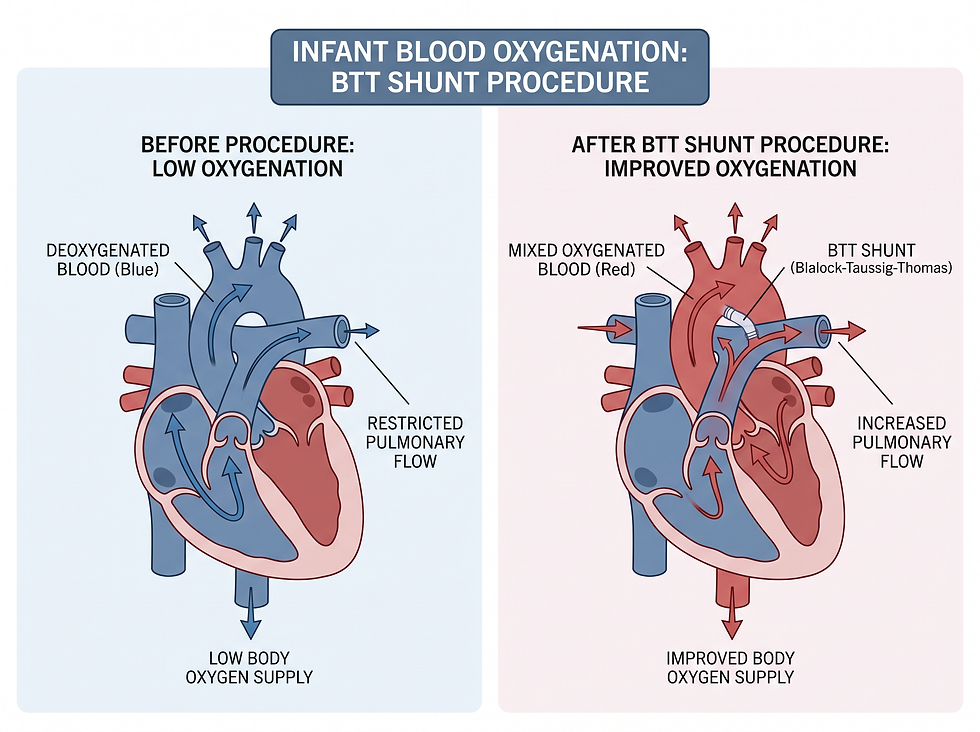
Figure 2: Comparison of blood oxygenation levels before and after the placement of a BTT shunt.
Risks and Clinical Outlook
While the BTT shunt is life-saving, it carries inherent risks that the surgical team monitors closely. The mortality rate for the procedure generally ranges between 7% and 14%, depending on the complexity of the underlying heart defect.
Potential complications include pulmonary overcirculation (too much blood reaching the lungs), the formation of blood clots within the graft, and heart rhythm abnormalities. In some cases, the nerve responsible for the voice may be affected, leading to hoarseness. Parents should seek immediate medical attention if they notice signs of infection, such as fever or redness at the incision site, or if the baby appears excessively tired or develops a bluish skin tone.
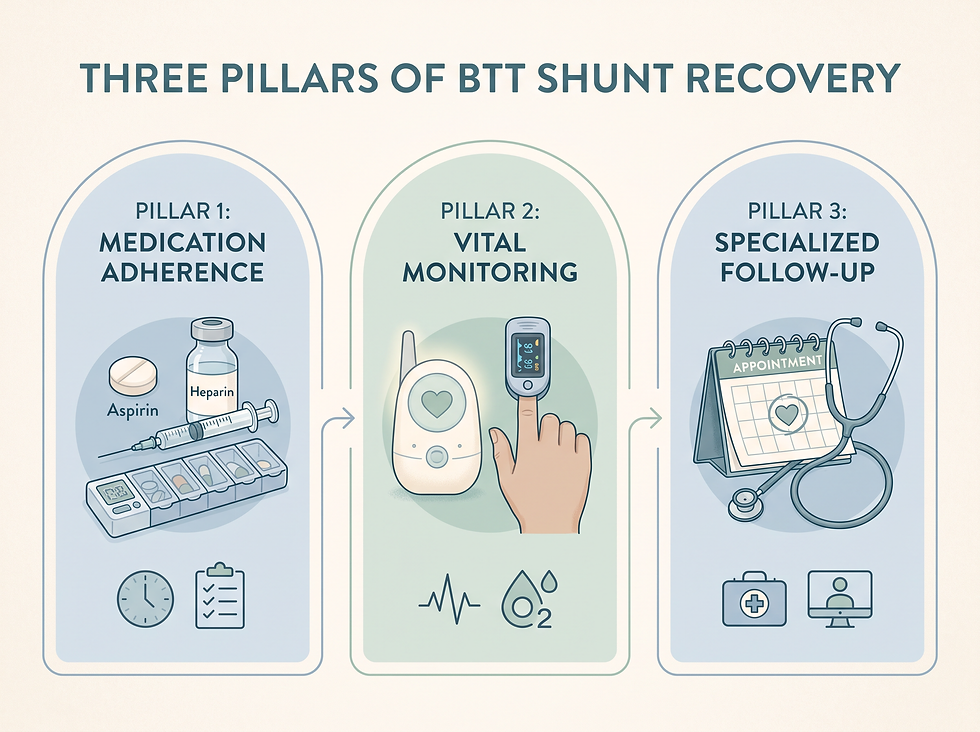
Figure 3: The three pillars of successful recovery: medication adherence, monitoring, and specialized follow-up.
Conclusion
The BTT shunt remains a critical intervention for infants born with restrictive congenital heart defects. By providing a reliable "bridge" of oxygenated blood, it allows children the time they need to grow and strengthen before undergoing permanent surgical repairs. Through careful monitoring and lifelong follow-up, many children who receive a BTT shunt go on to have successful outcomes following their definitive heart corrections.
If your child has been diagnosed with a congenital heart defect, consult with a specialized pediatric cardiothoracic surgeon to discuss the best surgical pathway. Early intervention and comprehensive post-operative care are the most effective ways to ensure your child's long-term heart health.
Frequently Asked Questions
1. What does BTT stand for?
It stands for Blalock-Thomas-Taussig, named after the three individuals who developed the procedure.
2. Is a BTT shunt permanent?
No, it is usually a temporary bridge until a more permanent heart repair can be performed.
3. How long does the surgery take?
The procedure typically lasts several hours, depending on the infant's specific anatomy.
4. Why is the thymus removed during surgery?
It is removed to allow the surgeon better access to the heart and surrounding vessels.
5. Will my child need medication forever?
Most children who receive a BTT shunt must take a daily low-dose aspirin for the rest of their lives.
6. What is a "blue baby"?
It is a term for an infant with a bluish skin tint caused by low oxygen levels in the blood.
7. When is the shunt usually removed?
It is removed during the subsequent surgery for a permanent heart repair.
8. Can a BTT shunt be the only surgery needed?
In rare cases where other repairs are not possible, it may serve as a long-term solution.
9. What is the main risk of the surgery?
Key risks include blood clots in the graft and pulmonary overcirculation.
10. How long is the ICU stay?
Infants typically spend at least one week in the ICU following the procedure.
11. What is a sternotomy?
It is a surgical procedure where the breastbone is cut to access the chest cavity.
12. Is the graft made of natural tissue?
No, the modified BTT shunt uses a synthetic fabric graft.
13. What are the signs of a failing shunt?
Signs include a return of bluish skin color, extreme lethargy, or difficulty breathing.
14. Does the surgery affect the child's voice?
There is a small risk of injury to the nerve that controls the vocal cords.
15. How common is this procedure?
It is relatively uncommon, as medical advances have provided other surgical options for many defects.
Medical Disclaimer: The information provided in this article is for educational purposes only and is not intended as medical advice. Always seek the advice of your physician or other qualified health provider with any questions you may have regarding a medical condition or treatment.
Comments