AL Amyloidosis: The Rare Disease Where Mutated Light Chain Proteins Clog Your Heart, Kidneys, and Other Organs

Updated: 2 days ago
Medically reviewed by Dr. Baraa Alnahhal, MD · Last reviewed: September 2026
AL Amyloidosis: The Rare Disease Where Mutated Light Chain Proteins Clog Your Heart, Kidneys, and Other Organs
TL;DR: AL amyloidosis (amyloid light chain, or primary amyloidosis) is a rare plasma cell disorder in which a single mutated plasma cell multiplies uncontrollably and floods the body with excess light chain proteins. These proteins misfold and clump into amyloid fibrils that deposit on organs — most often the heart and/or kidneys — where they cause significant, potentially life-threatening damage. It affects roughly 9 to 14 in 1 million people in the United States, more males than females, typically from age 60 onward, with 64 as the median age at diagnosis. Diagnosis centers on biopsies of affected organs, and treatment combines chemotherapy (usually one or two drugs), steroids, immunotherapy, and sometimes a bone marrow or stem cell transplant. If diagnosed and treated early, AL amyloidosis may become a manageable chronic disease; untreated, it can be fatal.
Quick Answer:
AL amyloidosis is a type of the rare disorder amyloidosis (pronounced am-uh-loy-doh-sis) in which light chain proteins — pieces of infection-fighting antibodies made by plasma cells in the bone marrow — mutate, misfold, and gather on organs.
It is rare: an estimated 9 to 14 in 1 million people in the United States are affected, and 5 to 12 in 1 million worldwide; it affects more males than females and typically strikes people aged 60 and older, with a median diagnosis age of 64.
It usually affects the heart and/or kidneys, but can also involve the stomach, intestine, nerves, and skin — producing slow-developing symptoms that mimic less serious illnesses, from a purple rash around the eyes and an enlarged tongue to bubbly urine and shortness of breath.
Treatment uses chemotherapy, immunotherapy, and steroids (most people take one or two chemotherapy drugs plus a steroid) to destroy the plasma cells producing light chains, and sometimes a bone marrow or stem cell transplant; treated early, the disease may become chronic and manageable.
What Is AL Amyloidosis?
AL amyloidosis (amyloid light chain, or primary amyloidosis) is one type of the rare disorder amyloidosis (pronounced am-uh-loy-doh-sis). The condition happens when plasma cells in your bone marrow change or mutate and produce abnormal proteins. These abnormal proteins become twisted clumps of misshapen material that gather on your organs and tissues.
In AL amyloidosis specifically, the proteins that mutate are light chain proteins. Light chain proteins are pieces of an infection-fighting antibody made by plasma cells in your bone marrow. The disease typically affects your heart and/or your kidneys, but it may also affect your stomach, intestine, nerves, and skin.
The outcome depends heavily on timing. If diagnosed and treated early, AL amyloidosis may become a chronic disease that providers manage with medication. Left untreated, it leads to life-threatening conditions that may be fatal.
| AL amyloidosis fact | Detail | | --- | --- | | Category | One type of amyloidosis; also called primary amyloidosis | | What mutates | Light chain proteins from plasma cells in bone marrow | | Most affected organs | Heart and/or kidneys | | Also may affect | Stomach, intestine, nerves, skin | | If treated early | May become a manageable chronic disease | | If untreated | Leads to life-threatening, potentially fatal conditions |
What Does "AL" Mean in AL Amyloidosis?
There are several types of amyloidosis, and each type is named for the abnormal protein that causes the disease. In AL amyloidosis, A stands for amyloidosis and L stands for light chain — the protein that mutates and causes the disorder.
Two other common types are worth distinguishing. AA amyloidosis is caused by serum amyloid A protein. ATTR (transthyretin) amyloidosis involves the transthyretin protein. All three share the amyloid-deposit mechanism but differ in the culprit protein.
| Amyloidosis type | Abnormal protein | | --- | --- | | AL amyloidosis | Light chain protein | | AA amyloidosis | Serum amyloid A protein | | ATTR amyloidosis | Transthyretin protein |
How Does AL Amyloidosis Affect Your Body?
AL amyloidosis is a plasma cell disorder. Plasma cells are part of your immune system and make the antibodies that fight infection. Under normal conditions, every plasma cell divides repeatedly to make new cells — exact replicas of the original plasma cell. Your body produces thousands of different plasma cell clones, each creating specific antibodies dedicated to fighting various infectious intruders.
In plasma cell disorders, this balance breaks. One plasma cell multiplies uncontrollably, making thousands of single antibodies instead of a controlled, diverse response.
In AL amyloidosis specifically, the misbehaving plasma cells make too many light protein chains. The excess light chains misfold and clump together, forming amyloid fibrils that end up in your organs, where they can cause significant and life-threatening damage.
How Common Is AL Amyloidosis?
Amyloidosis is a relatively rare disease. An estimated 9 to 14 in 1 million people in the United States are affected, and 5 to 12 in 1 million people worldwide.
The condition also has a clear demographic pattern. AL amyloidosis affects more males than females. It typically affects people aged 60 and older, and 64 is the median age at diagnosis.
| Demographic factor | Pattern | | --- | --- | | US prevalence | 9 to 14 in 1 million people | | Worldwide prevalence | 5 to 12 in 1 million people | | Sex | More males than females | | Typical age | 60 and older | | Median age at diagnosis | 64 |
What Are the Symptoms of AL Amyloidosis?
AL amyloidosis may affect many parts of your body, from your head and neck to your limbs and organs. Two features make it tricky: many symptoms resemble other, less serious illnesses, and they develop slowly — so you might not notice the changes in your body right away.
Symptoms That Affect Your Head and Neck
Head and neck involvement can show up as a feeling of lightheadedness when you stand up. Some people develop a purple-colored rash around their eyes or on their eyelids. Another distinctive sign is a tongue that is larger than normal.
Symptoms That Affect Your Arms and Legs
In your arms, you may notice numbness, burning, or tingling sensations, which may be symptoms of peripheral neuropathy. Tingling and numbness in your fingers may also point to carpal tunnel syndrome.
In your feet and legs, watch for swollen feet or legs and weak legs. You may also bruise or bleed more easily than usual, and the folds in your skin may look purple.
Symptoms That May Signal Heart and Lung Problems
Heart and lung symptoms include heart palpitations (a sense that your heart is racing or pounding faster than normal) and shortness of breath (a feeling that your chest is tight or you cannot take a deep breath). Fatigue — feeling exhausted or drained, as if you are too tired to get through your daily activities — is another key sign.
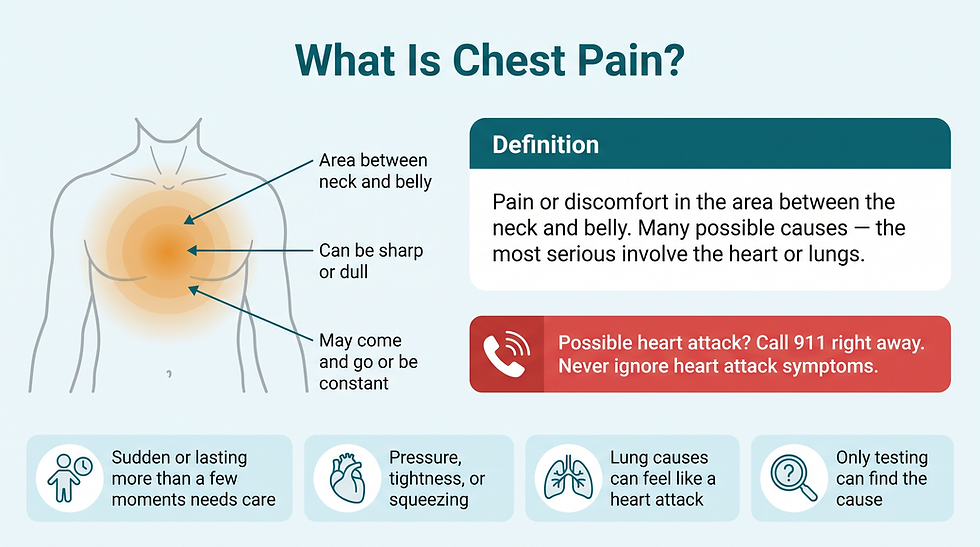
Chest pain deserves special attention. Chest pain may be a sign of a heart attack, so call 911 or have someone take you to the emergency room if you have chest pain that lasts for five minutes or more and does not go away when you rest or take medication.
Symptoms That May Signal Stomach or Intestinal Problems
AL amyloidosis may affect your eating habits and digestion. Poor appetite that lasts for several days for no reason may be a symptom of intestinal problems linked to the disease. Bloating or excessive gas buildup may signal stomach trouble. Constipation (fewer than three bowel movements a week) that lasts longer than three weeks should be discussed with your provider, and persistent watery diarrhea should be evaluated as well.
Symptoms That May Signal Kidney or Bladder Problems
Kidney involvement may change how your urine looks or how often you need to go. You may notice more bubbles in your pee than usual, or find yourself peeing less than usual or getting up at night to pee.
What Causes AL Amyloidosis?
The cause traces back to a single runaway plasma cell. In AL amyloidosis, plasma cells that normally make antibodies from heavy and light protein chains instead produce too many light protein chains. The light chains misfold and clump together, forming amyloid fibrils that end up in your organs.
A single plasma cell makes a clone that multiplies uncontrollably. Because this mutation happens spontaneously at the cellular level, the disease is not caused by diet, behavior, or contagion.
How Do Healthcare Providers Diagnose AL Amyloidosis?
Providers may use several different tests to diagnose AL amyloidosis, but the most useful test is taking samples of the organ or organs affected by it.
Biopsies form the diagnostic core. A bone marrow biopsy removes a small sample of bone marrow from inside a bone. A kidney biopsy removes a few small pieces of tissue. A heart biopsy removes a few small pieces of heart muscle. A fat pad biopsy removes a small piece of fat tissue from your abdomen.
| Biopsy type | What is sampled | | --- | --- | | Bone marrow biopsy | Small sample of bone marrow from inside a bone | | Kidney biopsy | A few small pieces of kidney tissue | | Heart biopsy | A few small pieces of heart muscle | | Fat pad biopsy | Small piece of fat tissue from the abdomen |
Additional Tests
Beyond biopsy, providers run tests to see how well your organs are working. Blood tests check your kidneys, heart, liver, and the number of light chains in your blood. A urine test — usually a 24-hour urine collection done at home — shows whether your kidneys are affected by amyloidosis.
Heart assessments complete the picture. An electrocardiogram (EKG) measures heart electrical activity. An echocardiogram (sometimes called an ultrasound of the heart) uses high-frequency sound waves to measure your heart's movement. A cardiac MRI shows detailed pictures of your heart.
| Test | What it checks | | --- | --- | | Blood tests | Kidneys, heart, liver, light chain count in blood | | 24-hour urine collection | Whether kidneys are affected | | EKG | Heart electrical activity | | Echocardiogram | Heart movement (ultrasound) | | Cardiac MRI | Detailed heart images |
How Do Healthcare Providers Treat AL Amyloidosis?
Providers treat AL amyloidosis with medication and other treatments that do three jobs: ease your symptoms, address any organ damage, and slow down or stop the process causing your body to produce too many amyloids.
The medication arsenal includes chemotherapy, immunotherapy, and steroids. Most people take one or two chemotherapy drugs plus steroid medication. The drugs work together to destroy the plasma cells that make light chain proteins — cutting the disease off at its source.
One crucial limitation shapes expectations: medication can slow or stop AL amyloidosis from getting worse, but treatment does not remove the fibrils already in your organs. After treatment starts, your own immune system can remove these abnormal proteins. Researchers are evaluating new monoclonal antibodies that may be able to remove fibrils directly.
Your provider may also discuss whether you may benefit from a bone marrow or stem cell transplant.
What Is the Life Expectancy for AL Amyloidosis?
Healthcare providers are helping people live longer with AL amyloidosis. For some people, AL amyloidosis is a long-term or chronic disease that providers can manage with medication. But it is a very serious disease that may cause life-threatening medical conditions.
Because AL amyloidosis is rare, it is difficult for providers to obtain enough information about life expectancy for someone with the condition. If you have AL amyloidosis, ask your healthcare provider about your prognosis or potential outcome after treatment — your provider is your best resource for what you can expect.
| Prognosis factor | Detail | | --- | --- | | With early treatment | May become a manageable chronic disease | | Without treatment | Life-threatening conditions that may be fatal | | Life expectancy data | Limited, because the disease is rare | | Best resource | Your own healthcare provider, who knows your case |
Can You Prevent AL Amyloidosis?
No, you cannot prevent AL amyloidosis or other forms of amyloidosis. The disease happens when a single plasma cell makes a clone that begins to multiply uncontrollably — a spontaneous cellular event rather than something lifestyle choices can stop.
How Do You Take Care of Yourself With AL Amyloidosis?
If you have AL amyloidosis, your provider focuses on treating your symptoms and slowing or stopping the disease's progress. You may need ongoing medical treatments that have different side effects. One key self-care step is learning about treatment side effects and how to manage them.
Beyond medication management, four habits support daily life. Some treatments affect your appetite — if that describes your situation, ask your provider about healthy eating habits so you can stay strong through treatment. Rest matters, so try to get enough of it. Exercise boosts your spirits and supports a healthy weight, but ask your provider to recommend exercises that will not put too much strain on your body.
Finally, recognize the emotional side. AL amyloidosis is a rare disease, and you may feel lonely or isolated because you have an illness other people do not understand. Ask your provider to recommend support groups or programs for people with AL amyloidosis.
| Self-care step | Why it helps | | --- | --- | | Learn treatment side effects and how to manage them | Keeps you strong through ongoing therapy | | Ask about healthy eating habits if treatments affect appetite | Supports strength during treatment | | Get enough rest | Supports recovery and daily function | | Exercise as your provider recommends | Boosts mood and supports healthy weight | | Ask about support groups | Counters the isolation of a rare disease |
Conclusion: Early Diagnosis Turns a Rare Disease Into a Manageable One
AL amyloidosis is rare — roughly 9 to 14 in 1 million Americans — but its symptom pattern is consistent enough to recognize. A plasma cell that mutates and multiplies uncontrollably floods the body with light chain proteins, which misfold into fibrils that deposit on the heart, kidneys, and other organs. The telltale signals include an enlarged tongue, a purple eyelid rash, bubbly urine, swollen legs, easy bruising, shortness of breath, and tingling in the hands — symptoms that develop slowly and mimic less serious conditions, which is exactly why they get missed.
The encouraging reality: diagnosed and treated early, AL amyloidosis may become a chronic disease managed with medication.
Your next step: If you are over 60 and notice persistent symptoms from several of the body areas above — especially bubbly urine, swollen legs, and shortness of breath together — make an appointment with your healthcare provider and ask specifically about a light chain workup, a 24-hour urine collection, and referral to a specialist experienced in plasma cell disorders. Ask about clinical trials and research into new treatments.
Frequently Asked Questions
What is AL amyloidosis? AL amyloidosis (amyloid light chain, or primary amyloidosis) is a rare disorder in which mutated plasma cells in the bone marrow produce too many light chain proteins. These proteins misfold and clump into amyloid fibrils that gather on organs and tissues, most often the heart and/or kidneys.
What does AL stand for? In AL amyloidosis, A stands for amyloidosis and L stands for light chain — the protein that mutates and causes the disorder. Each amyloidosis type is named for its abnormal protein, alongside AA (serum amyloid A) and ATTR (transthyretin) amyloidosis.
How common is AL amyloidosis? Amyloidosis affects an estimated 9 to 14 in 1 million people in the United States and 5 to 12 in 1 million worldwide. AL amyloidosis affects more males than females, typically strikes people aged 60 and older, and the median age at diagnosis is 64.
What are the symptoms of AL amyloidosis? Symptoms vary by body area: lightheadedness on standing, purple rash around the eyes, and an enlarged tongue in the head and neck; numbness, burning, tingling, and finger numbness in the arms; swollen or weak legs and easy bruising in the legs and feet; palpitations, shortness of breath, chest pain, and fatigue from the heart and lungs; poor appetite, bloating, constipation, or diarrhea from the digestive tract; and bubbly urine or nighttime urination from the kidneys and bladder.
How is AL amyloidosis diagnosed? The most useful test is biopsy of the affected organ — bone marrow, kidney, heart, or abdominal fat pad. Providers also run blood tests (kidneys, heart, liver, light chain count), a 24-hour urine collection, an EKG, an echocardiogram, and a cardiac MRI to assess organ function.
Can AL amyloidosis be treated? Yes. Providers use chemotherapy, immunotherapy, and steroids — most people take one or two chemotherapy drugs plus a steroid — to destroy the plasma cells producing light chains, and may recommend a bone marrow or stem cell transplant. Treatment stops new fibril buildup but does not remove fibrils already in the organs; your immune system can remove them after treatment starts.
Is AL amyloidosis curable or chronic? If diagnosed and treated early, AL amyloidosis may become a chronic disease that providers manage with medication. Left untreated, it leads to life-threatening conditions that may be fatal. Exact life expectancy is hard to pin down because the disease is so rare — your provider is the best resource for your prognosis.
Can AL amyloidosis be prevented? No. AL amyloidosis cannot be prevented. It happens when a single plasma cell makes a clone that begins to multiply uncontrollably — a spontaneous event that no lifestyle choice can stop.
Related Reading
Explore more in-depth guides on this topic:
References
Baker KR. Light Chain Amyloidosis: Epidemiology, Staging, and Prognostication. Methodist DeBakey Cardiovasc J. 2022;18(2):27-35: https://www.ncbi.nlm.nih.gov/pmc/articles/PMC8932379/
Bustamante JG, Zaidi SRH. Amyloidosis. StatPearls [Internet] (updated 2022 Feb 9): https://www.ncbi.nlm.nih.gov/books/NBK470285/
Fotiou D, Theodorakakou F, Kastritis E. Biomarkers in AL Amyloidosis. Int J Mol Sci. 2021;22(20):10916: https://www.ncbi.nlm.nih.gov/pmc/articles/PMC8536050/
Merck Manual (Consumer Version). Overview of Plasma Cell Disorders: https://www.merckmanuals.com/home/blood-disorders/plasma-cell-disorders/overview-of-plasma-cell-disorders
National Institute of Diabetes and Digestive and Kidney Diseases. Amyloidosis and Kidney Disease: https://www.niddk.nih.gov/health-information/kidney-disease/amyloidosis
National Organization for Rare Disorders. Amyloidosis: https://rarediseases.org/rare-diseases/amyloidosis/
Medical disclaimer: This article is for informational purposes only and does not constitute medical advice, diagnosis, or treatment. Always seek the guidance of a qualified healthcare provider with any questions regarding a medical condition or treatment plan. Never disregard professional medical advice or delay seeking it because of something you have read here. If you have chest pain lasting five minutes or more that does not go away with rest or medication, call 911 immediately.


Comments