Widening the Upper Jaw: What to Expect from a Palate Expander

Updated: 2 days ago
Medically reviewed by Dr. Baraa Alnahhal, MD · Last reviewed: September 2026
TL;DR: A palate expander is an orthodontic device used to widen a narrow upper jaw by gradually separating the two halves of the jawbone. It is most effective in children whose bones are still developing but can also benefit teens and adults. The process involves wearing a fixed or removable device for several weeks to months, followed by a retention period to allow new bone to fuse.
Quick answer: A palate expander is an oral appliance designed to treat dental crowding, crossbites, and misaligned jaws by widening the upper arch. It works by applying gentle, steady pressure to the two halves of the palate, encouraging them to move apart while new bone fills the gap. While most common in children aged 7 to 8, it can be used at any age to create space for teeth and improve overall bite alignment.
Understanding the Palate Expander
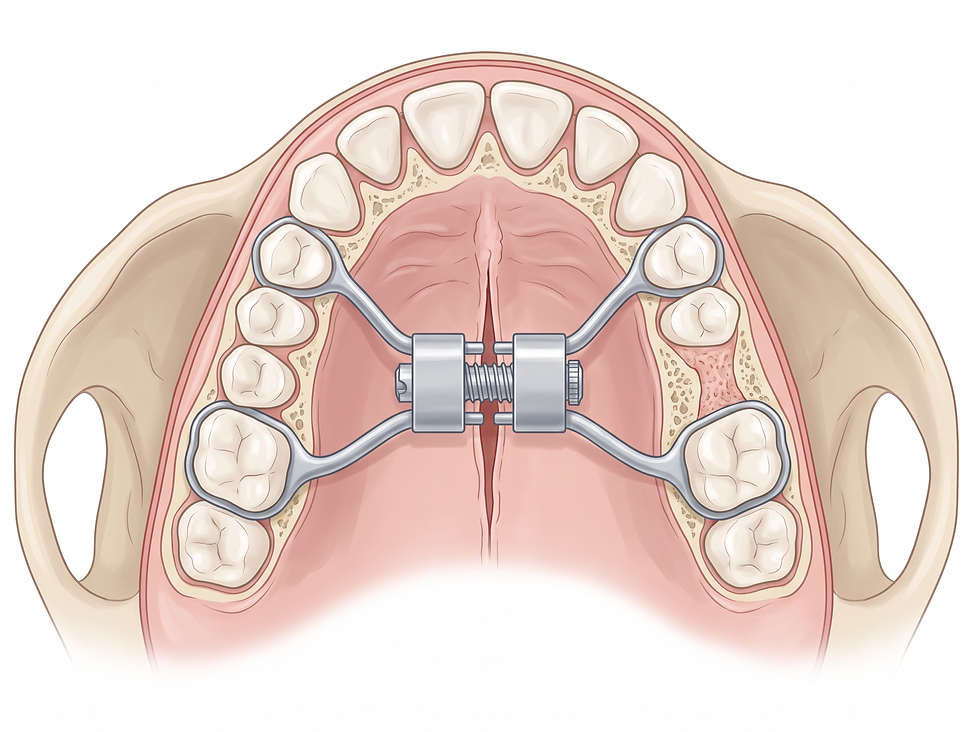
A palate expander, often referred to as an orthodontic or palatal expander, is a specialized dental tool that addresses skeletal issues in the upper jaw. Unlike braces, which primarily move individual teeth, an expander focuses on the underlying bone structure. It is custom-fitted to the roof of the mouth and works by targeting the mid-palatal suture—the line where the left and right sides of the palate meet.
The device is particularly effective in younger patients because their jawbones are not yet fully fused, allowing for easier skeletal modification. By widening the jaw, the expander creates necessary space for permanent teeth to erupt correctly and ensures that the upper and lower teeth fit together properly when biting or chewing.
Common Indications for Use
Orthodontists recommend palate expanders to correct a variety of dental and skeletal conditions. The primary goal is to resolve issues stemming from a narrow upper arch, which can lead to functional and aesthetic concerns.
Crossbite: Description: Upper teeth sit inside the lower teeth when biting; Goal of Expansion: Align the upper arch to fit outside the lower arch.
Crowding: Description: Not enough space in the jaw for all permanent teeth; Goal of Expansion: Create room for teeth to align without extractions.
Impacted Teeth: Description: Teeth that cannot erupt because other teeth block them; Goal of Expansion: Open space for the impacted tooth to emerge.
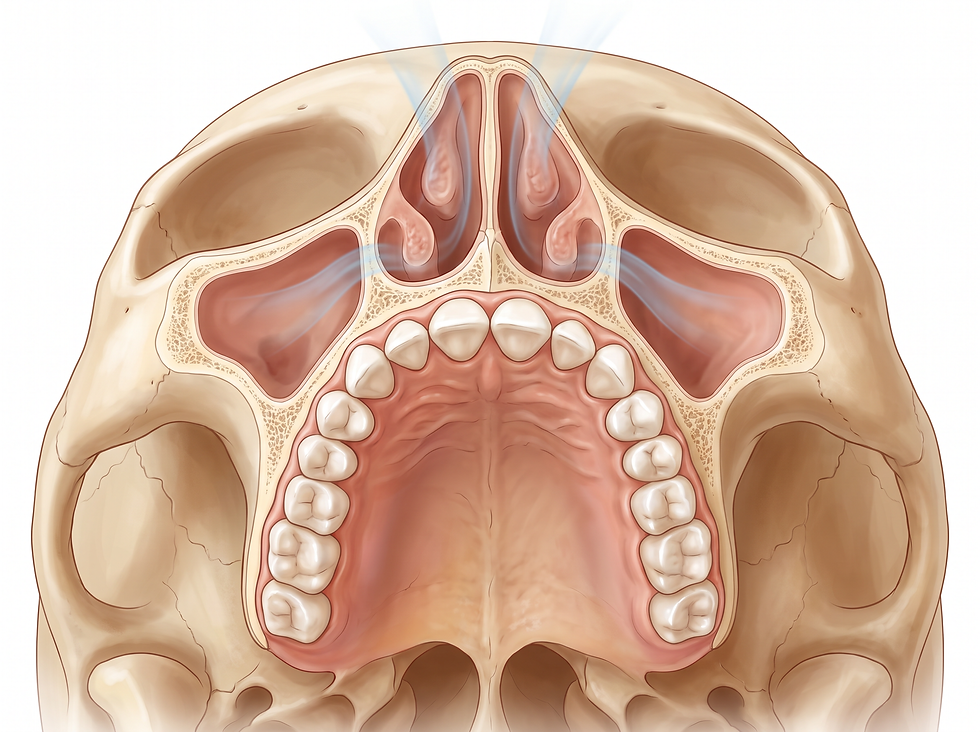
Sleep Apnea: Description: Narrow airways contributing to breathing issues during sleep; Goal of Expansion: Widen the nasal cavity to improve airflow resistance.
Types of Palate Expanders
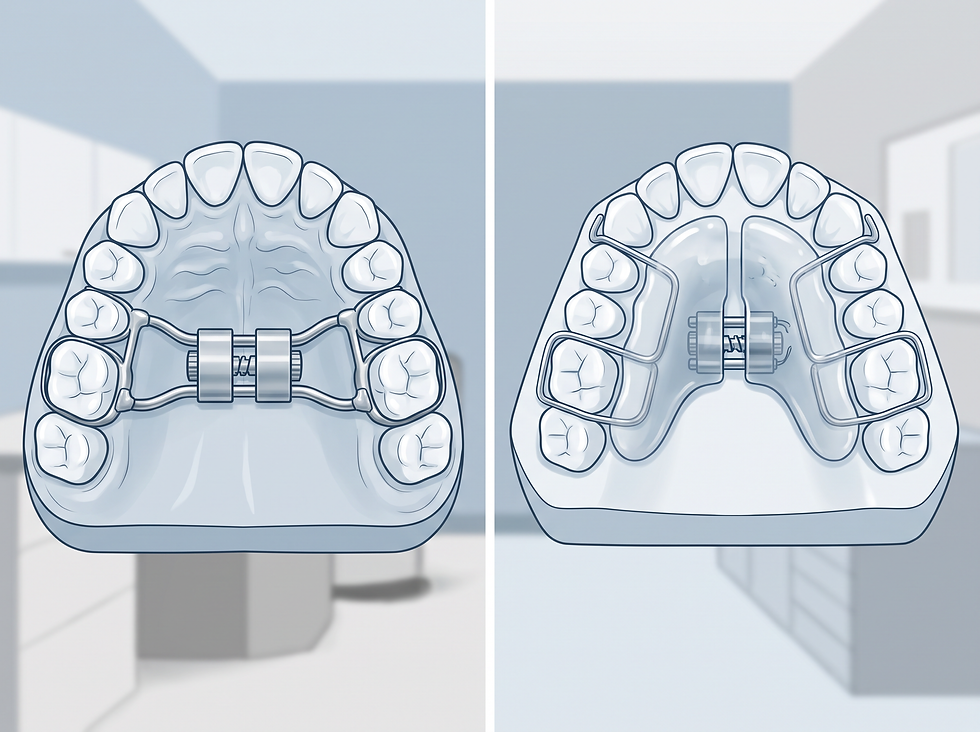
The choice of expander depends on the patient's age, the severity of the jaw narrowing, and specific treatment goals. Devices can be either fixed (permanently attached for the duration of treatment) or removable.
Rapid Palate Expander (RPE): This is a fixed device attached to the back upper teeth. It features a central screw that the patient or parent turns daily using a special key. It can widen the jaw at a rate of approximately 0.5 millimeters per day.
Removable Palate Expander: Similar in appearance to a retainer, this device is used for patients who only require a small amount of jaw widening.
Surgically Assisted Rapid Palate Expander (SARPE): Reserved for adults or severe cases, this involves an oral surgeon placing the expander directly into the palatal suture to facilitate movement in fully developed bone.
Implant-Supported Expander: Often used for teens and adults, this device applies pressure directly to the jawbone through mini dental implants rather than relying on the teeth for support.
The Treatment Process and Recovery
The expansion phase typically lasts between a few weeks and several months. In children, desired results are often achieved in two to three months, while adults may require up to a year. Once the jaw has reached the target width, the device is not immediately removed.
Active Expansion: Estimated Duration: 1 – 3 Months; Primary Activity: Turning the expansion screw to widen the jaw.
Bone Fusion: Estimated Duration: 4 – 6 Months; Primary Activity: Keeping the device in place to allow new bone to strengthen.
Retention: Estimated Duration: Varies; Primary Activity: Using a retainer to maintain the new jaw width.
During the first few days of wearing a new expander or after turning the expansion key, patients may experience minor discomfort or tenderness. This can usually be managed with over-the-counter pain relievers. Other temporary side effects include increased drooling, a slight lisp, or headaches as the jaw adjusts to the pressure.
Long-Term Benefits and Maintenance
One of the most significant advantages of using a palate expander early in life is the potential to avoid more invasive oral surgeries later. It also works seamlessly with other orthodontic tools like braces or headgear to achieve a functional and healthy smile.
Maintenance is crucial for preventing oral health issues during treatment. Because the device sits against the roof of the mouth, food particles and plaque can easily become trapped. Daily, thorough cleaning is necessary to prevent a bad taste, unpleasant odor, or tooth decay.
Conclusion
A palate expander is a powerful tool for correcting skeletal jaw issues and ensuring a healthy dental future. By widening the upper jaw, it provides the foundation for proper tooth alignment and improved respiratory function. Whether used as a standalone treatment or in conjunction with braces, it offers a reliable path to a functional and confident smile.
Next Steps
If you suspect that you or your child could benefit from a palate expander, the first step is a consultation with a dentist or orthodontist. They will perform a comprehensive evaluation of the jaw structure and bite to determine if expansion is necessary. Early intervention is often key to achieving the best results with the least invasive methods.
Frequently Asked Questions (FAQ)
What is the best age to get a palate expander?
Orthodontists often recommend starting treatment around age 7 or 8, while the jaw is still developing.
Does a palate expander hurt?
It may cause minor discomfort or pressure for a few days, which is manageable with standard pain relievers.
Will a palate expander change my face shape?
It widens the jaw but does not change the actual appearance of your facial features.
How long do I have to wear it?
The active phase lasts a few months, followed by 4 to 6 months of retention to allow bone fusion.
Can adults use palate expanders?
Yes, though it may take longer and sometimes requires surgical assistance or implants.
How do I clean my palate expander?
Use a toothbrush and water to clean the device daily, ensuring no food is trapped in the screw or wires.
Will I have a gap between my teeth?
A temporary gap often forms between the front teeth as the jaw widens, which is later corrected with braces.
Can I eat normally with an expander?
Yes, though you should avoid very sticky or hard foods that could damage the device.
How often do I turn the key?
Your orthodontist will provide a specific schedule, typically once or twice a day during the active phase.
Does it affect speech?
A temporary lisp is common as you adjust to the device, but speech usually returns to normal within a week.
Can a palate expander help with snoring?
By widening the nasal cavity and improving airflow, it may reduce symptoms of obstructive sleep apnea.
What happens if I forget to turn the key?
Contact your orthodontist; do not try to "catch up" by turning it multiple times at once.
Is the expansion permanent?
Yes, once the new bone has fused and the retention phase is complete, the jaw width is permanent.
What are the signs of a problem?
Call your provider if you experience severe pain, the device becomes loose, or you notice persistent sores.
Can I play sports with a palate expander?
Yes, but it is recommended to wear a mouthguard to protect both the device and your teeth.
Medical disclaimer: The information provided in this article is for educational purposes only and should not be considered medical advice. Always consult with a qualified dentist or orthodontist for diagnosis and treatment of dental conditions.
Source date: June 30, 2022. This article is current based on the most recent available data from the primary source.
Comments