Understanding the Baroreceptor Reflex: How Your Body Manages Blood Pressure

Updated: 2 days ago
Medically reviewed by Dr. Baraa Alnahhal, MD · Last reviewed: September 2026

TL;DR
The baroreceptor reflex is a rapid physiological response that stabilizes blood pressure during abrupt changes, such as standing up. By sensing the stretch of artery walls, specialized nerve endings signal the brain to adjust heart rate and blood vessel diameter. This complex system ensures that blood flow remains consistent, protecting vital organs from sudden pressure fluctuations.
Quick Answer
The baroreceptor reflex is a vital mechanism that regulates short-term blood pressure changes within a few heartbeats. Specialized sensors called baroreceptors, located in the heart and major arteries, detect changes in the stretch of blood vessel walls. When blood pressure drops—such as when moving from sitting to standing—the reflex triggers the brain to tighten blood vessels and increase heart rate, quickly restoring pressure to a normal range.
Overview of the Baroreceptor Reflex
The baroreceptor reflex serves as the body’s most critical short-term regulator of blood pressure. It is a highly efficient system that operates almost instantaneously, often correcting pressure imbalances within the span of just one or two heartbeats. This reflex is particularly important during postural transitions, ensuring that adequate blood flow reaches the brain when a person stands up quickly after lying down or sitting.
How the Reflex Mechanism Works
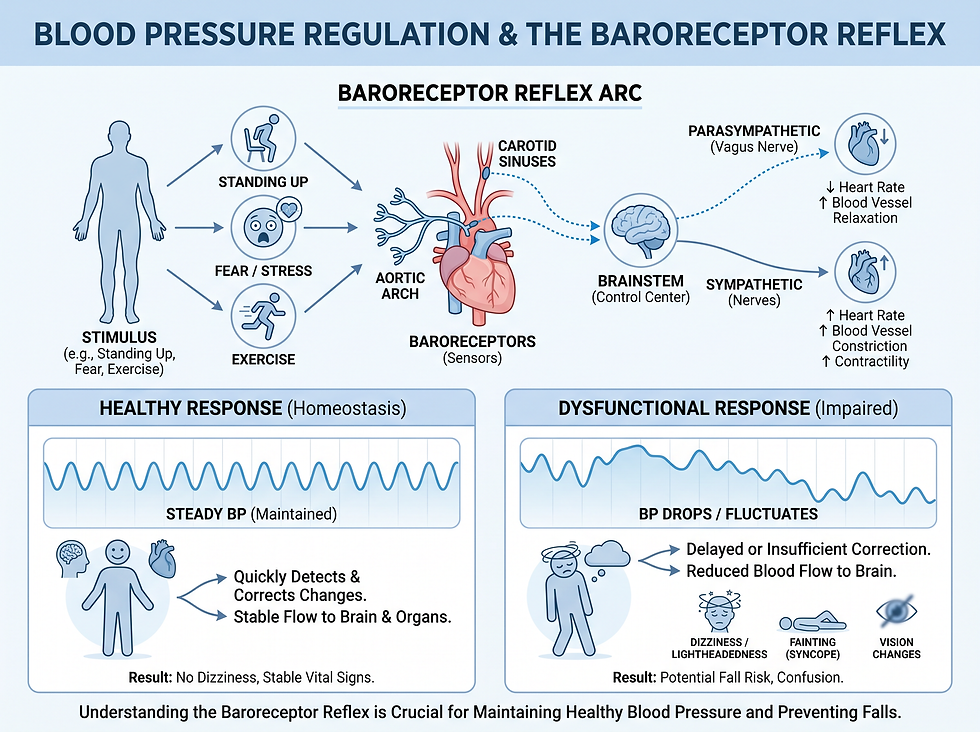
The functionality of the baroreceptor reflex relies on a sophisticated feedback loop between the cardiovascular system and the brain. Baroreceptors, which are specialized nerve endings, are sensitive to the physical stretching of the arterial walls.
Increased Blood Volume: Artery walls stretch more, the brain reads this as adequate or high pressure, and it signals the body to lower pressure if necessary.
Decreased Pressure (e.g., Standing): Artery walls stretch less, the brain reads this as inadequate pressure, and it signals the vessels to tighten and the heart rate to increase.
When the brain interprets a lack of stretch, it initiates several rapid actions. These include increasing the heart rate, strengthening the contraction of heart muscles, and narrowing the blood vessels (arterioles) to elevate blood pressure to the required level.

Anatomy and Components
The baroreceptor reflex is not localized to a single organ but involves a network of sensors and nervous system pathways distributed throughout the body.
Baroreceptors: Located in the carotid arteries (neck), aortic arch, heart chambers, and lung vessels.
Nervous Pathways: Cranial nerves and fibers that carry messages to and from the brain.
Regulatory Systems: Sympathetic (fight-or-flight) and parasympathetic nervous systems.
Effectors: Arterioles and heart muscles that act on the brain's signals.
Triggers and Functionality
While postural changes are the most common trigger, the baroreceptor reflex responds to any situation that alters the body's demand for blood. This includes emotional responses, such as fear, and transitions in physical activity levels, such as moving from a walk to a run. By constantly monitoring blood volume and pressure, the reflex ensures that the cardiovascular system adapts to the body's immediate needs without conscious effort.
Conditions and Disorders
Various medical conditions and injuries can impair the effectiveness of the baroreceptor reflex, leading to unstable blood pressure and other cardiovascular symptoms.
Neurological Conditions: Parkinson’s disease and Lewy body dementia can interfere with the signaling pathways of the reflex.
Systemic Diseases: Both Type 1 and Type 2 diabetes may lead to autonomic dysfunction affecting the baroreflex.
Physical Damage: Tumors, neck surgery, or spinal cord injuries can physically damage the receptors or the nerves involved in the reflex loop.
Specialized Syndromes: Postural Orthostatic Tachycardia Syndrome (POTS) and broken heart syndrome (stress cardiomyopathy) are also associated with reflex dysfunction.
Symptoms of a dysfunctional reflex often include fainting, tachycardia (rapid heart rate), or an inability to raise the heart rate appropriately when the body demands more blood.
Care and Diagnostic Testing
Maintaining a healthy baroreceptor reflex involves both clinical management and lifestyle adjustments. If dysfunction is suspected, healthcare providers may use 24-hour ambulatory blood pressure monitoring, heart rate measurements, or the Valsalva maneuver to assess the reflex's health.
To keep your blood pressure steady, it is essential to follow a healthy diet and work closely with a healthcare provider to manage any medications that might affect blood pressure. For those with specific medical conditions, tools like abdominal binders can help maintain adequate pressure.
Conclusion
The baroreceptor reflex is an unsung hero of human physiology, working tirelessly in the background to maintain cardiovascular stability. Whether you are standing up from a chair or reacting to a sudden fright, this reflex ensures your body adapts in real-time. Recognizing the signs of dysfunction, such as frequent fainting or dizziness upon standing, is key to seeking timely medical intervention and maintaining long-term health.
Take the Next Step
If you experience frequent dizziness or fainting when changing positions, consult your healthcare provider for a thorough evaluation. Understanding how your body regulates blood pressure is the first step toward managing your cardiovascular health effectively. Schedule a check-up today to ensure your internal regulators are functioning at their best.
Frequently Asked Questions (FAQ)
1. What is the baroreceptor reflex? It is a rapid bodily response that stabilizes blood pressure during sudden changes, such as standing up.
2. How fast does the reflex work? It typically occurs within the span of a couple of heartbeats.
3. Where are baroreceptors located? They are found in the heart, carotid arteries in the neck, the aortic arch, and the lungs.
4. What do baroreceptors sense? They sense the physical stretching of the artery walls caused by blood flow.
5. What happens when I stand up quickly? The reflex detects a drop in pressure and signals the heart to beat faster and blood vessels to tighten.
6. Can emotions trigger the reflex? Yes, intense emotions like fear can trigger the baroreceptor reflex to adjust blood pressure.
7. What is POTS? Postural Orthostatic Tachycardia Syndrome is a condition that can affect how the body regulates heart rate and blood pressure upon standing.
8. How does diabetes affect the reflex? Long-term diabetes can damage the nerves that carry signals for the baroreceptor reflex.
9. What are the symptoms of a failing reflex? Common signs include unstable blood pressure, fainting, and an inappropriate heart rate.
10. What is the Valsalva maneuver? A diagnostic test where a person breathes out strongly against a closed airway to check heart and reflex function.
11. Are there medications for reflex dysfunction? Yes, medications like Midodrine and Fludrocortisone are often used to treat these issues.
12. What is an abdominal binder? A wide belt wrapped around the belly to help raise blood pressure in people with certain medical conditions.
13. Can neck surgery affect the reflex? Yes, surgery or tumors in the neck area can damage the baroreceptors located in the carotid arteries.
14. Is the reflex part of the autonomic nervous system? Yes, it involves both the sympathetic and parasympathetic branches of the nervous system.
15. When should I see a doctor? You should seek medical advice if you experience frequent drops in blood pressure or fainting spells.
Medical Disclaimer: This content is for informational purposes only and does not constitute medical advice. Always seek the advice of a qualified healthcare provider with any questions regarding a medical condition.
Comments