Understanding Pulmonary Sarcoidosis: Symptoms, Stages, and Care

Updated: 2 days ago
Medically reviewed by Dr. Baraa Alnahhal, MD · Last reviewed: September 2026
Pulmonary sarcoidosis is an inflammatory disease characterized by the formation of tiny lumps called granulomas in the lungs. While the exact cause remains unknown, it is linked to genetic factors and environmental exposures. Symptoms include persistent cough, shortness of breath, and significant fatigue. Many cases resolve on their own without treatment, a process known as spontaneous remission. However, severe cases can lead to permanent lung scarring (fibrosis) and require medical intervention such as corticosteroids or advanced therapies like lung transplants.
Quick answer: Pulmonary sarcoidosis involves the formation of inflammatory immune cell clusters (granulomas) in the lung tissue. It commonly presents with cough, fatigue, and breathing difficulties. Diagnosis utilizes imaging like CT scans and functional tests like PFTs. While often resolving naturally, treatment may involve prednisone or immune-modulating drugs to prevent irreversible scarring. Complications include pulmonary hypertension and fibrosis. Management focuses on avoiding lung irritants and regular monitoring to maintain long-term respiratory health.
Pulmonary sarcoidosis is a complex inflammatory condition that primarily affects the respiratory system, though it can manifest in other organs such as the skin and lymph nodes. The hallmark of the disease is the development of granulomas—tiny, grain-like clusters of immune cells that form in response to inflammation. These granulomas can interfere with normal lung function, and if the inflammation persists without healing, it can lead to permanent, irreversible scarring known as fibrosis. Despite its inflammatory nature, sarcoidosis is not a form of cancer, although individuals with the condition may have a slightly increased risk of developing certain malignancies.
The prevalence of sarcoidosis varies significantly across different populations. In the United States, between 150,000 and 200,000 people live with the condition. Statistics indicate a higher incidence among African Americans, who are affected at a rate of 34 per 100,000, compared to 11 per 100,000 for white individuals. Women and those of Northern European descent also show a higher susceptibility. While the exact cause is not fully understood, researchers believe a combination of genetic predisposition and exposure to environmental triggers—such as pesticides, mold, or certain medications—plays a critical role in the disease's onset.
Recognizing Symptoms and Impact
The symptoms of pulmonary sarcoidosis can be diverse, and some individuals may remain asymptomatic during the early stages. However, when symptoms do occur, they significantly impact daily life and mental well-being.
Symptom Category | Common Signs | Impact on Daily Life |
Respiratory | Persistent cough, shortness of breath (dyspnea), wheezing | Limits physical activity and exercise tolerance |
Systemic | Chronic fatigue, malaise, general ill feeling | Interferes with work, social activities, and energy levels |
Physical | Chest pain and discomfort | Can cause anxiety regarding heart or lung health |
Mental Health | Depression and emotional distress | Often stems from the chronic nature of the condition |
The Five Stages of Progression
Healthcare providers use a staging system based on chest X-rays and the location of granulomas to determine the severity of the disease and the necessary treatment path.
Stage 0: The chest X-ray appears normal with no visible signs of granulomas or inflammation.
Stage I: Granulomas are present only in the lymph nodes, with the lung tissue remaining clear.
Stage II: Inflammation and granulomas are detected in both the lymph nodes and the lungs.
Stage III: Granulomas are present exclusively in the lung tissue, without lymph node involvement.
Stage IV: The most severe stage, characterized by permanent and irreversible scarring of the lung tissue.

Diagnostic Pathway
Accurate diagnosis is essential to differentiate sarcoidosis from other lung conditions and to monitor the progression through the clinical stages.
Diagnostic Tool | Purpose | Clinical Insight |
Imaging (X-ray/CT/MRI) | Visualize granulomas and scarring | Determines the stage and extent of lung involvement |
Pulmonary Function Tests | Measure lung capacity and airflow | Evaluates how well the lungs are delivering oxygen |
Biopsy | Analyze tissue or fluid samples | Confirms the presence of granulomas under a microscope |
Blood Tests | Assess systemic organ function | Checks for involvement of the liver, kidneys, or other organs |
Management and Treatment Strategies
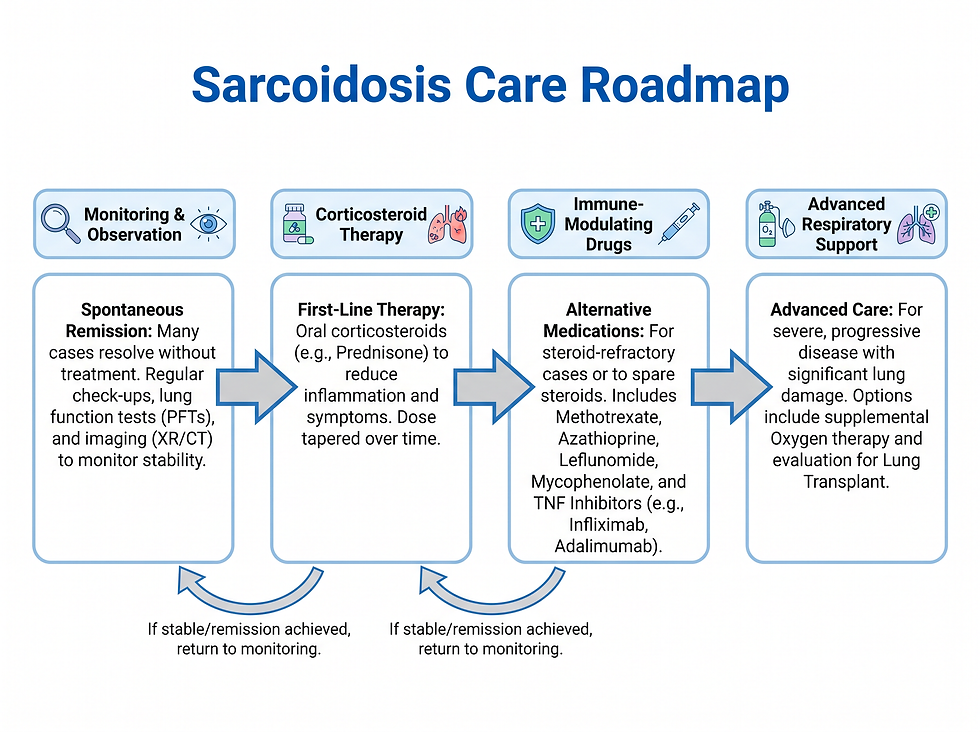
Treatment for pulmonary sarcoidosis is not always required, as many cases undergo spontaneous remission. However, when the condition threatens lung function or causes severe symptoms, a tiered medical approach is utilized.
First-Line Therapy: Prednisone, a potent corticosteroid, is the standard treatment to calm the overactive immune response. Due to potential side effects, it is typically prescribed for short-term use.
Alternative Medications: For those who cannot tolerate steroids, doctors may prescribe methotrexate, corticotropin, or TNF inhibitors like infliximab to manage inflammation.
Advanced Care: In severe Stage IV cases where permanent damage has occurred, patients may require supplemental oxygen, pulmonary rehabilitation, or even lung transplant surgery.
Complications and Long-Term Outlook
While many individuals achieve permanent remission, sarcoidosis can relapse, leading to "flares" after periods of stability. If granulomas fail to heal, several serious complications can arise:
Bronchiectasis: Thickening of the bronchial tubes, leading to mucus buildup and frequent infections.
Pulmonary Hypertension: High blood pressure in the lung arteries caused by narrowed or damaged vessels.
Pulmonary Fibrosis: Stiffening of the lung tissue that makes breathing increasingly difficult.
End-Stage Lung Disease: The final stage where the lungs can no longer provide sufficient oxygen to the body.
Conclusion
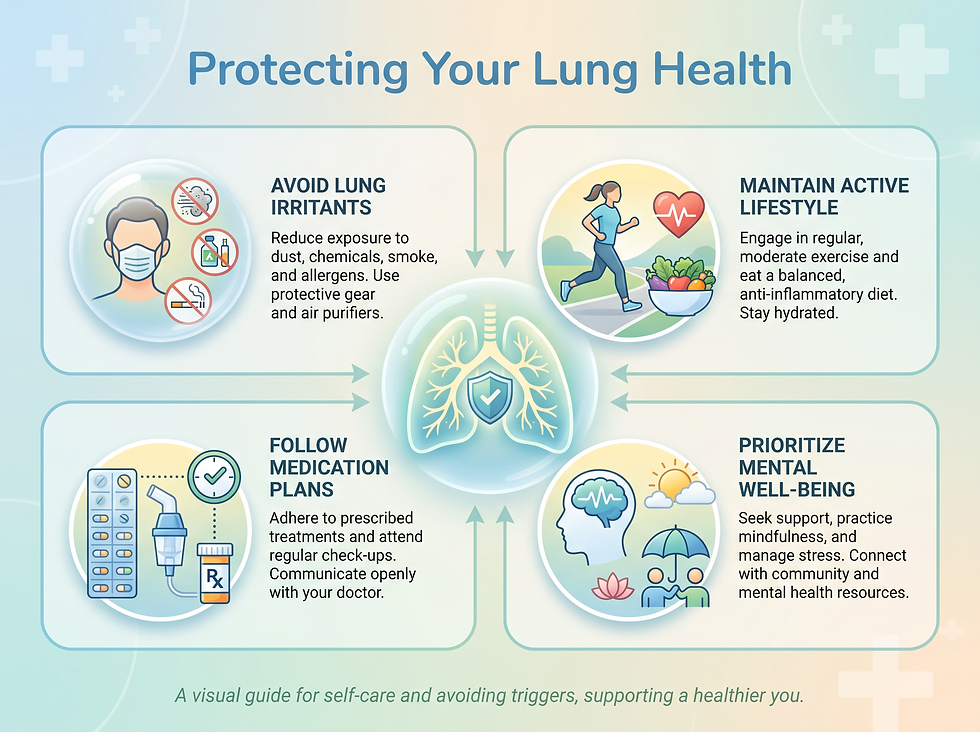
Pulmonary sarcoidosis is a manageable condition for the majority of patients, often resolving without long-term consequences. However, the risk of permanent lung damage necessitates careful monitoring and a proactive approach to respiratory health. By avoiding environmental triggers and adhering to specialized medical guidance, individuals can maintain a high quality of life and minimize the impact of this inflammatory disease.
Next Steps
If you are experiencing a persistent cough or unexplained fatigue, consult a healthcare provider for a thorough respiratory evaluation. For those already diagnosed, ensure you attend all follow-up appointments and report any sudden changes in your breathing to your clinical team immediately.
Frequently Asked Questions
Is pulmonary sarcoidosis a type of cancer?
No, it is an inflammatory disease, not cancer, though it involves the formation of lumps (granulomas).
Can sarcoidosis go away on its own?
Yes, many cases resolve through spontaneous remission without any medical treatment.
What is a granuloma?
It is a tiny cluster of immune cells that forms in response to inflammation.
Is the condition hereditary?
Some cases run in families, suggesting a genetic link, but environmental factors also play a role.
How does prednisone help?
It is a corticosteroid that calms the immune system to reduce inflammation and granuloma formation.
What triggers a sarcoidosis flare?
Flares can be triggered by environmental irritants, infections, or changes in immune activity.
Can I exercise with sarcoidosis?
Yes, regular exercise is recommended as part of a healthy lifestyle to help manage symptoms.
What is Stage IV sarcoidosis?
It is the most severe stage where the lungs have permanent, irreversible scarring (fibrosis).
Does sarcoidosis affect other organs?
Yes, while it most commonly affects the lungs, it can also impact the skin, lymph nodes, eyes, and liver.
Is there a cure for sarcoidosis?
There is no known cure, but the condition can be effectively managed and often goes into permanent remission.
What environmental factors should I avoid?
Avoid dust, chemicals, pesticides, mold, and tobacco smoke.
How often should I have my lungs checked?
Your doctor will determine a schedule, but regular pulmonary function tests are common.
Can sarcoidosis cause depression?
Yes, chronic illness and its impact on daily life can lead to depression and anxiety.
What is a lung transplant?
It is a surgery to replace a severely damaged lung with a healthy donor lung, reserved for end-stage disease.
Are there support groups for sarcoidosis?
Yes, many organizations provide resources and communities for those living with the condition.
Medical Disclaimer: The information provided in this article is for educational purposes only and should not be used as a substitute for professional medical advice, diagnosis, or treatment. Always seek the advice of your physician or other qualified health provider with any questions you may have regarding a medical condition.
Comments