Understanding Progestin: Synthetic Support for Hormonal Balance

Updated: 2 hours ago
Medically reviewed by Dr. Baraa Alnahhal, MD · Last reviewed: September 2026
Progestin is a synthetic, lab-made version of the naturally occurring hormone progesterone. It is designed to mimic the effects of progesterone in the body and is used to treat various conditions related to menstruation, pregnancy, and menopause. Available in several forms—including pills, injections, and patches—progestin is a versatile medication that helps regulate the menstrual cycle, maintain pregnancies, and even treat certain types of cancer. While highly beneficial, it is prescribed based on individual health history to manage potential side effects and ensure safety.
Quick answer: Progestin is a human-made hormone used to supplement or replace natural progesterone. It is a core component of many birth control methods and hormone replacement therapies. Beyond reproductive health, progestin is used to treat conditions like endometriosis, regulate irregular periods, and support fertility treatments. Because it comes in different chemical structures, healthcare providers tailor the specific type of progestin to a patient's unique needs, balancing the therapeutic benefits with common side effects like mood changes or headaches.
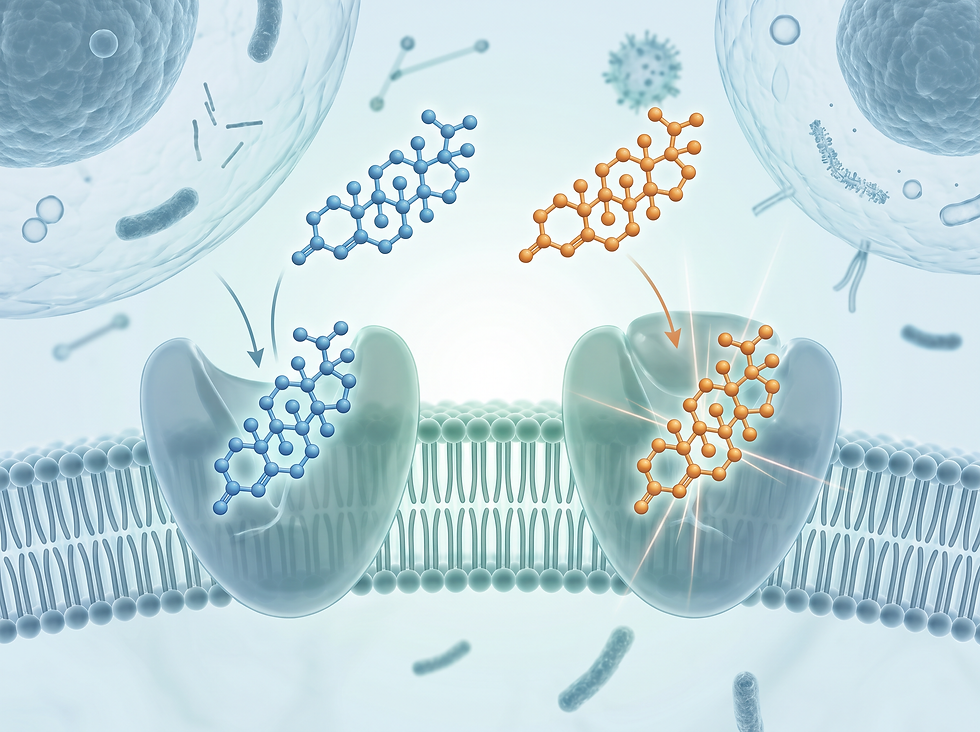
What is Progestin?
Progestin is a synthetic hormone created to perform the same functions as progesterone, which the body produces naturally. Progesterone is essential for various bodily functions, regardless of a person's sex. However, there are times when the body does not produce enough of this hormone or requires an additional boost to treat specific medical issues.
Scientists developed progestin because the human body often has difficulty absorbing natural progesterone in supplemental form. By slightly altering the chemical composition, progestin can be effectively delivered through various methods. These synthetic hormones are grouped into different "families" based on their structure, which determines how they interact with the body's receptors and what specific conditions they are best suited to treat.
Primary Uses of Progestin
Progestin is a multi-functional medication used across several areas of healthcare. Its most common applications involve regulating reproductive cycles and supporting various stages of life.
Application Area | How Progestin Helps |
Menstrual Health | Normalizes cycles, treats heavy bleeding, and manages the absence of periods. |
Birth Control | Prevents ovulation and thickens cervical mucus to block sperm. |
Pregnancy Support | Helps maintain a pregnancy when natural hormone levels are insufficient. |
Menopause Relief | Combined with estrogen to treat hot flashes and vaginal dryness. |
Cancer Treatment | Stops tumor growth in kidney, breast, and uterine cancers. |

Forms of Administration
Because progestin is used for so many different reasons, it is available in a wide variety of delivery methods. The chosen form depends on the specific condition being treated and the patient's lifestyle preferences.
Delivery Method | Common Use Cases |
Oral Pills | Daily birth control (minipill) or cycle regulation. |
Injections | Long-acting birth control or intensive hormone therapy. |
Patches/Creams | Hormone replacement therapy for menopause symptoms. |
IUDs/Suppositories | Localized treatment for birth control or fertility support. |
Side Effects and Risks
As with any hormonal treatment, progestin can cause side effects as the body adjusts to the medication. Most side effects are mild and manageable, but it is important to be aware of rarer, more serious risks. Common issues include mood fluctuations, headaches, and physical changes like bloating or weight gain. Some patients may also experience changes in their blood sugar or blood pressure levels.
In rare cases, progestin treatment can be associated with serious cardiovascular events, such as blood clots, heart attacks, or strokes. Liver and vision problems are also possible, though uncommon. Healthcare providers carefully review a patient's complete health history and existing medications before prescribing progestin to minimize these risks and ensure the treatment is as safe as possible.
Conclusion
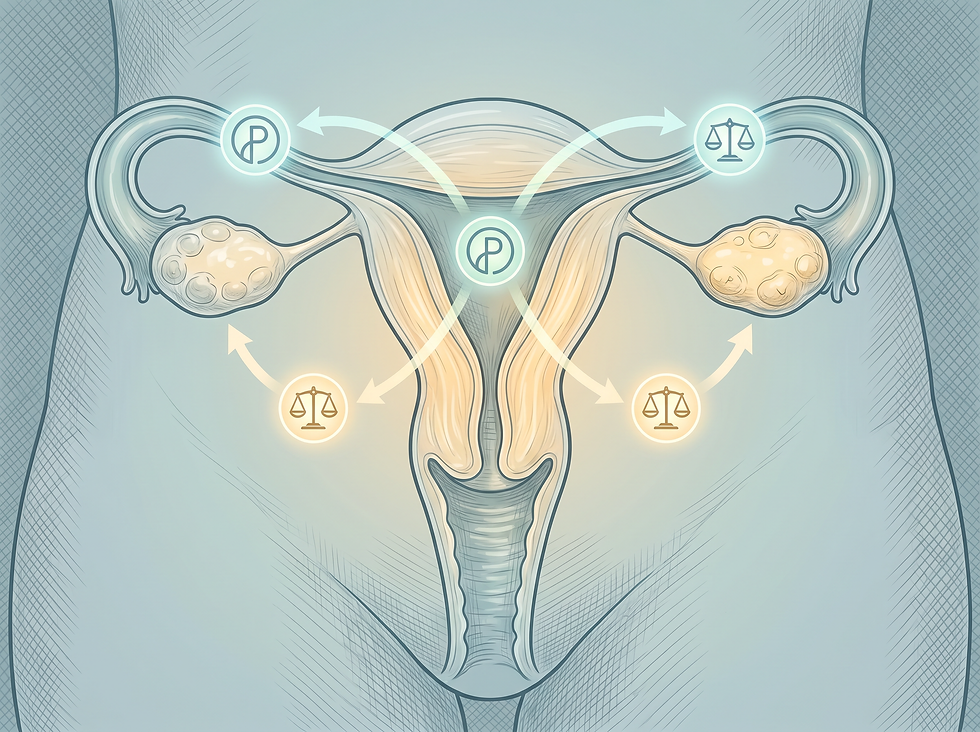
Progestin is a vital medical tool that provides essential support for hormonal health. By mimicking the natural functions of progesterone, it allows millions of people to manage their reproductive health, treat chronic conditions, and find relief from the symptoms of menopause. While the synthetic nature of the hormone requires careful medical supervision, its benefits in regulating the body's complex systems are undeniable. Through informed discussions with healthcare providers, patients can use progestin to achieve better balance and improved quality of life.
Next Steps
Consult Your Provider: Discuss your hormonal symptoms and health history to see if progestin is right for you.
Review Medications: Share a full list of your current supplements and medications to check for potential interactions.
Monitor Symptoms: Keep a journal of any side effects or changes in your cycle after starting progestin.
Follow-Up: Attend all scheduled appointments to ensure your dosage is correct and the treatment is effective.
Frequently Asked Questions
Is progestin the same as progesterone?
No, progesterone is natural, while progestin is a synthetic version made in a lab to mimic its effects.
Can men take progestin?
Yes, men produce small amounts of progesterone naturally, and progestin can help with sperm development and testosterone balance.
What is the "minipill"?
The minipill is a progestin-only birth control pill, unlike combination pills that contain both progestin and estrogen.
Does progestin cause weight gain?
Some people experience bloating or weight gain as a side effect, though this varies depending on the individual and the dosage.
How does progestin prevent pregnancy?
It works by stopping the ovaries from releasing an egg and making cervical mucus thicker so sperm cannot reach an egg.
Can progestin treat cancer?
Yes, it is used to treat certain forms of kidney, breast, and uterine cancer by stopping tumor growth.
What happens if I miss a dose of progestin birth control?
Progestin-only pills have a narrow window for effectiveness; if you miss a dose, follow the instructions on your pack and use a backup method.
Is progestin used for IVF?
Yes, it is often used in fertility treatments to help prepare and maintain the lining of the uterus for pregnancy.
Can progestin affect my mood?
Yes, mood changes or irritability are known side effects for some people taking hormonal medications.
What are the signs of a serious side effect?
Seek medical help immediately for signs of a blood clot, such as sudden leg pain, shortness of breath, or severe headaches.
How long do side effects last?
Most mild side effects improve after a few months as your body adjusts to the new hormone levels.
Does progestin help with hot flashes?
Yes, when used in hormone replacement therapy, it can help reduce the frequency and severity of hot flashes.
Can I take progestin if I have a history of blood clots?
You must discuss this with your doctor, as progestin can increase the risk of clots in certain individuals.
Is progestin safe during breastfeeding?
Progestin-only birth control is often recommended for breastfeeding individuals as it does not typically affect milk supply.
Does progestin cause acne?
Depending on the type of progestin, some people may notice changes in their skin, including breakouts or clearing.
References
Medical Disclaimer: This article is for informational purposes only and does not constitute medical advice. Always seek the guidance of your physician or other qualified health provider with any questions you may have regarding a medical condition or treatment.
Comments