Understanding Non-Tunneled Central Venous Catheters: A Guide to Short-Term Vascular Access

Updated: 2 days ago
Medically reviewed by Dr. Baraa Alnahhal, MD · Last reviewed: September 2026
TL;DR: Non-tunneled central venous catheters (CVCs) are specialized tubes inserted directly into major veins to provide quick, reliable access for medications, fluids, and blood tests. Typically used during hospital stays for short-term needs, these "central lines" bypass the need for repeated needle sticks. While they offer significant benefits for acute care, they require careful monitoring to prevent complications like infection or blockages.
Quick Answer: A non-tunneled central venous catheter is a medical device used to access major veins near the heart for short-term clinical needs. Unlike tunneled catheters, they are inserted directly into veins in the chest, neck, or groin. These catheters allow healthcare providers to deliver intensive treatments—such as dialysis, chemotherapy, or nutritional support—and perform frequent blood draws without repeated needle insertions. They are essential tools in emergency and inpatient settings.
What is a Non-Tunneled Central Venous Catheter?
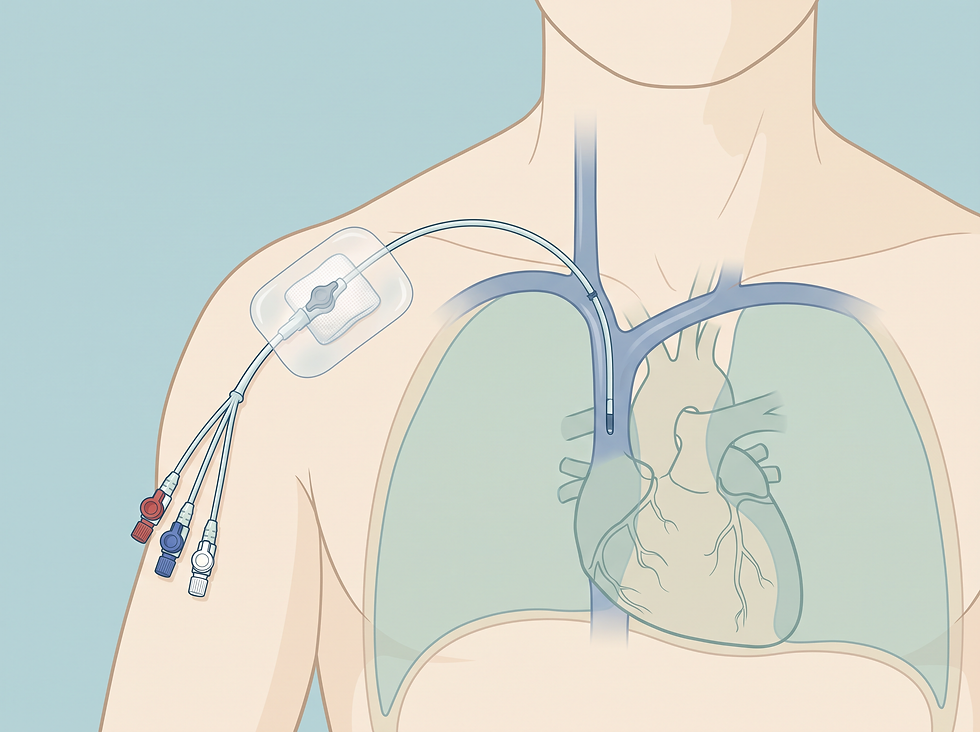
Non-tunneled central venous catheters, often referred to as central lines, are flexible tubes placed into major veins that lead toward the heart. These central veins are typically located in the chest, neck, or upper thigh. The catheter is threaded through the vein until its tip sits either just outside the heart in the superior vena cava or within the right atrium. This positioning allows for the rapid distribution of medications and the efficient collection of blood samples.
These devices are primarily intended for short-term or inpatient use. They serve as a critical bridge for patients who require frequent infusions of medicines, fluids, or intravenous nutrients. Because they provide direct access to the central circulatory system, they are also used for specialized procedures like dialysis and apheresis.
The Placement Procedure
The placement of a non-tunneled catheter is a structured medical process that usually occurs in an emergency room or during a hospital stay. To ensure patient comfort, a local anesthetic is applied to numb the insertion site. Healthcare providers typically use ultrasound guidance to visualize the target vein, which increases the accuracy of the placement and reduces the risk of complications.
Insertion Site | Location | Common Clinical Use |
Internal Jugular (IJ) | Central neck/upper chest | Standard inpatient access and monitoring |
Subclavian (SC) | Collarbone area | Stable short-term vascular access |
Femoral | Upper thigh/groin area | Emergency or specialized access |
The insertion can be performed either through a small incision or directly through the skin, depending on the specific catheter kit and the patient's needs. Once the catheter is correctly positioned, it is secured to the skin with stitches to prevent it from shifting.
Benefits and Clinical Indications
Non-tunneled catheters offer several distinct advantages in a clinical setting. Their primary benefit is providing easier and more reliable vascular access, which eliminates the need for repeated IV needle placements. This is particularly valuable in emergency situations where fast treatment is essential.
Feature | Clinical Benefit |
Reusable Access | Allows for multiple treatments through a single insertion point. |
Fast Placement | Enables rapid delivery of life-saving medications and fluids. |
Two-Way Access | Supports both the delivery of treatments and the collection of blood. |
High Capacity | Ideal for intensive therapies like dialysis or specialized nutrition. |
Despite these benefits, non-tunneled catheters are associated with certain risks. Because they are inserted directly and lack a subcutaneous tunnel, they are more prone to infections than tunneled catheters. Other potential complications include blood clots, tube blockages, and the rare risk of puncturing a nearby artery or lung during the initial placement.
Recovery and Daily Care
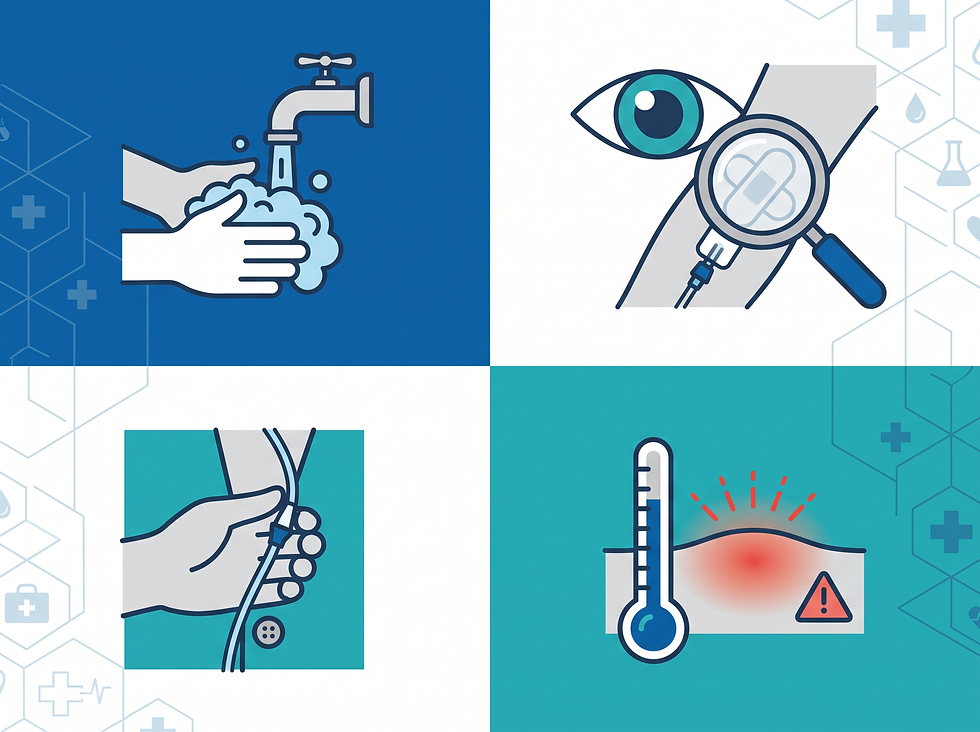
Recovery from the placement procedure is generally immediate, as the local anesthetic wears off quickly. However, the ongoing care of the catheter site is vital for preventing complications. Patients and caregivers must adhere to strict hygiene protocols, such as thorough hand washing before touching the area. In a hospital setting, only trained healthcare professionals should handle the catheter.
Monitoring the site for warning signs is a critical part of the recovery process. Any pain, discoloration, swelling, or stiffness at the insertion site should be reported immediately. Additionally, systemic symptoms like fever, vomiting, or a general feeling of malaise may indicate a developing infection and require prompt medical attention.
Long-Term Outlook and Success
While non-tunneled catheters are not intended for long-term use, they play a pivotal role in the success of acute medical treatments. By providing a stable and high-capacity access point, they ensure that patients receive the full benefit of their prescribed therapies. Once the short-term need for central access has passed, the catheter is removed in a simple procedure, allowing the site to heal naturally.

Conclusion
Non-tunneled central venous catheters are essential tools in modern medicine, providing a fast and reliable way to deliver intensive care. While they carry specific risks related to their direct insertion, the benefits of reliable vascular access often outweigh these concerns in acute clinical settings. Through careful placement, diligent site care, and vigilant monitoring, these devices help patients navigate complex treatments safely and effectively.
Next Steps
Consult Your Provider: Discuss the specific reasons for your central line and how long it is expected to remain in place.
Review Care Protocols: Ensure you or your caregivers understand the hygiene and monitoring requirements for the catheter site.
Monitor for Symptoms: Stay alert for any local or systemic warning signs and report them to your medical team immediately.
Frequently Asked Questions
What is the difference between a tunneled and non-tunneled catheter?
Non-tunneled catheters are inserted directly into a vein, while tunneled catheters are passed under the skin before entering the vein, which helps reduce infection risk for long-term use.
How long can a non-tunneled catheter stay in place?
These catheters are intended for short-term use, typically during a hospital stay or for acute treatments lasting from a few days to a few weeks.
Does the placement of a non-tunneled catheter hurt?
A local anesthetic is used to numb the area before insertion, so you should not feel pain during the procedure itself.
Where are these catheters usually inserted?
Common insertion points include the neck (internal jugular vein), the chest (subclavian vein), or the groin (femoral vein).
Why would I need a non-tunneled catheter instead of a regular IV?
They are used when you need intensive treatments, frequent blood draws, or when standard IV access in the arms or hands is difficult to establish.
Can I go home with a non-tunneled catheter?
While they are most common in hospitals, some patients may be discharged with them for short-term home treatments, provided they have proper care support.
What are the main risks associated with these catheters?
The primary risks include infection, blood clots, and blockages within the catheter tube.
How is the catheter held in place?
The catheter is typically secured to your skin with stitches and covered with a protective sterile bandage.
Can I shower with a non-tunneled catheter?
You must keep the catheter site and bandages dry. Your care team will provide specific instructions on how to protect the site during hygiene routines.
What should I do if my catheter site becomes painful or red?
Report any pain, redness, or swelling to your healthcare provider immediately, as these can be signs of infection.
Is an ultrasound always used during placement?
Healthcare providers commonly use ultrasound guidance to ensure the catheter is placed accurately and to minimize the risk of complications.
Can blood be drawn from a non-tunneled catheter?
Yes, these catheters provide two-way access, allowing for both the delivery of fluids and the collection of blood samples.
What happens if the catheter gets blocked?
If a blockage (occlusion) occurs, your healthcare provider will assess the line and may use specialized techniques or medications to clear it.
How is a non-tunneled catheter removed?
Removal is a relatively simple procedure performed by a healthcare professional, usually at the bedside or in a clinic.
What are the warning signs of a serious complication?
Warning signs include fever, chills, shortness of breath, chest pain, or the catheter visibly shifting out of its original position.
Medical Disclaimer
The information provided in this article is for educational purposes only and should not be used as a substitute for professional medical advice, diagnosis, or treatment. Always seek the advice of your physician or other qualified health provider with any questions you may have regarding a medical condition or procedure.
Source Content Date: April 27, 2026
Review Status: Based on the supplied material.
Comments