Understanding Non-Rebreather Masks: A Guide to Emergency Oxygen Therapy

Updated: 2 days ago
Medically reviewed by Dr. Baraa Alnahhal, MD · Last reviewed: September 2026
TL;DR: A non-rebreather mask (NRM) is a specialized medical device designed to deliver high concentrations of oxygen quickly, primarily in emergency settings. By using one-way valves and an oxygen reservoir bag, it ensures patients inhale pure oxygen without rebreathing exhaled air or room air. While highly effective for acute respiratory distress, it requires professional monitoring due to the risk of suffocation if the oxygen supply is interrupted.
Quick Answer: A non-rebreather mask is a medical face mask used to deliver high-concentration oxygen (60% to 90%) during emergencies such as smoke inhalation, carbon monoxide poisoning, or severe trauma. It features a reservoir bag and one-way valves that prevent room air from diluting the oxygen supply. Unlike standard masks, it is reserved for clinical settings like hospitals or ambulances and is not suitable for home use due to the need for constant supervision.
What is a Non-Rebreather Mask?
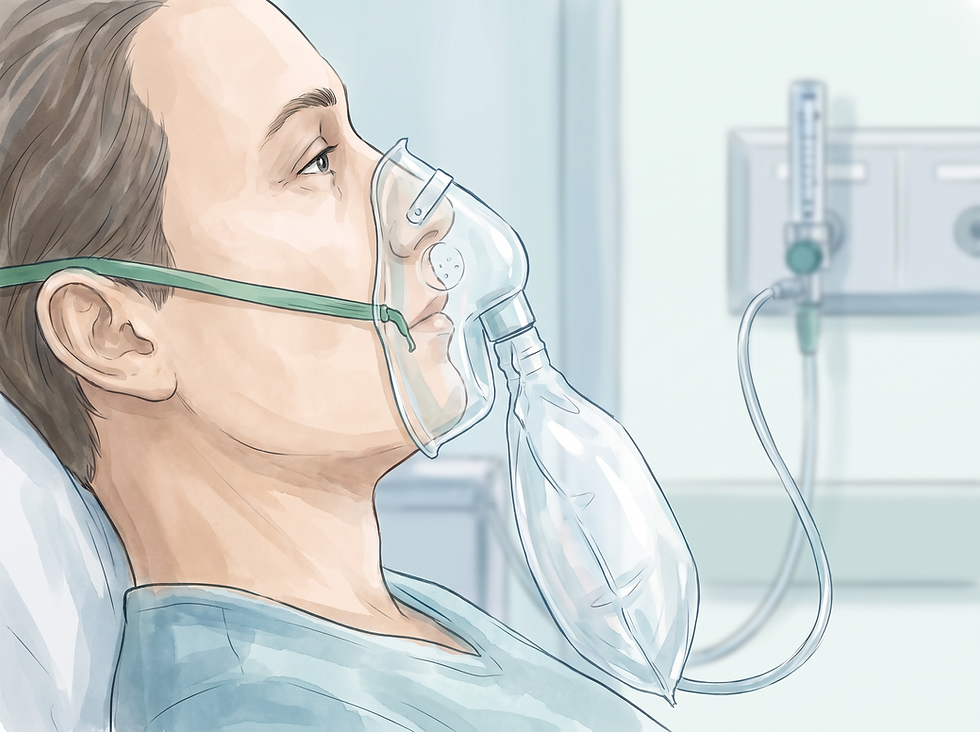
A non-rebreather mask is a critical tool in emergency medicine, designed to provide the highest possible concentration of oxygen to a patient who can still breathe independently but has dangerously low blood oxygen levels. The device consists of a plastic face mask that fits snugly over the nose and mouth, secured by an elastic head strap. It is connected to a reservoir bag that remains filled with oxygen from an external tank, ensuring a constant supply of concentrated gas.
The defining characteristic of this mask is its system of one-way valves. These valves are strategically placed to ensure that the patient only inhales oxygen from the reservoir bag and exhales through the sides of the mask. This mechanism prevents the "rebreathing" of carbon dioxide and stops outside room air from diluting the oxygen concentration, allowing for a much more potent delivery than standard oxygen masks.
How the Device Works
The operation of a non-rebreather mask relies on a precise flow of oxygen, typically set between 12 and 15 liters per minute. This high flow rate ensures that the reservoir bag remains inflated, providing a ready source of oxygen for every breath. The one-way valves act as gatekeepers: one valve allows oxygen to move from the bag to the mask during inhalation, while others allow exhaled air to escape into the environment without entering the bag.
Component | Function in Oxygen Delivery |
Face Mask | Creates a tight seal over the nose and mouth to contain oxygen. |
Reservoir Bag | Holds a concentrated supply of oxygen for immediate inhalation. |
One-Way Valves | Prevents rebreathing of exhaled air and inhalation of room air. |
Oxygen Tubing | Connects the mask system to a high-pressure oxygen source. |
Clinical Indications and Uses
Non-rebreather masks are strictly intended for temporary, emergency use. They serve as a "bridge" therapy until a patient's condition stabilizes or a more permanent respiratory solution is established. Because they provide such high concentrations of oxygen, they are invaluable in treating acute conditions where the body's tissues are starved of oxygen.
Condition | Role of Non-Rebreather Mask |
Smoke Inhalation | Rapidly replaces toxic gases in the lungs with concentrated oxygen. |
CO Poisoning | Helps flush carbon monoxide out of the bloodstream. |
Lung Trauma | Supports breathing when lung function is severely compromised. |
Cluster Headaches | Provides high-flow oxygen known to alleviate acute headache pain. |
Acute COPD Flare-ups | Stabilizes patients during severe respiratory distress. |
Safety and Professional Monitoring
While the non-rebreather mask is a life-saving device, it carries a significant risk that necessitates professional supervision. Because the one-way valves block out all room air, the patient is entirely dependent on the oxygen tank. If the tank becomes empty or the flow is interrupted, the patient could suffocate within the mask. For this reason, these masks are never used at home and are only administered by trained healthcare providers in hospitals, emergency rooms, or ambulances.
Recovery and Transition
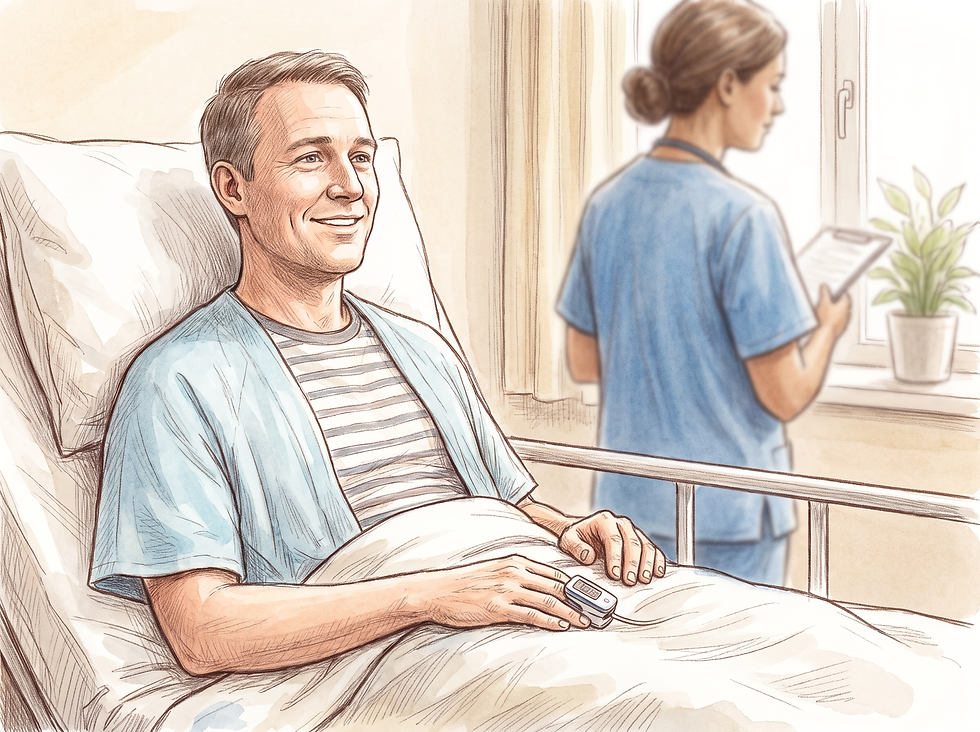
The use of a non-rebreather mask is usually the first step in a larger treatment plan. Once a patient's oxygen levels have stabilized, healthcare providers will often transition them to a less intensive delivery method, such as a nasal cannula or a standard face mask. This transition is carefully managed to ensure that the patient continues to receive adequate support while reducing the risks associated with high-concentration oxygen.

Long-Term Outlook
For most patients, the use of a non-rebreather mask is a short-term intervention that leads to a successful recovery from an acute event. By providing immediate and potent respiratory support, the device prevents long-term damage to vital organs like the heart and brain. Following the emergency phase, the focus shifts to treating the underlying cause of the respiratory distress and ensuring the patient can maintain healthy oxygen levels independently.
Conclusion
The non-rebreather mask is a vital component of emergency medical care, offering a rapid and effective way to deliver high-concentration oxygen to patients in distress. Its specialized design ensures that every breath is as oxygen-rich as possible, providing a critical lifeline during acute respiratory events. While its use is limited to clinical settings due to safety requirements, its impact on patient outcomes in emergency situations is profound.
Next Steps
Follow Medical Guidance: If you or a loved one has been treated with a non-rebreather mask, follow all post-stabilization instructions provided by your healthcare team.
Monitor Respiratory Health: Stay alert for any signs of returning breathing difficulties, such as rapid breathing or pale skin, and report them immediately.
Discuss Home Options: If long-term oxygen support is needed, talk to your provider about home-safe options like nasal cannulas or portable oxygen concentrators.
Frequently Asked Questions
What is the main purpose of a non-rebreather mask?
It is designed to deliver a high concentration of oxygen (60% to 90%) quickly during medical emergencies where blood oxygen levels are dangerously low.
Can I use a non-rebreather mask at home?
No, these masks are for hospital, emergency room, or ambulance use only because they require constant professional monitoring to prevent suffocation.
How does the mask prevent me from rebreathing my own air?
It uses one-way valves that allow exhaled air to escape the mask while preventing it from re-entering the oxygen reservoir bag.
What is the difference between a non-rebreather and a partial rebreather?
A non-rebreather uses one-way valves to block all room air, while a partial rebreather allows a small amount of room air to mix with the oxygen.
Why is there a bag attached to the mask?
The bag is a reservoir that holds a concentrated supply of oxygen, ensuring that you inhale pure oxygen with every breath.
How much oxygen does a non-rebreather mask deliver?
It typically provides a flow rate of 12 to 15 liters per minute, resulting in an oxygen concentration of 60% to 90%.
What are the risks of using this mask?
The primary risk is suffocation if the oxygen supply runs out, as the one-way valves prevent the inhalation of outside room air.
When is a non-rebreather mask preferred over a nasal cannula?
It is used in emergencies when a patient needs much higher concentrations of oxygen than a nasal cannula can provide.
Is a non-rebreather mask used for long-term therapy?
No, it is a temporary "bridge" therapy used only until the patient stabilizes or a different oxygen delivery method is established.
Can a non-rebreather mask be used for carbon monoxide poisoning?
Yes, it is one of the primary treatments for flushing carbon monoxide out of the lungs and bloodstream.
How tight should the mask fit?
The mask must form a tight seal against the skin to ensure that no room air leaks in and dilutes the oxygen concentration.
What should I do if I see the reservoir bag deflate?
In a clinical setting, a healthcare provider will monitor this; a deflated bag may indicate the oxygen flow is too low or the tank is empty.
Are non-rebreather masks used for cluster headaches?
Yes, high-flow oxygen delivered via a non-rebreather mask is a recognized treatment for acute cluster headache episodes.
What happens after I am taken off the mask?
Patients are usually transitioned to a lower-concentration device, like a nasal cannula, once their oxygen levels are stable.
Who monitors the patient while using the mask?
A trained healthcare professional, such as a nurse, respiratory therapist, or doctor, must closely watch the patient and the oxygen supply.
Medical Disclaimer
The information provided in this article is for educational purposes only and should not be used as a substitute for professional medical advice, diagnosis, or treatment. Always seek the advice of your physician or other qualified health provider with any questions you may have regarding a medical condition or procedure.
Source Content Date: August 4, 2023
Review Status: Based on the supplied material.
Comments