Understanding McArdle Disease: Symptoms, Management, and Muscle Health

Updated: 2 days ago
Medically reviewed by Dr. Baraa Alnahhal, MD · Last reviewed: September 2026
TL;DR
McArdle disease, also known as Glycogen Storage Disease Type 5 (GSD5), is a rare genetic condition that prevents skeletal muscles from effectively breaking down stored energy (glycogen) into glucose. This leads to early fatigue, muscle pain, and cramping during physical activity. While there is no cure, individuals can manage the condition through specialized dietary plans, graded aerobic exercise, and an understanding of the "second wind" phenomenon to maintain a high quality of life.
Quick Answer
McArdle disease is a rare genetic condition where a missing enzyme (myophosphorylase) prevents muscles from accessing stored energy during activity. This results in exercise intolerance, muscle pain, and cramping, typically appearing in the teens or 20s. Management involves a high-carbohydrate diet, moderate aerobic exercise, and avoiding strenuous isometric movements. Most individuals lead typical lives by adapting their physical activity and monitoring for signs of muscle breakdown (rhabdomyolysis).
What is McArdle Disease?
McArdle disease, medically categorized as Glycogen Storage Disease Type 5 (GSD5), is a rare inherited condition that primarily affects the skeletal muscles responsible for movement. The condition arises from a deficiency or complete absence of an enzyme called muscle glycogen phosphorylase, or myophosphorylase.
Under normal circumstances, this enzyme breaks down glycogen—a stored form of glucose in the muscles—into energy that the body uses during physical exertion. In individuals with McArdle disease, this process is disrupted, meaning the muscle cells cannot produce enough energy (glucose) to sustain activity, leading to rapid fatigue and muscle distress. Named after Dr. Brian McArdle, who first reported it in 1951, the condition affects between 1 in 50,000 and 1 in 200,000 people in the United States.
Symptoms and the "Second Wind"
The severity of McArdle disease varies significantly between individuals. While most symptoms are dormant during rest, they become highly apparent shortly after starting physical activity.
Common Symptoms
Exercise Intolerance: Tiring very easily during physical exertion.
Muscle Distress: Painful cramps, weakness, fatigue, and stiffness.
Response to Activity: Symptoms typically improve with rest.
The "Second Wind" Phenomenon
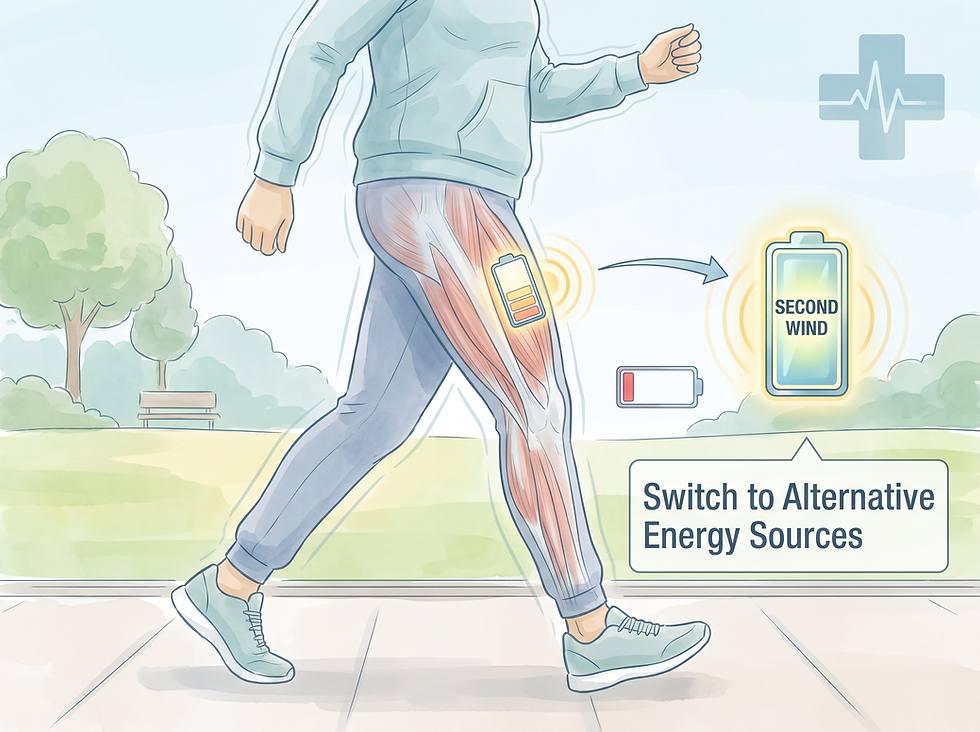
A unique characteristic of McArdle disease is the "second wind." If an individual experiences initial fatigue and then rests briefly, they often find they can better tolerate the physical activity if they start again. This happens because the body begins to use alternative energy sources, such as blood glucose, to power the muscles.
Causes and Inheritance
McArdle disease is caused by mutations in the PYGM gene, which provides the instructions for making the myophosphorylase enzyme. This enzyme is found exclusively in skeletal muscle cells.
The condition follows an autosomal recessive inheritance pattern. This means an individual must inherit an altered gene from both biological parents to develop the disease. Parents who carry only one copy of the mutated gene (carriers) typically do not exhibit any symptoms. Researchers have identified nearly 180 different genetic variants that can affect the PYGM gene and lead to the condition.
Complications and Risks
The most significant complication of McArdle disease is rhabdomyolysis, a condition involving the rapid breakdown of muscle tissue. This affects approximately half of all individuals with the disease, typically following strenuous physical activity.
Emergency Warning Signs
Rhabdomyolysis is a medical emergency that can lead to acute kidney failure or dangerously high potassium levels (hyperkalemia).
Symptom | Description | Action |
Muscle Swelling | Sudden, severe swelling in the affected muscle groups. | Seek immediate medical help. |
Dark Urine | Urine that appears brown, red, or tea-colored. | Seek immediate medical help. |
Severe Weakness | Inability to move or sustain basic physical functions. | Seek immediate medical help. |

Diagnostic Procedures
Healthcare providers use a variety of tests to confirm a diagnosis of McArdle disease, often focusing on how the muscles respond to exercise and the presence of specific biomarkers.
Primary Diagnostic Tests
Forearm Exercise Test: Blood samples are taken before and after brief activity to check lactic acid and ammonia levels. A lack of rising lactic acid is a key indicator.
Creatine Kinase (CK) Test: Measures CK levels in the blood, which are chronically elevated in individuals with muscle damage.
Muscle Biopsy: A small sample of muscle tissue is examined under a microscope for signs of glycogen storage issues.
Genetic Testing: Identifies specific mutations in the PYGM gene to confirm the diagnosis and inheritance pattern.
Management and Treatment Strategies
While there is currently no cure for McArdle disease, management strategies focus on optimizing energy levels and avoiding muscle damage.
Dietary Management
A high-carbohydrate eating plan is often recommended to help muscles access energy from blood glucose rather than stored muscle glycogen.
Nutrient | Recommended Calorie Share | Sources |
Complex Carbohydrates | 65% | Vegetables, fruits, whole grains, pasta, rice. |
Healthy Fats | 20% | Avocado, nuts, olive oil. |
Protein | 15% | Lean meats, legumes, eggs. |
Note: Consuming simple sugars, such as a sports drink, immediately before exercise may also improve tolerance.
Physical Activity Guidelines
Total inactivity can be harmful, so providers recommend moderate-intensity graded aerobic exercise. Working with a physical therapist helps patients find a safe activity level. However, isometric exercises—such as lifting heavy weights, squatting, or standing on tiptoes—should be avoided as they pose a high risk of muscle damage.

Conclusion
Most individuals with McArdle disease lead typical, healthy lives by adapting their daily routines. By recognizing the early signs of muscle fatigue, utilizing the "second wind," and following a supportive dietary plan, the impact of exercise intolerance can be minimized.
Next Steps
Consult a Specialist
If you experience unexplained muscle pain, dark urine after exercise, or severe fatigue during physical activity, consult a healthcare provider for an evaluation. Early diagnosis is key to preventing serious complications like kidney damage.
Frequently Asked Questions
What is the main cause of McArdle disease?
It is a genetic condition caused by a lack of the enzyme myophosphorylase, which is needed to break down stored muscle energy.
Can I exercise if I have McArdle disease?
Yes, but it should be moderate-intensity aerobic exercise. Strenuous or isometric exercises (like heavy lifting) should be avoided.
What is the "second wind"?
It is a phenomenon where resting briefly after initial fatigue allows the body to switch to alternative energy sources, making continued exercise easier.
Is McArdle disease fatal?
The standard form is not fatal and does not affect life expectancy. However, a very rare infantile form exists that is severe and fatal.
Why is my urine dark after exercise?
Dark urine (brown or red) can be a sign of rhabdomyolysis (muscle breakdown), which is a medical emergency.
Can I prevent McArdle disease?
No, it is an inherited genetic condition present from birth.
How common is it?
It is rare, affecting between 1 in 50,000 and 1 in 200,000 people.
What should I eat before exercising?
A high-carbohydrate snack or a sugary sports drink right before activity can help provide the glucose your muscles need.
Will I eventually need a wheelchair?
Most people lead typical lives. Some may experience persistent weakness in their 60s or 70s, but it rarely leads to total loss of mobility.
Does it affect my heart?
McArdle disease primarily affects skeletal muscles (those used for movement), not the heart muscle.
Can both men and women get it?
Yes, it affects all genders equally as it is inherited through an autosomal recessive pattern.
How is it diagnosed?
Doctors typically use blood tests (like the forearm exercise test), muscle biopsies, and genetic testing.
What are isometric exercises?
These are exercises where you squeeze muscles without moving, such as planks or lifting heavy objects. These are risky for those with McArdle disease.
Is there a cure?
There is currently no cure, but symptoms can be effectively managed with diet and appropriate exercise.
What gene is involved?
The PYGM gene is responsible for producing the missing enzyme.
Medical Disclaimer
The information provided in this article is for educational purposes only and should not be used as a substitute for professional medical advice, diagnosis, or treatment. Always seek the advice of a qualified healthcare provider with any questions you may have regarding a medical condition.
Comments