Understanding Lower Back Pain: Causes, Symptoms, and Solutions

Updated: 2 days ago
Medically reviewed by Dr. Baraa Alnahhal, MD · Last reviewed: September 2026
TL;DR
Lower back pain is a nearly universal experience, affecting the lumbar region of the spine. While often caused by simple muscle strains or sprains, it can also stem from structural issues, arthritis, or disk injuries. Most cases are temporary and improve with rest and physical therapy, but chronic pain affects nearly a quarter of adults globally. Early identification of symptoms and addressing risk factors like core strength and weight are key to long-term management.
Quick Answer
Lower back pain is discomfort localized in the lumbar spine, typically resulting from injuries to muscles, tendons, or ligaments. It is highly prevalent, with up to 23% of adults worldwide experiencing chronic symptoms. Common causes range from acute strains to structural conditions like spinal stenosis or herniated disks. Management often involves a combination of rest, physical therapy, and lifestyle adjustments. Understanding the underlying cause is essential for effective treatment and preventing recurrence.
The Anatomy of Lower Back Pain
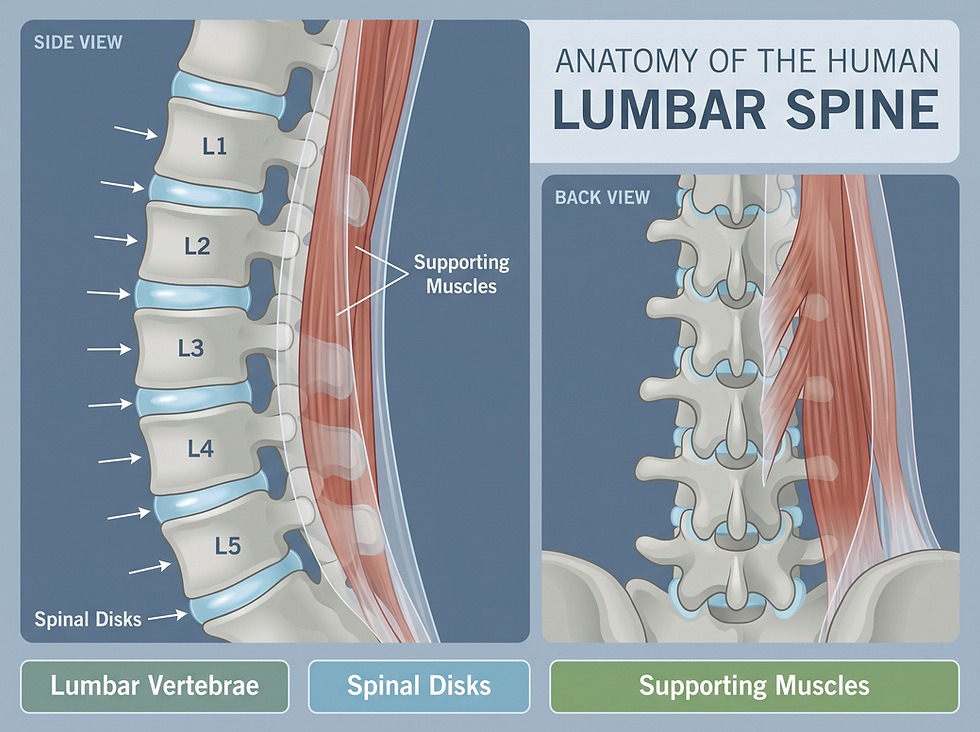
The lower back, or lumbar region, serves as the foundation for the body's stability and balance. It supports the majority of the body's weight and provides the necessary attachment points for muscles and ligaments that enable movement in all directions. Because this area is under constant pressure, it is the most common site for injury and chronic discomfort.
Nearly everyone will encounter lower back pain at some point. While many instances are mild and resolve on their own, the pain can become severe enough to interfere with daily activities like walking, sleeping, or working. Understanding the difference between acute injury and chronic conditions is the first step toward effective relief.
Recognizing Symptoms and Warning Signs
Lower back pain manifests in a wide spectrum of sensations. Some individuals experience a sharp, sudden pain following a specific movement, while others deal with a persistent, dull ache that develops gradually. The pain may be localized or radiate down the buttocks and legs, a condition commonly known as sciatica.
Physical signs often accompany the pain. Stiffness can make it difficult to move or straighten the back, and muscle spasms may cause uncontrollable contractions that are both painful and debilitating. In some cases, the pain affects posture, leading to a "crooked" or bent appearance as the body attempts to compensate for the discomfort.
Symptom Type | Common Experiences |
Pain Quality | Sharp, dull, achy, persistent, or intermittent. |
Physical Signs | Stiffness, muscle spasms, decreased range of motion. |
Radiation | Pain traveling to the buttocks or down the back of the leg. |
Posture Changes | Difficulty standing straight, torso misalignment, flattened lumbar curve. |
Triggers | Sudden onset after lifting or bending; worse when crouching. |
Identifying the Root Causes
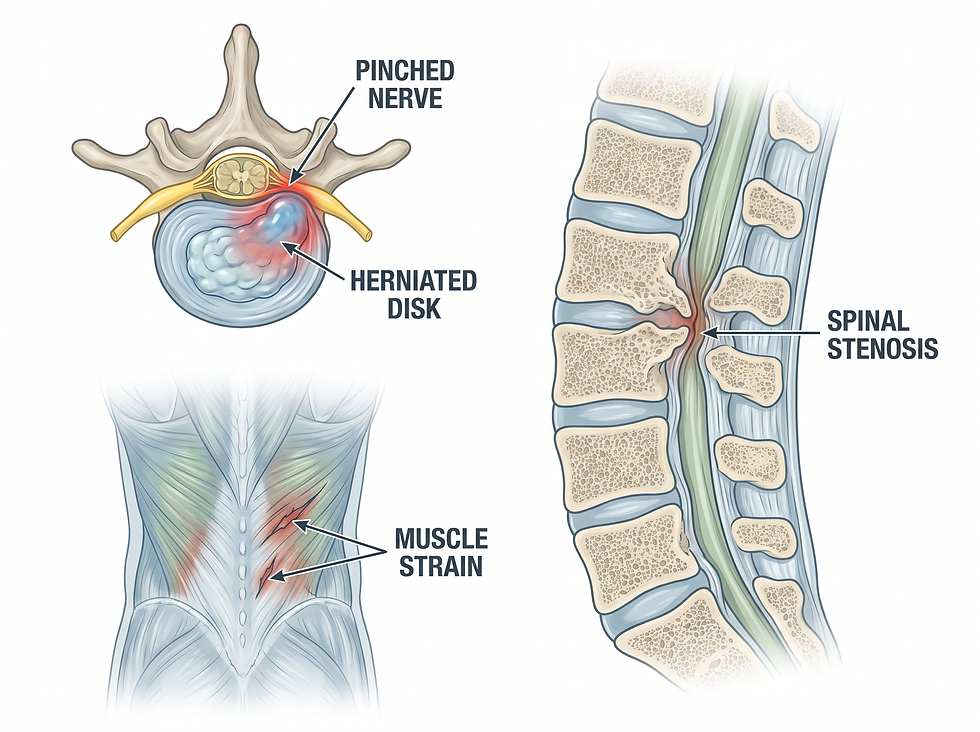
The most frequent causes of lower back pain are strains and sprains, often resulting from lifting heavy objects or sudden, awkward movements. However, the condition can also be linked to more complex issues. Disk problems, such as bulging or herniated disks, can pinch nerves and cause significant pain. Structural issues like spinal stenosis or scoliosis also play a major role in chronic discomfort.
Beyond physical injury, other factors can contribute to lumbar pain. Arthritis, particularly osteoarthritis, is a common culprit in older adults. Temporary conditions, including menstrual cramps and pregnancy-related changes, also frequently cause lower back discomfort. In rare cases, back pain may be a symptom of an underlying disease, such as an infection or a tumor.
Risk Factors and Prevention
Certain factors significantly increase the likelihood of developing lower back pain. Age is a primary driver, as spinal disks naturally wear down over time, typically beginning after age 30. Lifestyle choices also matter; individuals with a BMI over 25 or those who smoke have a higher risk due to increased pressure on the spine and reduced blood flow.
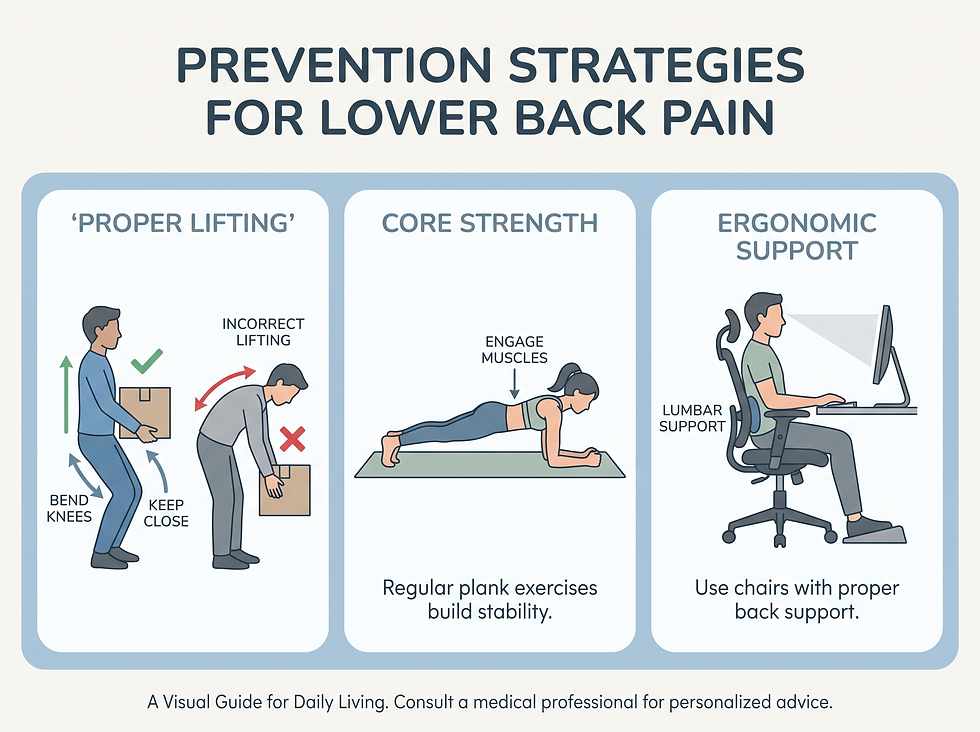
Maintaining core strength is one of the most effective ways to prevent back injuries. Weak abdominal muscles fail to provide the necessary support for the spine, leaving it vulnerable to strains. Occupations that require frequent bending or heavy lifting also demand extra caution to avoid long-term damage.
Risk Factor | Impact on the Lower Back |
Age | Natural wear and tear of spinal disks after age 30. |
Weight | Excess weight (BMI > 25) puts pressure on joints and disks. |
Core Strength | Weak abdominal muscles fail to support the lumbar spine. |
Occupation | Jobs involving heavy lifting or frequent twisting/bending. |
Lifestyle | Smoking and limited physical activity increase injury risk. |
Conclusion
Lower back pain is a complex and common condition that affects millions of people worldwide. While the majority of cases are related to simple muscle strains, the potential for chronic pain or structural issues makes it essential to listen to your body. By addressing risk factors and utilizing modern management strategies like physical therapy and rest, most individuals can find relief and regain their quality of life.
If you are experiencing persistent or severe lower back pain that interferes with your daily life, consult a healthcare professional. Developing a personalized management plan early can help prevent chronic issues and keep you moving comfortably.
Frequently Asked Questions
1. What is the most common cause of lower back pain?
The most common causes are strains and sprains, which occur when muscles, tendons, or ligaments in the back are injured during activity.
2. How do I know if my back pain is serious?
You should seek medical attention if the pain is severe, persists for more than a few weeks, or is accompanied by numbness, weakness, or unintended weight loss.
3. What is the difference between a strain and a sprain?
A strain is an injury to a muscle or tendon, while a sprain is an injury to a ligament that connects bones.
4. Can pregnancy cause lower back pain?
Yes. Hormonal changes, weight gain, and a shifting center of gravity commonly lead to lower back discomfort during pregnancy.
5. What is sciatica?
Sciatica is pain that radiates along the path of the sciatic nerve, traveling from the lower back through the buttocks and down each leg.
6. How does age affect the lower back?
As you age, the disks in your spine naturally wear down and lose their cushioning ability, which can lead to stiffness and pain.
7. Can poor posture lead to chronic pain?
Yes. Consistent poor posture puts uneven stress on the spine and supporting muscles, which can eventually lead to chronic discomfort.
8. What are muscle spasms?
Muscle spasms are uncontrollable contractions of the back muscles that often occur as a protective response to an injury.
9. Is walking good for lower back pain?
In many cases, gentle walking can help improve blood flow and maintain flexibility, but you should always follow a professional's advice.
10. When should I see a doctor for back pain?
Consult a provider if your pain follows a significant injury, keeps you from daily activities, or if you feel something is "off" with your spine.
11. Can stress or depression cause back pain?
There is a documented connection between mental health and physical pain; stress can lead to muscle tension that exacerbates back issues.
12. What is spinal stenosis?
It is a structural condition where the spinal column narrows, potentially pinching the spinal cord or nerves and causing pain.
13. Are there exercises to strengthen the lower back?
Yes. Focusing on core-strengthening exercises that target the abdominal and back muscles can provide better support for the spine.
14. Can kidney stones feel like back pain?
Yes. Pain from kidney stones often originates in the back or side and can be mistaken for a musculoskeletal issue.
15. How can I prevent lower back pain at work?
Use ergonomic furniture, maintain proper posture, and take regular breaks to stretch and move if your job involves prolonged sitting or lifting.
Medical Disclaimer
The information provided in this article is for educational purposes only and should not be considered medical advice. Always seek the counsel of a qualified healthcare professional regarding any back pain or spinal health concerns.
Comments