Understanding Latent Autoimmune Diabetes in Adults (LADA): The "Type 1.5" Guide

Updated: 2 days ago
Medically reviewed by Dr. Baraa Alnahhal, MD · Last reviewed: September 2026
TL;DR
Latent Autoimmune Diabetes in Adults (LADA), often called Type 1.5 diabetes, is a slow-progressing autoimmune condition that shares traits with both Type 1 and Type 2 diabetes. While it begins gradually in adulthood, it eventually requires insulin treatment as the body’s immune system destroys insulin-producing cells. Early diagnosis through antibody testing is crucial to avoid complications like kidney damage and heart disease.
Quick Answer
Latent Autoimmune Diabetes in Adults (LADA) is an autoimmune form of diabetes that typically affects adults aged 30 to 50. It is frequently misdiagnosed as Type 2 diabetes because its symptoms—such as excessive thirst, fatigue, and blurred vision—develop slowly. However, unlike Type 2, LADA is caused by antibodies attacking the pancreas, eventually leading to a complete loss of insulin production. Management transitions from oral medications to mandatory insulin injections as the condition progresses.
What Is LADA?

Latent Autoimmune Diabetes in Adults, commonly referred to as LADA or Type 1.5 diabetes, represents a unique clinical intersection between the two most well-known forms of diabetes. It is characterized by the autoimmune destruction of insulin-producing beta cells in the pancreas, a hallmark of Type 1 diabetes, yet it manifests in adulthood with a gradual onset that closely resembles Type 2 diabetes. This dual nature often leads to clinical confusion, with many patients initially receiving an incorrect diagnosis.
The prevalence of LADA is surprisingly high, affecting an estimated 4% to 12% of individuals who are initially diagnosed with Type 2 diabetes. Given that over 500 million adults worldwide live with Type 2 diabetes, millions of people may unknowingly be managing LADA. Recognizing the distinction is critical, as the underlying autoimmune process dictates a different long-term treatment trajectory than traditional Type 2 management.
Symptoms and Clinical Presentation
The symptoms of LADA are virtually identical to those found in other forms of diabetes, primarily resulting from elevated blood sugar levels. Individuals often experience polydipsia, or excessive thirst, accompanied by a frequent need to urinate. Other common signs include unexplained weight loss, persistent fatigue, and blurred vision. Some patients may also notice itchy or unusually dry skin as the condition progresses.
Because LADA develops slowly, these symptoms may remain mild for months or even years. During this "latent" phase, the pancreas continues to produce enough insulin to prevent acute illness, which further contributes to the likelihood of misdiagnosis. However, as the autoimmune attack continues, the insulin deficiency becomes more pronounced, leading to worsening symptoms and an increased risk of complications.
Causes and Physiological Mechanisms
The primary cause of LADA is an autoimmune response where the body's immune system mistakenly produces antibodies that target and destroy pancreatic cells. This process prevents the release of insulin, the hormone responsible for regulating glucose in the bloodstream. While the exact triggers for this autoimmune action remain unknown, researchers have identified a strong genetic component, suggesting that family history plays a significant role in susceptibility.
Unlike Type 1 diabetes, which often appears suddenly in childhood, LADA involves a much slower destruction of pancreatic function. This gradual decline is why it is frequently mistaken for Type 2 diabetes, which is typically driven by insulin resistance rather than an autoimmune attack. However, lifestyle factors such as obesity can also play a role in the development and management of LADA, complicating the clinical picture.
Feature | LADA (Type 1.5) | Type 1 Diabetes | Type 2 Diabetes |
Onset | Gradual (Adults) | Sudden (Children/Teens) | Gradual (Adults) |
Cause | Autoimmune | Autoimmune | Insulin Resistance |
Insulin Need | Eventually Mandatory | Immediate | Variable |
Initial Treatment | Oral Meds or Insulin | Insulin Injections | Lifestyle & Oral Meds |
Diagnostic Procedures

Diagnosing LADA often begins when standard Type 2 treatments, such as lifestyle changes and oral medications like metformin, fail to maintain healthy blood sugar levels. When a patient’s glucose remains high despite these efforts, healthcare providers may suspect an autoimmune component. The definitive diagnostic tool is the GAD Antibodies Test, which identifies autoantibodies targeting glutamic acid decarboxylase in the pancreas.
In addition to antibody testing, providers may order a C-peptide test. This measurement indicates how much insulin the pancreas is currently producing. Low C-peptide levels in an adult with diabetes symptoms are a strong indicator that the body is losing its ability to regulate blood sugar naturally. Together, these tests allow for an accurate classification, ensuring that the patient receives the appropriate level of care.
Diagnostic Test | What it Measures | Significance for LADA |
GAD Antibodies Test | Autoimmune markers | Confirms the autoimmune nature of the diabetes. |
C-peptide Test | Insulin production levels | Determines the remaining pancreatic function. |
Blood Glucose Test | Current sugar levels | Monitors the severity of hyperglycemia. |
Management and Treatment Strategies
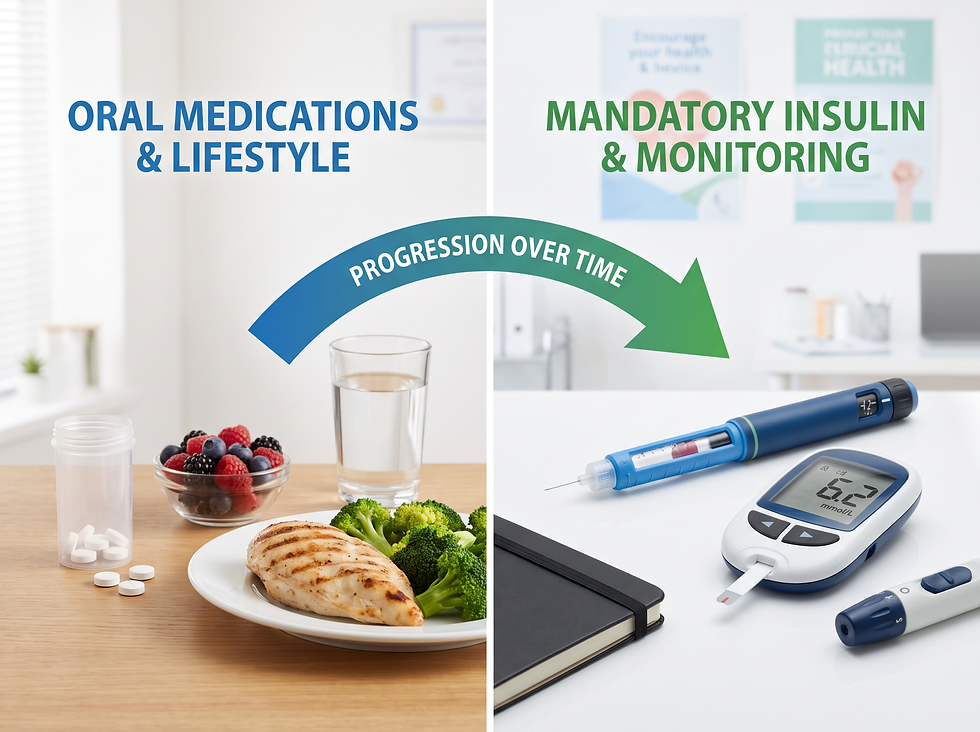
The treatment of LADA is unique because it often changes over time. In the early stages, many patients respond well to oral diabetes medications and dietary adjustments. However, as the autoimmune process continues to destroy insulin-producing cells, these medications eventually lose their effectiveness. Most individuals with LADA will eventually require daily insulin injections to manage their blood sugar and prevent long-term damage. For more on one class of oral diabetes drugs, see our guide to alpha-glucosidase inhibitors.
There is ongoing discussion among medical experts regarding the best time to initiate insulin therapy. Some advocate for early insulin use to preserve remaining pancreatic function, while others wait until oral medications are no longer sufficient. Regardless of the starting point, consistent blood sugar monitoring is essential. Effective management is the primary defense against serious complications, including heart disease, kidney damage, and the life-threatening condition known as diabetic ketoacidosis (DKA). Long-term diabetes can also affect the feet; see our guide to diabetes-related foot conditions.
Conclusion
Latent Autoimmune Diabetes in Adults is a complex condition that requires a nuanced understanding of both autoimmune and metabolic health. While a LADA diagnosis can be challenging, particularly after an initial misdiagnosis, it provides the clarity needed for effective long-term management. By transitioning to appropriate treatments like insulin and maintaining a healthy lifestyle, individuals with LADA can lead full lives while minimizing the risk of chronic complications.
Next Steps
If you have been diagnosed with Type 2 diabetes but find your blood sugar difficult to manage despite following your treatment plan, speak with your healthcare provider about LADA. Requesting a GAD antibody test could be the key to receiving the right diagnosis and the most effective treatment for your long-term health.
Frequently Asked Questions
What does LADA stand for?
LADA stands for Latent Autoimmune Diabetes in Adults. It is also commonly referred to as Type 1.5 diabetes.
Why is LADA called Type 1.5 diabetes?
It is called Type 1.5 because it shares the autoimmune cause of Type 1 diabetes but has the gradual adult onset typical of Type 2 diabetes.
How is LADA different from Type 2 diabetes?
While both appear in adults, Type 2 is usually caused by insulin resistance, whereas LADA is caused by the immune system attacking the pancreas.
What are the first signs of LADA?
Early signs include excessive thirst, frequent urination, fatigue, and blurred vision, similar to other forms of diabetes.
Can LADA be prevented?
Currently, there is no known way to prevent LADA because it is an autoimmune condition that occurs beyond an individual's control.
Who is most at risk for LADA?
Adults between the ages of 30 and 50 are most commonly diagnosed. A family history of autoimmune conditions or diabetes also increases risk.
Why is LADA so often misdiagnosed?
Because it develops slowly in adults, doctors often assume it is Type 2 diabetes without running the specific antibody tests required to identify LADA.
What is the GAD antibody test?
It is a blood test that looks for specific markers indicating that the immune system is attacking the pancreas.
Will I eventually need insulin if I have LADA?
Yes, almost all individuals with LADA will eventually need insulin as their pancreas loses the ability to produce it.
How long does it take to transition to insulin?
The timeline varies; it can take anywhere from a few months to several years after the initial symptoms appear.
Can diet and exercise cure LADA?
There is no cure for LADA. While a healthy diet and exercise are essential for management, they cannot stop the autoimmune attack on the pancreas.
What is diabetic ketoacidosis (DKA)?
DKA is a life-threatening complication where the body produces high levels of blood acids (ketones) because it cannot use sugar for energy.
Does LADA affect life expectancy?
LADA does not inherently decrease lifespan, provided that blood sugar levels are consistently and effectively managed.
Can children get LADA?
No, by definition, LADA occurs in adults. Similar autoimmune diabetes in children is classified as Type 1.
What should I do if my Type 2 medication isn't working?
If oral medications are failing, you should ask your doctor for GAD antibody and C-peptide testing to rule out LADA.
Medical Disclaimer: The information provided in this article is for educational purposes only and is not intended as medical advice, diagnosis, or treatment. Always seek the advice of your physician or other qualified health provider with any questions you may have regarding a medical condition. Never disregard professional medical advice or delay in seeking it because of something you have read here.
Comments