Understanding Human Placental Lactogen: The Metabolic Regulator of Pregnancy

Updated: 24 minutes ago
Medically reviewed by Dr. Baraa Alnahhal, MD · Last reviewed: September 2026
TL;DR
Human placental lactogen (hPL) is a hormone made by the placenta during pregnancy. It has a dual role: it prepares the body for breastfeeding and adjusts the mother's metabolism so the developing fetus gets enough nutrients. Blood tests that measure hPL help healthcare providers assess placental health and fetal development.
Quick Answer
Human placental lactogen is a hormone released by the placenta that regulates maternal metabolism and insulin sensitivity so nutrients flow to the fetus first. It also stimulates the milk glands in preparation for breastfeeding. Detectable by about the sixth week of pregnancy, its levels rise steadily until delivery, making it a useful indicator of placental function and fetal well-being.
The Essential Function of Human Placental Lactogen
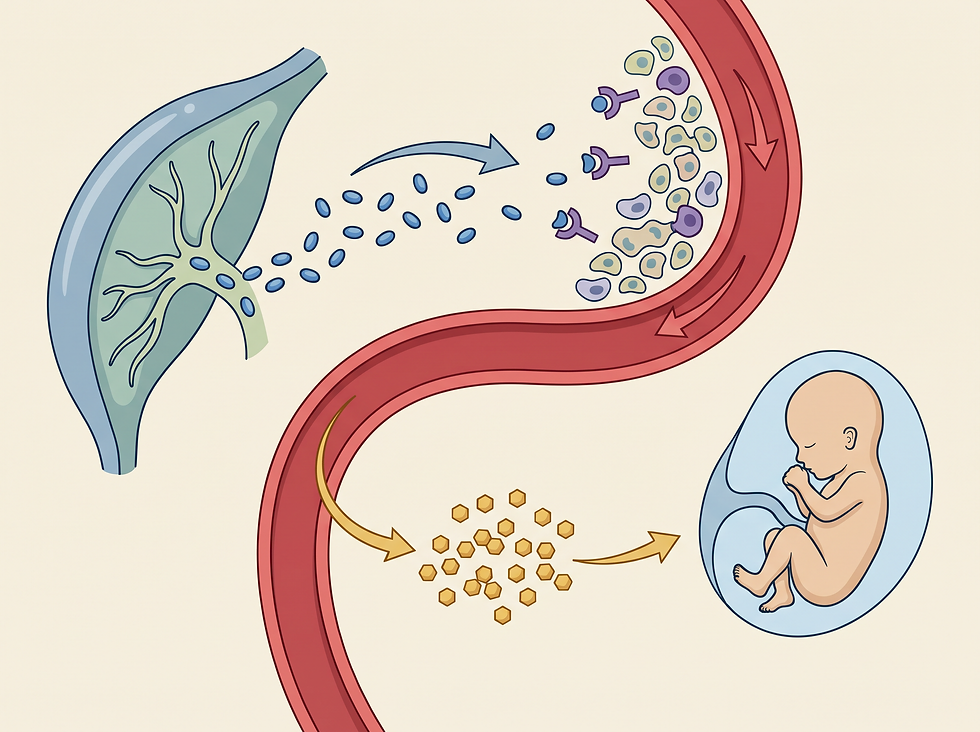
Human placental lactogen, also called human chorionic somatomammotropin (HCS), is a hormone produced only by the placenta. The placenta is a temporary organ that exchanges oxygen and nutrients and removes waste from the fetal bloodstream. hPL's main job is to orchestrate the metabolic changes that support rapid fetal growth.
One of its most important effects is on insulin sensitivity. By making the mother's body less sensitive to insulin, hPL keeps glucose in her bloodstream longer, where the developing fetus can easily reach it. At the same time, hPL stimulates the development of milk glands in the breasts, laying the physiological groundwork for breastfeeding after delivery.
Monitoring hPL Levels During Pregnancy
Healthcare providers may monitor hPL with a simple blood test, typically starting around the sixth week of gestation. These levels are a reliable benchmark for placental health and the progress of fetal development. They rise naturally as pregnancy advances, peak in the third trimester, and return to baseline after birth.
Pregnancy stage | Normal hPL level range (mcg/mL) |
Non-pregnant | 0.00 - 0.10 |
First trimester | 0.20 - 2.10 |
Second trimester | 0.50 - 6.70 |
Third trimester | 4.50 - 12.80 |
Interpreting Test Results and Clinical Indicators
An hPL test is often ordered when specific clinical concerns arise, such as unusual findings on a prenatal ultrasound, low amniotic fluid, or an increased risk of conditions like gestational hypertension or gestational diabetes. Understanding the levels allows proactive management of the pregnancy.
hPL level status | Potential clinical indications |
Unexpectedly high | Multiple fetuses (twins or triplets), gestational diabetes |
Unexpectedly low | Preeclampsia, fetal growth restriction, placental insufficiency, miscarriage risk |
Proactive Strategies for Pregnancy Health
You cannot directly control your hormone levels, but healthy habits can significantly lower the risk of complications linked to abnormal hPL activity, such as high blood pressure and gestational diabetes. A balanced internal environment supports the placenta's vital work.
Nutritional excellence: eat plenty of fruits, vegetables, and healthy proteins. Avoid processed junk foods and beverages high in sugar.
Healthy fat sources: include beneficial fats such as olive oil, and limit fried and heavily processed foods.
Consistent activity: get regular, moderate exercise as recommended by your healthcare provider to support cardiovascular and metabolic health.
Weight management: aim for a healthy weight through balanced nutrition and consistent physical activity.

Conclusion
Human placental lactogen is a cornerstone of a healthy pregnancy, acting as a master regulator that balances the needs of the mother and the developing fetus. By preparing the body for lactation and keeping a steady supply of nutrients flowing to the womb, hPL fulfills a critical biological role. Staying informed about these hormonal processes and keeping up healthy habits gives both mother and baby the best chance at good outcomes.
Take Action for a Healthy Pregnancy
A healthy pregnancy is a partnership with your healthcare team. If your provider recommends an hPL test, use the appointment to discuss your metabolic health and any risk of gestational complications. By prioritizing nutrition and keeping regular check-ups, you support your body's natural ability to nurture and protect your baby.
Frequently Asked Questions
What is the main purpose of hPL? It regulates the mother's metabolism so the fetus gets enough nutrients, and it prepares the body for breastfeeding.
When can hPL be detected? It can be measured in the blood as early as the sixth week of pregnancy.
Does hPL affect insulin? Yes. It decreases the mother's insulin sensitivity to keep more glucose available for the fetus.
Are hPL levels higher with twins? Yes, levels are typically higher in multiple pregnancies.
What does a low hPL level mean? It may point to preeclampsia, fetal growth problems, or problems with the placenta.
Can I control my hPL levels? No. You cannot control hormone levels directly, but you can support your overall health through diet and exercise.
What is another name for hPL? It is also called human chorionic somatomammotropin (HCS).
What organ produces hPL? The placenta produces and releases this hormone.
Does hPL help with breastfeeding? Yes. It stimulates the milk glands to prepare for lactation.
Is a blood test the only way to measure hPL? Yes. A simple blood test is used to measure the hormone's concentration.
What happens to hPL levels after birth? They return to normal non-pregnant levels shortly after delivery.
Can high hPL indicate diabetes? Unexpectedly high levels may be an indicator of gestational diabetes.
Is hPL tested in every pregnancy? Not always. It is often tested when there are specific concerns, such as low amniotic fluid or high blood pressure.
What foods support healthy pregnancy hormones? A diet rich in fruits, vegetables, whole grains, and healthy proteins is recommended.
Why is the placenta important for hPL? The placenta is the temporary organ that produces hPL and releases it into the bloodstream.
References
Medical Disclaimer: This information is for educational purposes only and should not be considered medical advice. Always consult a qualified healthcare provider for diagnosis and treatment of any health condition.
Comments