Understanding Eccrine Glands: The Body's Natural Cooling System

Updated: 2 hours ago
Medically reviewed by Dr. Baraa Alnahhal, MD · Last reviewed: September 2026
Quick answer
Eccrine glands are microscopic structures located within the skin that produce and secrete sweat to cool the body. Found in millions across the body—most densely on the palms and soles—they respond to heat, physical exertion, and stress by releasing a mixture of water and electrolytes. This process, managed by the hypothalamus, is critical for preventing heat-related illnesses such as heatstroke and exhaustion.
TL;DR
Eccrine glands are the primary sweat glands responsible for thermoregulation, spread across nearly the entire human body. By producing a watery secretion that evaporates on the skin's surface, these glands disperse heat and prevent the body from reaching dangerous temperatures. Understanding their function and common disorders like hyperhidrosis is essential for maintaining optimal skin and systemic health.
The foundation of thermoregulation
Every human possesses between two and four million eccrine glands, which serve as the body's primary mechanism for temperature control. These tiny structures are part of the exocrine system, meaning they release substances through ducts directly onto the skin's surface. Unlike other gland types, eccrine glands are active from birth, providing immediate protection against overheating for infants and adults alike.
The distribution of these glands is nearly universal, covering the body from the face to the feet. However, their density varies significantly by location. The palms of the hands and the soles of the feet contain the highest concentration, with hundreds of glands packed into a space smaller than a postage stamp. This widespread presence ensures that the body can efficiently dissipate heat regardless of environmental conditions or activity levels.
Eccrine vs. apocrine glands
It is important to distinguish eccrine glands from apocrine glands, the two primary types of sweat glands in the human body. While both contribute to perspiration, they differ in composition, location, and activation timing.
Feature | Eccrine glands | Apocrine glands |
Primary function | Cooling the body (thermoregulation) | Scent production and stress response |
Sweat composition | Watery, clear, light | Oily, thick, protein-rich |
Activation timing | Active from infancy | Active starting at puberty |
Primary locations | Entire body (dense on palms/soles) | Armpits and groin areas |
Functional anatomy and sweat production
Each eccrine gland consists of two primary components that work in tandem to manage perspiration. The secretory coil, located deep within the dermis, is responsible for producing the sweat itself. This fluid is then transported through a narrow duct that travels upward through the skin layers to reach the surface.
The duct system is not merely a transport tube; it plays a vital role in electrolyte balance. As sweat moves through the duct, the body reabsorbs essential salts, such as sodium and chloride, to prevent excessive loss during periods of high perspiration. Scientists further divide this duct into three subunits: the coiled and straight sections within the dermis, and the final coiled section, known as the acrosyringium, which penetrates the epidermis to open onto the skin.
The process of cooling
The body maintains a stable internal temperature through a sophisticated feedback loop. When the hypothalamus detects an increase in body temperature—whether from hot weather, exercise, or fever—it triggers the release of neurotransmitters. These chemical messengers signal the eccrine glands to increase sweat production immediately.
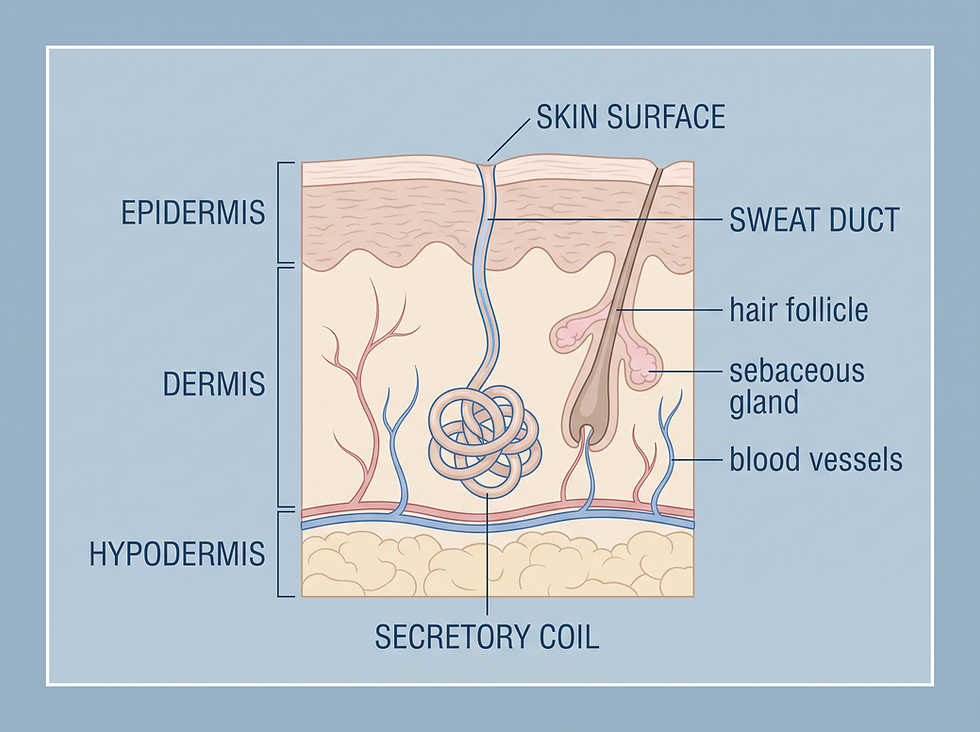
Figure 1: Anatomical structure of an eccrine gland and its role in the body's cooling mechanism.
Once the watery sweat reaches the skin's surface, it undergoes evaporation, transitioning from a liquid to a gas. This physical change consumes heat energy from the skin, effectively lowering the body's overall temperature. During intense activity, these glands can produce up to four liters of sweat in a single hour, demonstrating their remarkable capacity for heat management.
Common conditions and health impact
When eccrine glands function correctly, they provide a vital defense against heat exhaustion and heatstroke. However, several conditions can disrupt this balance, leading to significant health challenges.
Condition | Description | Health impact |
Anhidrosis | Reduced or absent sweating | High risk of overheating and heat-related illness |
Hyperhidrosis | Excessive sweating beyond cooling needs | Social discomfort, skin irritation, and hydration issues |
Heat rash | Clogged sweat gland ducts | Itchy, uncomfortable skin eruptions |

Figure 2: Visual representation of how glandular dysfunction affects skin health and systemic temperature.
Maintaining glandular health
Supporting the health of your eccrine glands involves both proactive care and monitoring for signs of dysfunction. Because these glands rely on hydration to function, maintaining adequate fluid and electrolyte levels is paramount, especially during physical exertion.

Figure 3: Core pillars of sweat gland health, including hydration, skin hygiene, and environmental management.
Conclusion
Eccrine glands are an essential, though often overlooked, component of human physiology. By providing a reliable and high-capacity cooling system, they allow the body to adapt to a wide range of environments and activity levels. Recognizing the importance of these microscopic structures and the conditions that affect them is key to long-term wellness and safety.
Take action for skin health
Your next step: Maintaining healthy sweat gland function requires consistent attention to your body's signals and environment.
Monitor sweating patterns: Pay attention if you sweat excessively without cause or fail to sweat during exercise.
Practice good hygiene: Keep skin clean to prevent duct clogs and heat rash, especially in humid conditions.
Stay hydrated: Ensure you replace the water and electrolytes lost through perspiration.
Consult professionals: Speak with a healthcare provider if sweating patterns negatively impact your daily life or if you experience chronic heat-related symptoms.
Frequently asked questions
What are eccrine glands?
They are the body's primary sweat glands responsible for cooling and temperature regulation.
Where are eccrine glands found?
They are located all over the body, with the highest density on the palms and soles.
How do eccrine glands cool the body?
They produce watery sweat that evaporates on the skin, dispersing heat energy.
What is the difference between eccrine and apocrine glands?
Eccrine glands cool the body and are active from birth; apocrine glands produce oily sweat and activate at puberty.
How much sweat can eccrine glands produce?
They can produce up to four liters of sweat in a single hour during intense heat or activity.
What is anhidrosis?
A condition where a person cannot sweat properly, leading to a high risk of overheating.
What causes hyperhidrosis?
It can be caused by genetics, underlying medical conditions, or side effects from certain medications.
What is a heat rash?
A skin irritation caused by clogs in the sweat gland ducts.
When do eccrine glands start working?
They become active immediately after birth.
What is the acrosyringium?
It is the final coiled part of the sweat duct that passes through the top layer of the skin.
Do eccrine glands reabsorb anything?
Yes, the ducts reabsorb sodium and chloride to prevent excessive electrolyte loss.
What part of the brain controls sweating?
The hypothalamus manages the body's internal temperature and signals the glands to sweat.
Are eccrine glands part of the endocrine system?
No, they are part of the exocrine system because they release substances through ducts.
How many eccrine glands does a person have?
The average person has between two and four million eccrine sweat glands.
What should I do if I don't sweat during a workout?
You should consult a healthcare provider, as this may be a sign of anhidrosis.
References
Disclaimer: The information provided in this article is for educational purposes only and should not be considered medical advice. Always consult with a qualified healthcare professional regarding any concerns related to sweating, skin health, or heat-related symptoms.
Health information, not medical advice. This article is for general education and is not a substitute for professional diagnosis or treatment. Always consult a qualified healthcare provider about your own health, and seek emergency care for urgent symptoms.
Comments