Understanding Cholecystokinin: The Hormone of Digestion and Satiety

Updated: 2 days ago
Medically reviewed by Dr. Baraa Alnahhal, MD · Last reviewed: September 2026
TL;DR
Cholecystokinin (CCK) is a vital hormone produced in the small intestine that triggers the release of bile and enzymes necessary for digestion. Beyond its role in breaking down fats and proteins, it serves as a key regulator of appetite, signaling the brain when the body is full.
Quick Answer
Cholecystokinin, often abbreviated as CCK, is a hormone secreted by the small intestine during the digestive process. Its primary role is to stimulate the gallbladder and pancreas to release bile and digestive enzymes into the duodenum, facilitating the breakdown of fats and proteins. Additionally, CCK acts as a natural appetite suppressant by slowing stomach emptying and signaling satiety to the brain via the vagal nerves. Imbalances in this hormone are being studied for their links to obesity and anxiety disorders.
Cholecystokinin is a fundamental chemical messenger in the human body, primarily functioning within the digestive system. While its name literally translates to "move the gallbladder," its influence extends far beyond a single organ, coordinating a complex series of events that ensure food is processed efficiently and nutrients are absorbed properly.
The Essential Roles of Cholecystokinin
When fats and proteins enter the first part of the small intestine, specialized cells in the mucosal lining detect these nutrients and release cholecystokinin into the bloodstream. Once in circulation, the hormone targets several key organs to initiate the next phase of digestion.
Function | Biological Action | Result |
|---|---|---|
Gallbladder Stimulation | Triggers contraction of the gallbladder. | Release of bile into the small intestine. |
Pancreatic Activation | Stimulates the release of pancreatic enzymes. | Breakdown of complex proteins and fats. |
Gastric Regulation | Suppresses the rate of gastric emptying. | Prevents the stomach from overloading the intestine. |
Appetite Control | Signals the brain through the vagal nerves. | Induction of physical fullness and satiety. |
Anatomy and Distribution
Although cholecystokinin is primarily associated with the gut, its receptors are distributed throughout the body. This widespread presence allows the hormone to communicate across different systems, including the central nervous system.
Location | Receptor Presence | Primary Impact |
|---|---|---|
Gallbladder | Muscle tissue | Bile secretion |
Stomach | Mucosal lining | Satiety signaling |
Intestines | Muscle wall | Peristalsis (movement) |
Brain | Central nervous system | Anxiety and panic modulation |

Beyond Digestion: The Brain and Metabolic Health
Emerging research highlights the significance of cholecystokinin in mental and metabolic health. In the brain, elevated levels of certain CCK fragments are associated with increased anxiety and panic responses. Conversely, in the realm of metabolic health, scientists are investigating how genetic variations in cholecystokinin production may contribute to obesity. Some evidence suggests that individuals with severe obesity may have a decreased sensitivity to the satiety signals provided by this hormone.
For a broader look at weight and metabolic health, see our complete guide to obesity: symptoms, causes, complications and treatment.

Clinical Testing and Diagnostic Use
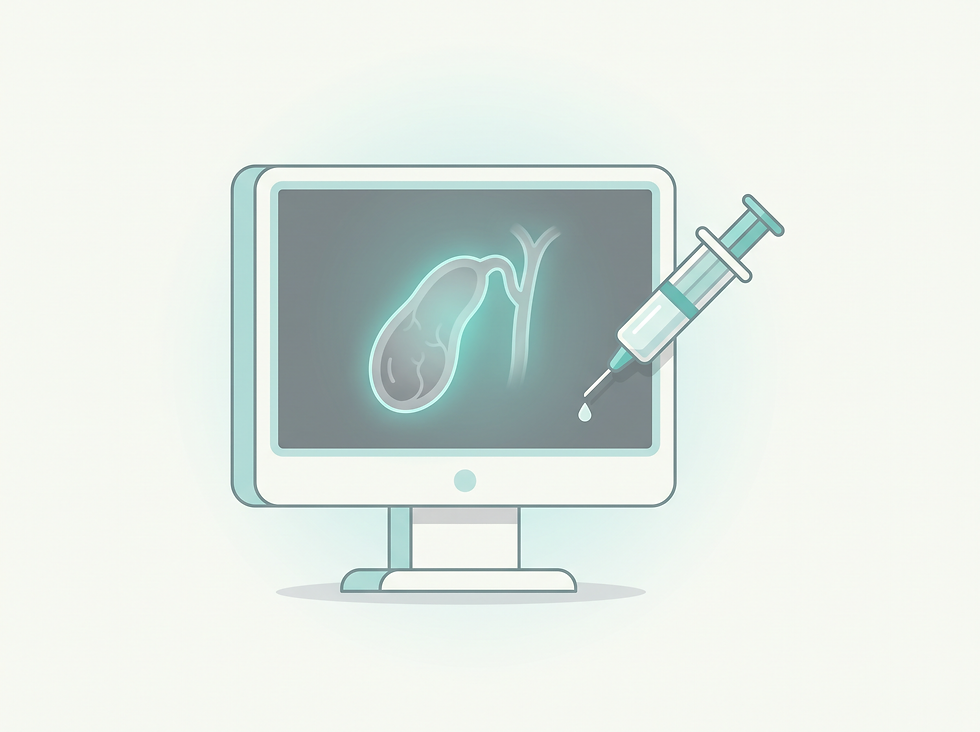
Cholecystokinin is frequently used in clinical settings to evaluate the health of the biliary system. During a HIDA scan — a specialized nuclear medicine imaging test — a synthetic version of the hormone may be injected to observe how well the gallbladder contracts. This helps healthcare providers identify functional issues such as biliary dyskinesia or gastroparesis, where the physical movement of the digestive tract is impaired.
Conclusion
Cholecystokinin is a cornerstone of metabolic and digestive health. By coordinating the release of essential fluids and regulating the pace of food processing, it ensures the body can effectively harness energy from the diet. As research continues into its role in the brain and its potential for weight management therapies, the importance of this small but powerful hormone only grows.
Next Steps for Health
If you experience persistent digestive discomfort or issues with satiety, discussing hormonal regulation with a specialist may be beneficial. While CCK is not currently a direct target for common medications, understanding its role in gallbladder function can provide clarity during diagnostic procedures like HIDA scans. Maintaining a balanced intake of healthy fats and proteins can naturally support the healthy release and function of this vital hormone.
The pancreas is one of CCK's main targets. To learn what happens when it becomes inflamed, read our guide to pancreatitis: symptoms, causes, and treatment.
Frequently Asked Questions
1. What is cholecystokinin?
It is a hormone produced in the small intestine that plays a major role in digestion and appetite regulation.
2. What does the name cholecystokinin mean?
It literally means "move the gallbladder," referring to its ability to make the gallbladder contract.
3. Where is cholecystokinin produced?
It is secreted by I-cells in the mucosal lining of the duodenum, which is the first part of the small intestine.
4. What triggers the release of this hormone?
The presence of fats and proteins in the small intestine triggers its release.
5. How does it help with digestion?
It stimulates the gallbladder to release bile and the pancreas to release digestive enzymes.
6. Does cholecystokinin affect the stomach?
Yes, it slows down gastric emptying, ensuring the small intestine isn't overwhelmed with food.
7. How does it influence appetite?
It signals the brain through the vagal nerves to create a feeling of fullness or satiety.
8. What is the other name for cholecystokinin?
It is sometimes called pancreozymin because it stimulates the pancreas.
9. Can cholecystokinin affect the brain?
Yes, it is found in the central nervous system and is linked to anxiety and panic modulation.
10. What is a CCK test?
It is an injection of the hormone during a HIDA scan to see how well the gallbladder contracts.
11. How is it related to obesity?
Some research suggests that reduced sensitivity to CCK or genetic variations may contribute to obesity.
12. Does it interact with other hormones?
Yes, it works alongside hormones like leptin to regulate hunger and energy balance.
13. What is peristalsis?
It is the muscle contraction in the intestines that CCK triggers to move food along.
14. What happens if CCK levels are low?
Low levels may be associated with conditions like gastroparesis or impaired gallbladder function.
15. Are there medications that use cholecystokinin?
While not used as a direct treatment, researchers use CCK-4 fragments to test new anxiety-reducing drugs.
Medical Disclaimer: This article is for informational purposes only and does not constitute medical advice. Consult a healthcare professional for diagnosis and treatment.
Source Date: May 25, 2022
Comments