Restoring Urinary Flow: A Guide to Posterior Urethral Reconstruction

Updated: 2 days ago
Medically reviewed by Dr. Baraa Alnahhal, MD · Last reviewed: September 2026
TL;DR
Posterior urethral reconstruction is a specialized surgery for males designed to repair severe narrowing in the section of the urethra near the bladder and prostate. Typically required after pelvic trauma or prostate cancer treatment, the procedure involves removing scarred tissue and rejoining the healthy ends of the urethra. While the recovery period involves several weeks with a catheter and specific activity restrictions, the surgery boasts high long-term success rates in restoring normal urinary flow and protecting kidney health.
Quick Answer
Posterior urethral reconstruction is a 3-to-6-hour surgical procedure used to fix a urethral stricture, a narrowing that slows or stops the flow of urine. By removing damaged tissue and reattaching healthy segments, urologists can restore a patient's ability to pee comfortably. Most common after pelvic fractures or radiation therapy, the surgery has a success rate of over 90% for trauma cases. Recovery takes approximately eight weeks, during which the bladder is temporarily drained by a catheter to allow the internal repairs to heal.

Figure 1: Illustration showing a localized urethral stricture restricting urinary flow.
Understanding the Posterior Urethra
The urethra is the essential tube that carries urine and semen out of the male body. The "posterior" section is a specific one- to two-inch segment that begins at the base of the bladder and passes through the prostate gland and the pelvic floor muscles. When this section becomes narrowed, a condition known as a urethral stricture, it can significantly impact quality of life by weakening the urine stream or causing a complete inability to urinate.
Urethral strictures in this area are most commonly the result of significant physical trauma, such as pelvic fractures from automobile accidents or falls. They can also develop as a side effect of medical treatments, including radiation therapy for prostate cancer or surgical procedures like a radical prostatectomy. Left untreated, these strictures can lead to recurrent urinary tract infections (UTIs) and potential long-term damage to the bladder and kidneys.
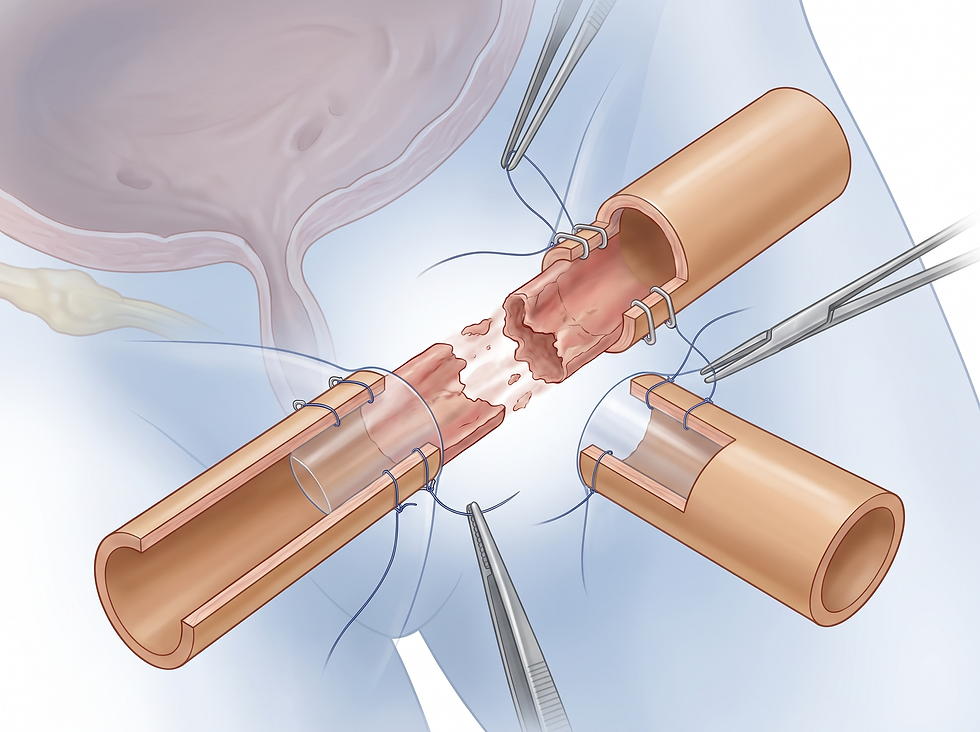
Figure 2: Conceptual view of an anastomotic repair, rejoining healthy urethral ends.
The Reconstruction Procedure
The most common technique for repairing these strictures is known as an anastomotic urethroplasty. During this surgery, which is performed under general anesthesia, a urologist makes an incision in the perineum, the area between the scrotum and the anus. The surgeon identifies the scarred, narrowed portion of the urethra, removes it entirely, and then stitches the remaining healthy ends back together.
Procedure Aspect | Details |
|---|---|
Duration | Typically lasts between 3 and 6 hours. |
Surgical Approach | Most often performed through a small incision in the perineum. |
Tissue Grafting | If the healthy ends cannot reach, tissue may be "borrowed" from the inside of the cheek (buccal mucosa). |
Success Rate | 92% to 97% for trauma cases; 70% to 85% after prostate cancer treatment. |
In cases where the damage is extensive and the healthy ends of the urethra cannot be easily rejoined, surgeons may use a tissue graft to rebuild the passage. This graft is often taken from the moist lining of the patient's mouth, which provides a durable and compatible material for urethral repair.
Recovery and Post-Surgical Care
Recovery from posterior urethral reconstruction is a gradual process that requires patience and adherence to specific medical guidelines. Immediately following the surgery, a Foley catheter is inserted through the penis and into the bladder. This catheter remains in place for three to four weeks, allowing urine to bypass the surgical site so the newly stitched tissues can heal without irritation.
Recovery Milestone | Timeline and Restrictions |
|---|---|
Hospital Stay | Most patients go home within 24 hours of the procedure. |
Catheter Removal | Usually occurs 3 to 4 weeks after surgery following successful imaging tests. |
Light Activity | Walking and stairs are permitted early; return to desk work in 1-2 weeks. |
Physical Limits | No lifting over 20 pounds; no running, squatting, or golfing for 6-8 weeks. |
Sexual Activity | Complete avoidance of all sexual activity for at least 8 weeks. |
Patients will have several follow-up appointments during the eight-week recovery period. These visits often include X-rays, pee flow tests, and occasionally a cystoscopy to ensure the reconstructed urethra is healing properly and remaining open.
Risks and Long-Term Outlook
While posterior urethral reconstruction is highly effective, it is a major surgery with potential risks. Common side effects include temporary bleeding and the risk of infection. There is also a possibility that the stricture could return over time, requiring further intervention. While rare after trauma-related surgery, some patients may experience a loss of bladder control (incontinence), particularly if the stricture was caused by prostate cancer treatment.
It is important to note that while this surgery restores urinary flow, it does not typically treat pre-existing conditions like erectile dysfunction (ED), which may have been caused by the original trauma or cancer treatment. However, by restoring the ability to empty the bladder efficiently, the surgery significantly reduces the risk of serious complications like chronic kidney disease and persistent urinary infections.
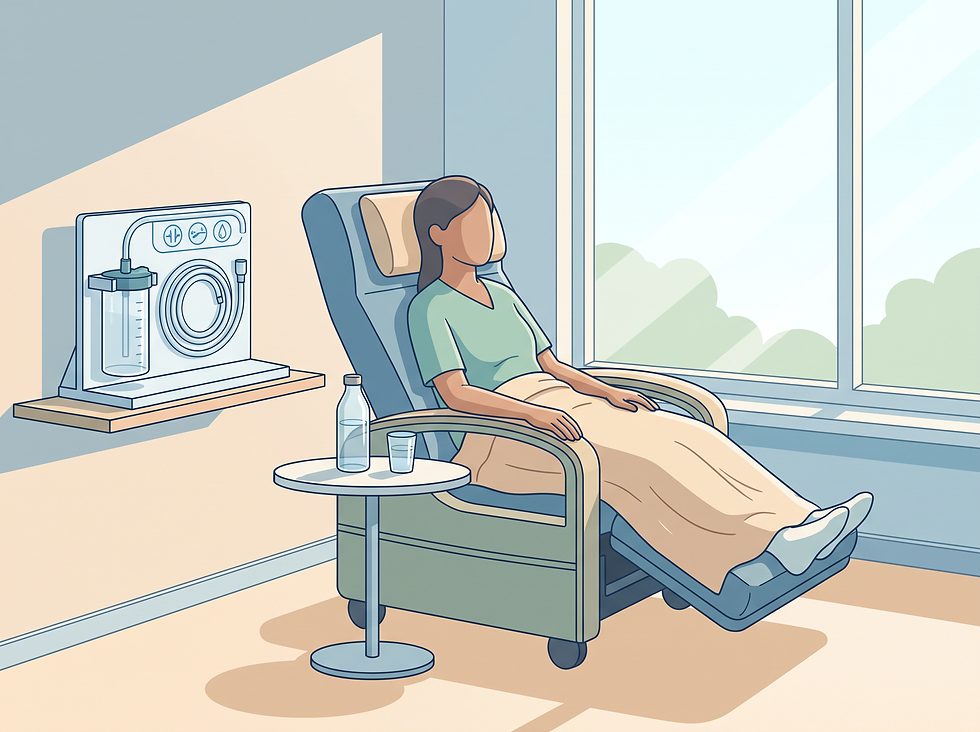
Figure 3: Conceptual recovery setup for post-surgical monitoring and comfort.
Conclusion
Posterior urethral reconstruction is a transformative procedure for men suffering from debilitating urethral strictures. By combining advanced surgical techniques with careful post-operative management, urologists can successfully restore essential bodily functions. Although the recovery requires significant lifestyle adjustments for a few months, the long-term benefits, including improved urinary health and the prevention of kidney damage, make it a highly valuable intervention for those affected by urethral trauma or disease.
Next Steps
Surgical Consultation: Discuss the specific cause of your stricture with your urologist to understand your expected success rate.
Pre-Surgical Testing: Complete all required imaging, such as a retrograde urethrogram, to map the exact location of the narrowing.
Home Preparation: Arrange for assistance with daily tasks for the first few weeks, as you will be limited by the catheter and lifting restrictions.
Follow-Up Schedule: Ensure you have your post-operative appointments booked, as these are critical for monitoring the healing process.
Frequently Asked Questions
1. Who needs posterior urethral reconstruction?
Men who have a severe narrowing (stricture) in the section of the urethra near the prostate, often caused by pelvic trauma or prostate cancer treatment.
2. How long is the hospital stay?
Most patients are healthy enough to go home within 24 hours of the surgery.
3. Does the surgery hurt?
The procedure is done under general anesthesia, so you won't feel anything. Afterward, most people experience moderate pain that is managed with prescribed relievers.
4. Why do I need a catheter after surgery?
The catheter allows urine to drain without passing through the newly repaired area, giving the internal stitches time to heal properly.
5. How long will I have the catheter?
Typically, the catheter remains in place for three to four weeks.
6. Can I drive after the surgery?
You should avoid driving for the first few weeks, especially while the catheter is still in place.
7. When can I go back to work?
Desk work can often be resumed in one to two weeks, but physically demanding jobs require waiting six to eight weeks.
8. What is a buccal mucosa graft?
It is a piece of tissue taken from the inside of the cheek or lip used to rebuild the urethra if there isn't enough healthy tissue to rejoin the ends.
9. Will this surgery fix erectile dysfunction?
No, this procedure is specifically for restoring urinary flow. ED caused by the original injury or cancer treatment may require separate management.
10. What are the signs of an infection after surgery?
Call your doctor if you experience fever, chills, increased pain, or unusual drainage from the incision site.
11. Are there any lifting restrictions?
Yes, you should avoid lifting anything heavier than 20 pounds (about two gallons of water) for at least six to eight weeks.
12. When can I resume sexual activity?
You must avoid all sexual activity, including masturbation, for at least eight weeks after the surgery.
13. What is the success rate of the procedure?
The success rate is very high, between 92% and 97% for trauma-related cases and 70% to 85% for cancer-related cases.
14. Will I be able to pee normally again?
Most patients are able to pee as comfortably and efficiently as they did before the stricture developed.
15. Can the stricture come back?
While the surgery is usually a long-term fix, there is a small risk that the narrowing could return, which is why follow-up monitoring is essential.
Related Reading
Medical Disclaimer
This article is for informational purposes only and does not constitute medical advice. Always seek the guidance of your physician or other qualified health provider with any questions you may have regarding a medical condition or treatment.
Comments