Radiation Therapy: A Comprehensive Guide to Treatment and Recovery

Updated: 2 days ago
Medically reviewed by Dr. Baraa Alnahhal, MD · Last reviewed: September 2026
Radiation therapy, or radiotherapy, is a powerful medical treatment that uses high-energy beams to kill cancer cells by damaging their DNA. It can be delivered from a machine outside the body (external beam) or via radioactive materials placed inside the body (internal). While highly effective at shrinking tumors and easing symptoms, it requires careful planning and monitoring by a specialized medical team to manage side effects like fatigue.
Quick answer: Radiation therapy is a precise medical treatment that uses high-powered X-rays or other particles to destroy cancer cells and shrink tumors. It works by damaging the DNA of cancer cells, preventing them from growing and multiplying. Patients may receive external beam radiation from a machine or internal radiation through implants or injections. Most people experience significant benefits, including symptom relief or cancer cure, depending on their specific diagnosis and treatment plan.
How Radiation Therapy Works
The primary mechanism of radiation therapy is the destruction of cancer cell DNA. Cells rely on DNA for instructions on how to grow and divide. When these instructions are destroyed by high-energy radiation, the cancer cells die, and the tumor eventually shrinks. This process can take days or weeks of treatment to be effective.
Radiation can be used as a standalone treatment or in combination with surgery and chemotherapy. In some cases, it is used before surgery to shrink a tumor or after surgery to destroy any remaining cancer cells. It is also used to treat certain noncancerous conditions, such as osteoarthritis or benign tumors, using lower doses of radiation.
Types of Radiation Therapy
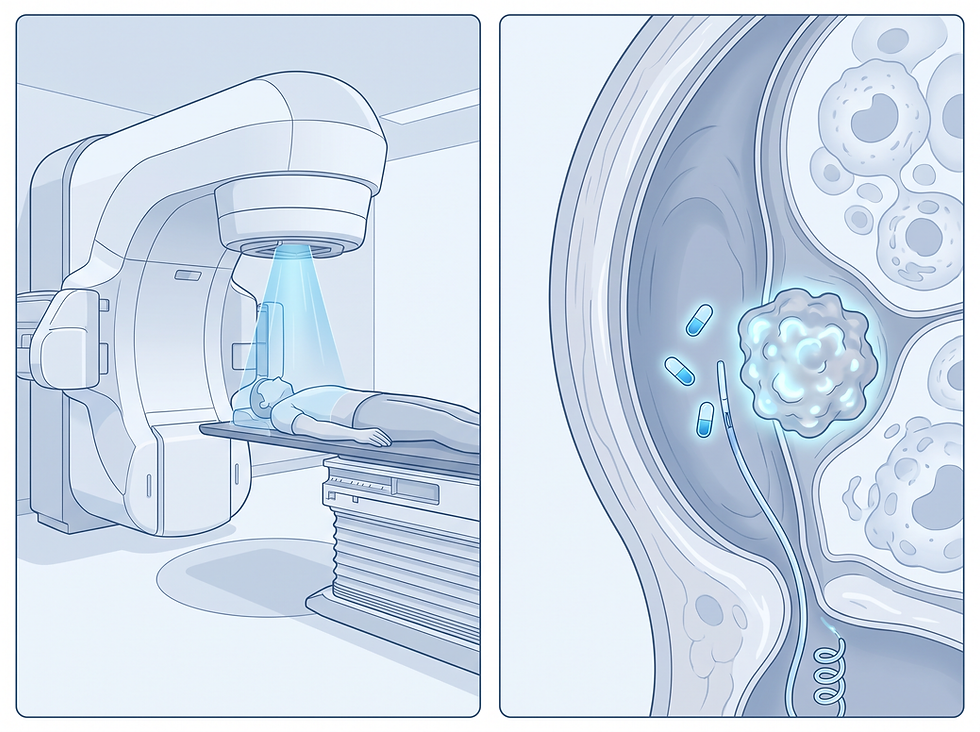
There are two main ways radiation is delivered to the body. The choice depends on the type of cancer, the size of the tumor, and its location.
Type | Delivery Method | Common Uses |
External Beam (EBRT) | A machine directs beams (X-rays, protons) from outside the body. | Most common; treats a wide range of cancers and some benign conditions. |
Internal (Brachytherapy) | Radioactive "seeds" or implants are placed inside or near the tumor. | Head, neck, breast, cervix, uterus, and prostate cancers. |
Systemic Therapy | Radioactive liquid is swallowed or injected into the blood. | Cancers where the radioactive material travels through the entire body. |
The Treatment Process
A specialized team, including a radiation oncologist, medical physicist, and dosimetrist, designs a personalized treatment plan. For external beam radiation, this begins with a simulation session to determine the exact positioning and markings for the treatment area.
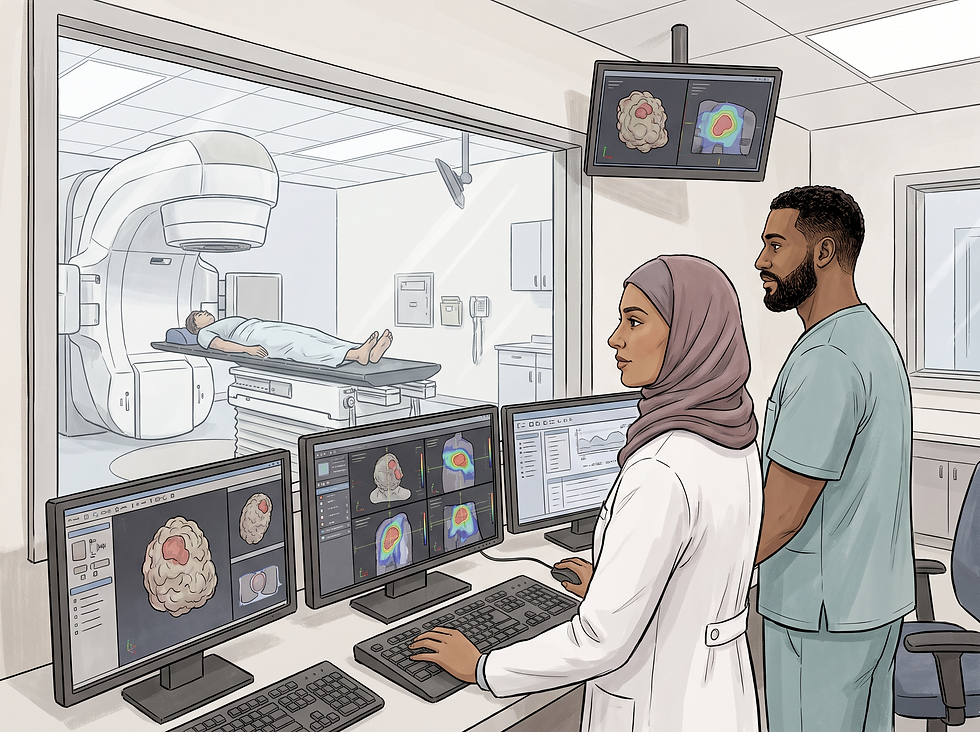
During the actual procedure, external radiation is painless and similar to getting an X-ray. Internal radiation may involve anesthesia to ensure patient comfort during the placement of implants. The duration of treatment varies based on the specific method used.
Treatment Method | Typical Duration | Frequency |
External Beam (EBRT) | Up to 6 weeks | Daily sessions (Monday to Friday) |
Brachytherapy (Internal) | 1 day to several weeks | Single or multiple sessions |
Systemic Therapy | 1 to 2 days | Single injection or pill |
The duration and frequency are tailored to each patient's unique situation to ensure the most effective delivery of the radiation dose.
Recovery and Long-Term Outlook
Recovery from radiation therapy is highly individual. While many patients can continue their daily routines, others may experience side effects such as fatigue or localized skin changes. It is crucial to communicate any severe side effects to the care team, as they can adjust the treatment or provide medication to manage discomfort.
The long-term goal of radiation therapy is to cure the cancer or significantly improve the patient's quality of life by easing symptoms. While there is a small risk of developing a different cancer later in life due to radiation exposure, the immediate benefits of treating the primary cancer often far outweigh these risks.

Conclusion
Radiation therapy remains one of the most effective tools in modern oncology. By leveraging advanced technology to target cancer cells with extreme precision, it offers hope and healing to millions. Through careful planning, a dedicated medical team, and proactive symptom management, patients can navigate their treatment journey toward a successful recovery and a better quality of life.
Next Steps
Discuss Your Plan: Talk to your radiation oncologist about the specific goals and success rates for your treatment.
Manage Fatigue: Prioritize rest and listen to your body if you feel unusually tired during the treatment weeks.
Skin Care: Follow your team's advice on how to care for the skin in the treatment area to prevent irritation.
Follow-Up Visits: Attend all scheduled follow-up appointments to monitor your progress and manage any lingering side effects.
Report Severe Symptoms: Immediately notify your care team if you experience side effects that are more severe than expected.
Frequently Asked Questions
Is radiation therapy the same as chemotherapy?
No, chemotherapy uses drugs to treat the whole body, while radiation is a localized treatment targeting specific areas.
Will I be radioactive after treatment?
With external beam radiation, no. With certain internal treatments, your body may shed trace amounts of radiation for a short time.
Does radiation therapy hurt?
The delivery of external radiation is painless, similar to an X-ray, though side effects can cause discomfort later.
How long does each session take?
External beam sessions are usually short, often taking less than 30 minutes, including setup time.
Can radiation therapy cure cancer?
Yes, for many types of cancer, radiation therapy can be a curative treatment.
What are the most common side effects?
Fatigue and skin irritation in the treated area are the most frequently reported side effects.
Will I lose my hair?
Hair loss only occurs in the specific area being treated with radiation.
Can I drive myself to appointments?
Most patients receiving external beam radiation can drive themselves, unless they are also receiving other treatments that cause drowsiness.
Is radiation therapy safe?
Yes, it is a highly regulated and precise medical treatment managed by a team of specialists.
What is a simulation session?
It is a planning session where the team determines your exact position and marks the treatment area.
How many treatments will I need?
The number of sessions varies widely based on the cancer type and treatment goals, often spanning several weeks.
Can radiation be used for noncancerous conditions?
Yes, low-dose radiation can treat conditions like osteoarthritis and certain benign tumors.
What is brachytherapy?
It is a type of internal radiation where radioactive sources are placed directly into or near a tumor.
Should I change my diet during treatment?
Your care team may provide specific nutritional guidance based on the area of your body being treated.
What happens if I miss a treatment?
It is important to attend all sessions; if you miss one, your team will adjust your schedule to ensure the treatment remains effective.
Related Resources
National Cancer Institute: Radiation Therapy: a patient guide to radiation treatment.
American Society for Radiation Oncology (ASTRO) Patient Resources: patient information on radiation oncology.
Medical Disclaimer: This article is for informational purposes only and does not constitute medical advice. Always seek the advice of a qualified healthcare provider with any questions regarding a medical condition or treatment.
Comments