Pulmonary Thromboendarterectomy (PTE): A Curative Solution for Chronic Blood Clots

Updated: 2 days ago
Medically reviewed by Dr. Baraa Alnahhal, MD · Last reviewed: September 2026
Pulmonary thromboendarterectomy (PTE) is a highly specialized surgery designed to cure chronic thromboembolic pulmonary hypertension (CTEPH). By removing old blood clots and scar tissue from the lung's arteries, the procedure restores blood flow and reduces dangerous lung pressure. While complex, PTE offers a significant chance to reverse heart damage and eliminate the need for supplemental oxygen.
Quick answer: Pulmonary thromboendarterectomy (PTE) is a six-hour surgical procedure used to treat chronic thromboembolic pulmonary hypertension (CTEPH). Surgeons remove hardened scar tissue and old blood clots from the pulmonary arteries while the patient is on a heart-lung machine. This specialized intervention is the only curative treatment for CTEPH, potentially reversing heart failure and lung damage. Most patients return to their normal routines within three months, with significant improvements in breathing and physical activity.
Overview of Pulmonary Thromboendarterectomy
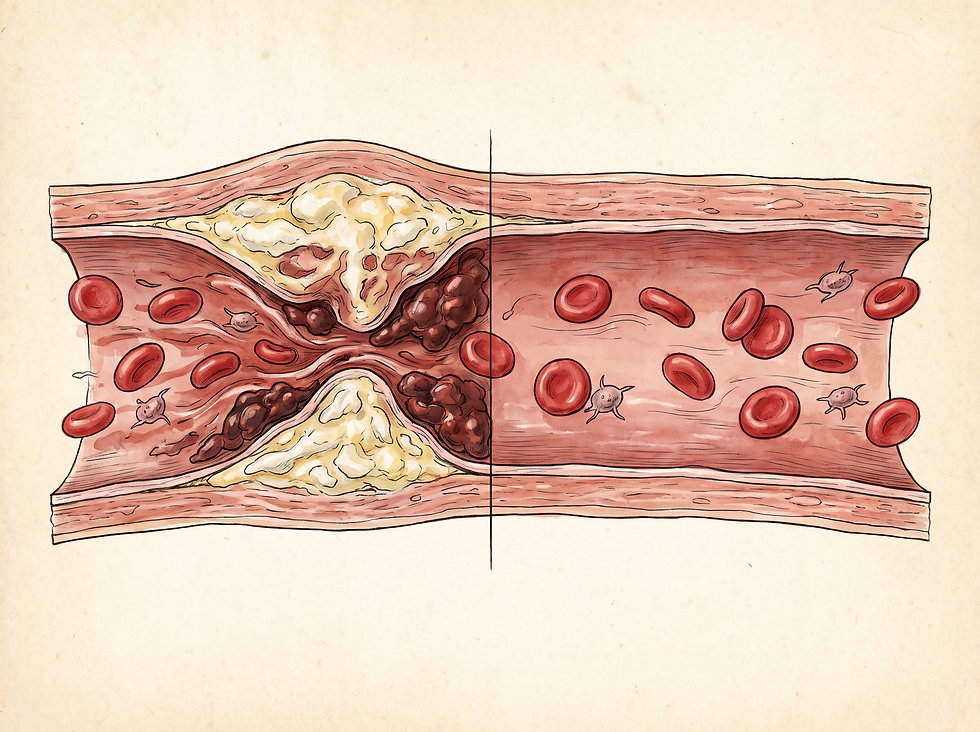
Pulmonary thromboendarterectomy, also known as pulmonary endarterectomy (PEA), is a curative surgical intervention for individuals suffering from chronic thromboembolic pulmonary hypertension (CTEPH). This condition arises when old blood clots, which have not resolved with standard medication, become integrated into the walls of the pulmonary arteries as scar tissue. These blockages obstruct blood flow, forcing the heart to work harder and leading to increased blood pressure within the lungs.
The procedure is classified as a complex cardiothoracic surgery. It involves making an incision through the sternum to access the heart and lungs directly. Unlike many other cardiovascular treatments that manage symptoms, PTE aims to physically remove the obstructive material, thereby restoring the vascular path and potentially curing the underlying disease. Because of its complexity, roughly 40% of patients with CTEPH may not be eligible for the surgery based on their overall health or the specific location of the arterial blockages.
How the Procedure Works
The surgical team utilizes a cardiopulmonary bypass machine to perform the procedure, which temporarily takes over the functions of the heart and lungs. A critical component of PTE is the use of deep hypothermic circulatory arrest. This involves cooling the patient's body to approximately 65°F (18°C) to safely stop blood circulation and brain function. This technique provides the surgeon with a clear, bloodless field of view, allowing for the precise removal of delicate scar tissue from the intricate arteries of the lungs.
Phase of Procedure | Description | Key Objective |
Preparation | Anesthesia administration and ventilator connection. | Ensure patient comfort and stable breathing. |
Access | Sternum incision and bypass connection. | Gain direct access to the heart and pulmonary vessels. |
Cooling | Body temperature lowered to 65°F (18°C). | Protect the brain and allow circulation stoppage. |
Extraction | Manual removal of clots and scar tissue. | Clear the arterial blockages to restore flow. |
Rewarming | Body returned to normal temperature. | Safely restart natural heart and lung function. |

Recovery and Long-Term Care
Following the surgery, patients typically spend at least one night in the intensive care unit (ICU) for close monitoring. If the patient can breathe independently, the ventilator is usually removed the following morning. A standard hospital stay lasts between seven and ten days. During this time, medical teams perform various tests to determine the patient's oxygen needs and monitor the heart's adaptation to the restored blood flow.
Recovery continues at home with specific activity restrictions to ensure proper healing of the breastbone. Most individuals can return to their regular routines within three months, though physical improvements in breathing and stamina can continue for up to four years. A mandatory lifelong requirement for all PTE recipients is the use of anticoagulants, or blood thinners, to prevent the formation of new clots.
Recovery Milestone | Timeline | Activity Level |
Hospital Discharge | 7–10 Days | Limited walking and self-care. |
Early Recovery | 0–6 Weeks | No driving or lifting over 10 pounds. |
Intermediate Phase | 7–12 Weeks | Lifting limit increases to 25 pounds. |
Full Routine | 3 Months | Return to work and regular exercise. |
Peak Improvement | Up to 4 Years | Continued gains in lung capacity and energy. |

Conclusion
Pulmonary thromboendarterectomy represents a monumental advancement in the treatment of chronic thromboembolic pulmonary hypertension. By addressing the physical blockages that medication cannot resolve, this complex surgery offers patients a definitive path toward recovery and a significant improvement in their quality of life. Although the recovery process is demanding and requires lifelong commitment to medication, the potential to cure a life-threatening condition makes PTE the treatment of choice for eligible candidates.
Next Steps
If you have been diagnosed with CTEPH, the first step is a comprehensive evaluation by a specialized surgical team to determine your candidacy for PTE. This assessment will include detailed imaging of your pulmonary arteries and tests of your heart and lung function. Following a successful procedure, engaging in a structured rehabilitation program and strictly adhering to your anticoagulant regimen are essential for ensuring the best long-term outcomes.
Frequently Asked Questions
What is the main goal of PTE surgery?
The primary goal is to remove chronic blood clots and scar tissue from the lung arteries to cure pulmonary hypertension.
Is PTE the same as a standard heart bypass?
No, while it uses a bypass machine, PTE specifically targets the removal of obstructions inside the lung's arteries.
How long does the surgery take?
The procedure generally lasts about six hours and typically begins early in the morning.
Why is the body cooled during the procedure?
Cooling protects the brain and other organs while circulation is temporarily stopped to give the surgeon visibility.
What happens if I am not a candidate for PTE?
Alternative treatments may include oral medications or interventional procedures like balloon pulmonary angioplasty.
How long is the typical hospital stay?
Most patients remain in the hospital for seven to ten days following the surgery.
When can I drive again after PTE?
Driving is typically restricted for at least six weeks to allow the sternum to heal properly.
Will I need to take medication forever?
Yes, patients must take blood thinners for the rest of their lives to prevent new clots from forming.
What are the most common risks?
The primary risks include a 1% mortality rate and a 1–2% risk of stroke.
Can PTE reverse heart failure?
In many cases, the procedure can reverse damage to the right side of the heart caused by chronic pressure.
How successful is the surgery?
Treatment is successful in the majority of cases, often eliminating the need for supplemental oxygen.
What is CTEPH?
It is a rare condition where old blood clots in the lungs cause permanent high blood pressure in the pulmonary system.
Are there lifting restrictions during recovery?
Yes, patients should not lift more than 10 pounds for the first six weeks and 25 pounds until the 12-week mark.
How soon will my breathing improve?
Many patients notice an immediate improvement, but full gains can take months or even years.
What should I watch for after going home?
Contact your provider if you experience extreme pain, fever, redness at the incision site, or an irregular heartbeat.
Medical Disclaimer: The information provided in this article is for educational purposes only and is not intended as medical advice. Always seek the guidance of a qualified healthcare professional regarding any medical condition or treatment plan.
Comments