Psychoanalysis: Understanding the Unconscious Mind

Updated: 19 minutes ago
Medically reviewed by Dr. Baraa Alnahhal, MD · Last reviewed: September 2026
Psychoanalysis is a specialized form of talk therapy that explores unconscious thoughts and past experiences to resolve emotional conflicts. Developed by Sigmund Freud, this intensive, long-term approach focuses on gaining deep self-awareness by bringing hidden emotions to the surface. By understanding how the unconscious mind influences behavior, individuals can achieve lasting emotional growth and improved relationships.
Quick answer: Psychoanalysis is an intensive, long-term therapy that explores the unconscious mind to understand how hidden thoughts and early childhood experiences shape current behavior. Through frequent sessions—often three to five times per week—patients work with a therapist to uncover repressed emotions, resolve inner conflicts, and strengthen the rational mind. This process aims to provide deep personal insight, leading to improved mental health and more fulfilling relationships over several years.
Understanding Psychoanalytic Therapy
Psychoanalysis is a theory and therapy that examines how hidden thoughts and emotions affect an individual’s actions and feelings. These thoughts are part of the unconscious mind, meaning the individual is not always aware of them. During therapy, patients talk with a specialist about their thoughts, dreams, and past experiences to bring these hidden emotions to the surface. Once aware of these deep feelings, individuals can begin to address them and make significant, long-term changes in their lives.
The foundation of this approach is psychoanalytic theory, which suggests that unconscious desires and early childhood relationships play a major role in shaping personality. The theory describes the mind as having three interacting parts: the id (basic instincts), the ego (rational decision-making), and the superego (moral compass). The mind also employs defense mechanisms to protect itself from stress or emotional pain. By understanding these internal patterns, individuals can find a healthier balance and achieve emotional healing.

Core Components and Goals
The primary objective of psychoanalytic practice is to foster emotional growth through self-discovery. By connecting past experiences to current behaviors, individuals can learn to respond to life’s challenges in healthier ways. This involves resolving inner conflicts rooted in past trauma or unresolved problems within a safe, guided environment.
Goal | Description | Expected Outcome |
Conscious Awareness | Bringing hidden thoughts and memories into the light. | Understanding the “why” behind specific behaviors. |
Self-Awareness | Connecting early experiences to current patterns. | Developing healthier responses to challenges. |
Conflict Resolution | Exploring and healing past pain or trauma. | Emotional healing and reduced inner tension. |
Mental Balance | Strengthening the ego to balance instincts and morals. | Improved rational decision-making and stability. |
The Therapeutic Process
The setting for psychoanalysis is unique compared to other forms of therapy. Typically, the patient lies on a couch while the therapist sits behind them, out of their direct line of sight. This arrangement is designed to help the patient speak freely without the distraction of visual cues. Sessions are frequent, often occurring three to five times per week, and usually last less than an hour.
During these sessions, there is no strict agenda. Patients are encouraged to share whatever comes to mind, including memories, dreams, fantasies, and specific feelings. This open-ended approach allows individuals to explore their inner world at their own pace, guided by the therapist to identify patterns and breakthroughs.
Technique | Method | Purpose |
Dream Analysis | Sharing and interpreting the details of dreams. | Finding clues about the unconscious mind. |
Free Association | Speaking freely without filtering or editing thoughts. | Identifying hidden emotional patterns. |
Resistance Analysis | Exploring topics the patient avoids or feels stuck on. | Breaking through emotional barriers. |
Transference | Identifying feelings for others projected onto the therapist. | Gaining insight into unresolved past conflicts. |

Benefits and Considerations
Psychoanalysis offers a wide range of long-term benefits, including a stronger sense of life satisfaction, better decision-making skills, and an improved ability to manage stress. It can be particularly helpful for managing anxiety, depression, eating disorders, and post-traumatic stress disorder (PTSD), often used alongside other treatments like medication. It also addresses issues such as low self-esteem, relationship difficulties, and the emotional impact of chronic health conditions.
However, the process is intensive and requires a significant commitment of both time and emotional energy. Because it involves facing uncomfortable truths and revisiting painful memories, patients may experience intense feelings of sadness or anger during the journey. It is a long-term investment that usually lasts several years, but the emotional growth and maturity gained are typically permanent.
Conclusion
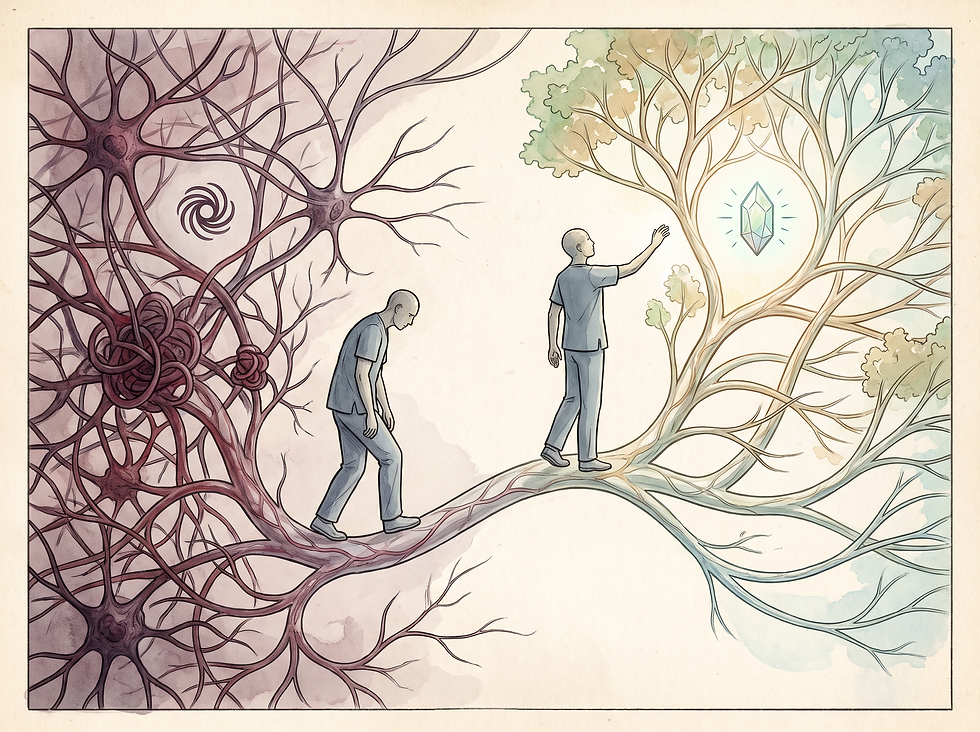
Psychoanalysis serves as a vital tool for emotional well-being by addressing the deep-seated roots of human behavior. By restoring balance to the mind and protecting the individual’s emotional health, these intensive methods allow people to move forward with newfound confidence. While the process requires patience and dedication, the resulting self-awareness provides a lasting foundation for long-term mental health.
Next Steps
Consult a Specialist: Speak with a healthcare provider to determine if psychoanalysis is an appropriate option for your specific needs.
Evaluate Commitment: Consider your ability to attend multiple sessions per week over several years.
Identify Goals: Reflect on the specific emotional patterns or past experiences you wish to explore.
Prepare for the Journey: Understand that emotional discomfort is a normal part of the healing process.
Frequently Asked Questions
What is psychoanalysis?
It is a theory and therapy that explores unconscious thoughts and past experiences to resolve emotional conflicts.
Who developed this therapy?
Sigmund Freud developed the original practice, which has since been expanded by many other psychologists.
How does it differ from other talk therapies?
It is more intensive, involves more frequent sessions, and focuses heavily on the unconscious mind and childhood.
What are the id, ego, and superego?
They are the three parts of the mind representing instincts (id), rational thought (ego), and morals (superego).
What is free association?
A technique where you speak freely about anything that comes to mind without filtering your thoughts.
Why do I lie on a couch during sessions?
This setup helps you speak more freely and focus inward without being distracted by the therapist’s reactions.
How often are the sessions?
They typically occur three to five times per week.
How long does a session last?
Each session usually lasts less than an hour.
What conditions can it treat?
It can help with anxiety, depression, PTSD, eating disorders, and relationship issues.
Is it a quick fix for mental health?
No, it is a long-term process that usually takes several years to achieve full results.
What is transference?
It is when you project feelings meant for someone from your past onto your therapist.
What are defense mechanisms?
Mental patterns used by the mind to protect itself from stress or emotional pain.
Can I use medication while in psychoanalysis?
Yes, it is often used alongside medications for certain mental health conditions.
What if I feel stuck or don’t want to talk about something?
This is called resistance, and your therapist will help you gently explore it when you are ready.
Are the results permanent?
Yes, the benefits of self-understanding and emotional growth are typically long-lasting.
References
Medical Disclaimer: This content is for informational purposes only and does not constitute medical advice. Always seek the advice of a qualified healthcare provider with any questions regarding a medical or mental health condition.
Comments