Proctocolectomy: What to Expect During Major Bowel Surgery

Updated: 51 minutes ago
Medically reviewed by Dr. Baraa Alnahhal, MD · Last reviewed: September 2026
Proctocolectomy is a major surgical procedure involving the removal of the colon and rectum, which together form most of the large intestine. It is typically performed to treat severe conditions like inflammatory bowel disease (IBD) or colorectal cancer. Because the natural pathway for waste is removed, surgeons create a new way for the body to eliminate waste, such as an external ostomy bag or an internal ileal pouch (J-pouch). While it is a significant operation with a lengthy recovery, it is often a life-saving measure for those with advanced bowel disease.
Quick answer: Proctocolectomy is the surgical removal of the colon and rectum. It is used to treat life-threatening or non-functioning sections of the bowel caused by conditions like ulcerative colitis, Crohn’s disease, or cancer. The surgery can be performed through traditional open methods or minimally invasive laparoscopic techniques. Following the procedure, waste is redirected through a stoma in the abdomen into an external bag (ileostomy) or into a surgically created internal reservoir (J-pouch) connected to the anus.

What is a Proctocolectomy?
A proctocolectomy is a surgical intervention designed to remove all or part of the colon and rectum. These two organs are critical components of the large intestine, responsible for solidifying food waste and holding it before it is released from the body. When these sections become too diseased to function or pose a life-threatening risk, surgical removal becomes necessary.
The procedure is distinct from a colectomy, which only removes the colon, and a proctectomy, which focuses solely on the rectum. By combining these two, a proctocolectomy addresses issues that span the entire continuum of the large bowel. Depending on the extent of the disease, the surgeon may perform a total proctocolectomy, removing both organs entirely, or a subtotal version that leaves healthy portions intact.
Why the Procedure is Performed
Surgeons recommend proctocolectomy when the bowel is severely compromised. The most frequent reasons involve chronic inflammation or the presence of malignant cells.
Condition Type | Examples |
Inflammatory Diseases | Ulcerative colitis, Crohn’s disease. |
Malignancies | Colorectal cancer, Familial Adenomatous Polyposis (FAP). |
Vascular Issues | Ischemia (loss of blood flow leading to tissue death). |
Other Causes | Traumatic injury, complicated diverticulitis, severe chronic constipation. |
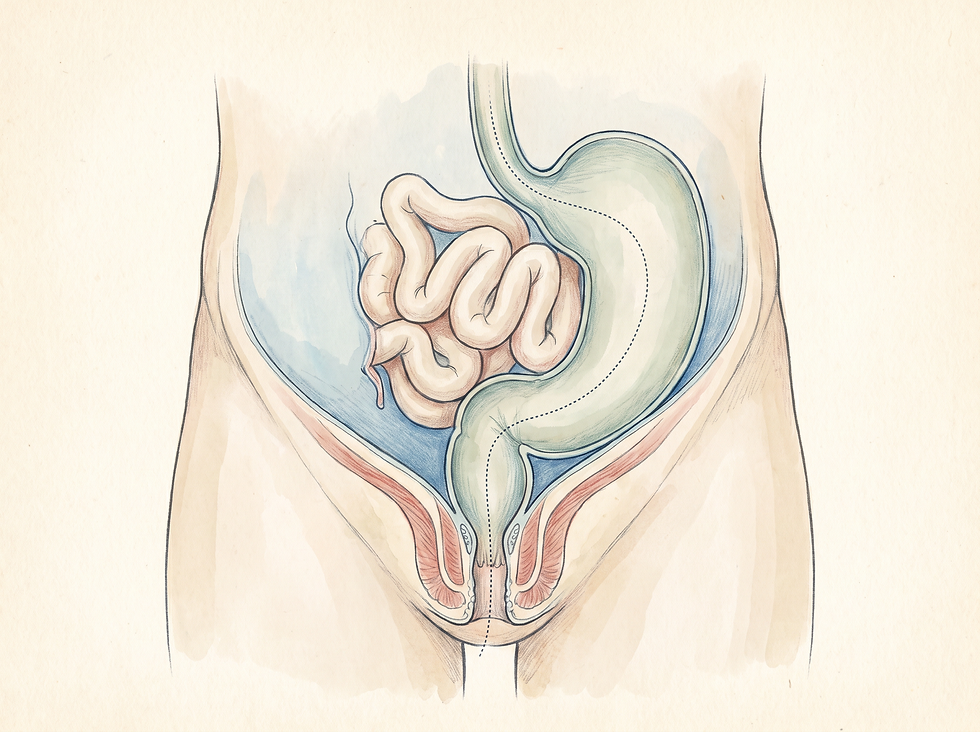
Types of Proctocolectomy
The specific type of surgery a patient receives depends on their underlying condition and the health of their remaining intestinal tissue. The goal is to remove the diseased sections while preserving as much function as possible.
Procedure Type | Description |
Total Proctocolectomy | Complete removal of both the colon and rectum. |
With Ileostomy | Redirects the small intestine to a stoma in the abdominal wall. |
Restorative (J-Pouch) | Creates an internal reservoir from the ileum to allow traditional pooping. |
Subtotal | Removes only the most affected sections, leaving some colon or rectum. |
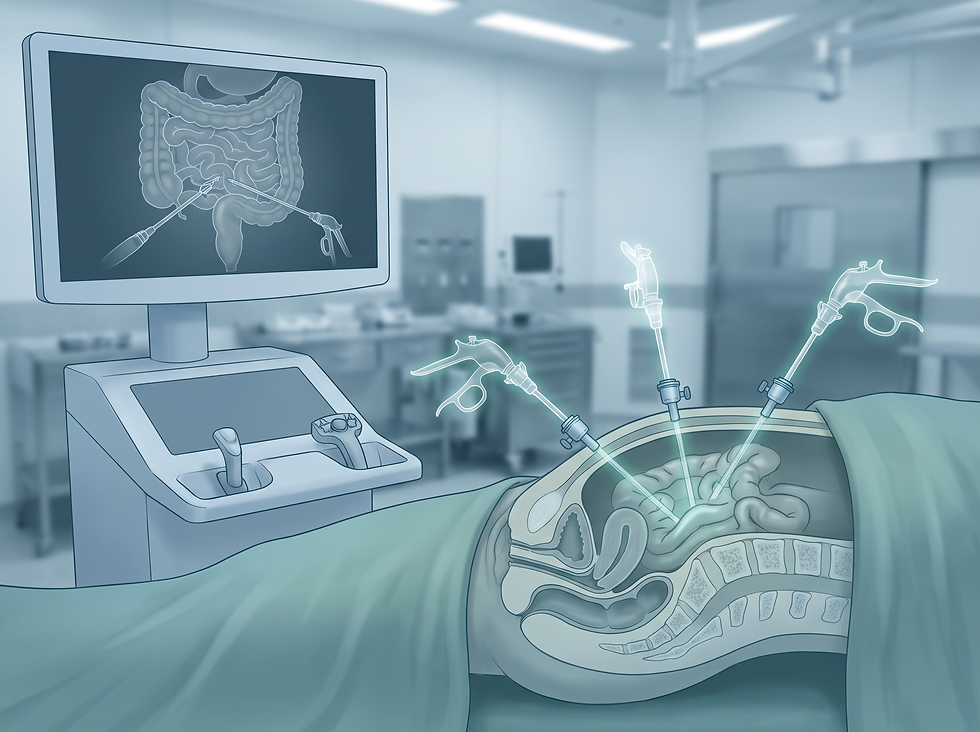
The Surgical Process
Preparation for a proctocolectomy begins weeks in advance. Patients are often advised to increase fiber intake and hydration while stopping blood-thinning medications. The day before surgery typically involves a strict bowel prep and a clear liquid diet to ensure the intestines are empty.
During the operation, which is performed under general anesthesia, the surgeon may use a traditional open approach or a minimally invasive laparoscopic method. Laparoscopic surgery involves smaller incisions and the use of a camera, which generally leads to faster recovery times. Once the affected bowel is removed, the surgeon either creates an ostomy or, if conditions are ideal, performs an anastomosis to reconnect the healthy ends of the digestive tract.
Recovery and Long-Term Care
Recovery from such a significant surgery is a gradual process. Most patients spend about a week in the hospital, slowly transitioning from liquids to solid foods. For those who receive an ostomy, specialized nurses provide training on stoma care and how to manage the external collection bag.
Long-term recovery takes several months. During this time, the body adjusts to its new digestive pathway. Patients who have a temporary ostomy may eventually undergo a second surgery to reverse the procedure or create an internal pouch. Ongoing monitoring and support from a healthcare team are essential to ensure the best possible outcome and quality of life following the procedure.
Conclusion
A proctocolectomy is a complex and life-altering surgery, but it remains a vital treatment for severe bowel diseases. By removing non-functioning or dangerous sections of the large intestine, it offers patients a path toward recovery and relief from chronic symptoms. Whether a patient utilizes an external ostomy or an internal reservoir, the ultimate goal is to restore health and allow for a functional lifestyle. With modern surgical techniques and comprehensive post-operative care, many individuals successfully navigate the challenges of this procedure and return to their daily activities.
Next Steps
Consult a Specialist: Meet with a colorectal surgeon to discuss which type of proctocolectomy is most appropriate for your condition.
Prepare Your Body: Follow all pre-operative instructions regarding diet, hydration, and medication adjustments.
Connect with Support: Reach out to ostomy support groups or counselors to prepare for the lifestyle changes following surgery.
Plan Your Recovery: Ensure you have a support system in place for the initial weeks at home after hospital discharge.
Frequently Asked Questions
What is the difference between a colectomy and a proctocolectomy?
A colectomy removes only the colon, while a proctocolectomy removes both the colon and the rectum.
Is a proctocolectomy permanent?
The removal of the organs is permanent, but the type of waste pathway (like an ileostomy) may be temporary or permanent depending on the case.
What is a J-pouch?
A J-pouch is an internal reservoir created from the small intestine that takes over the function of the removed rectum.
Can I poop normally after this surgery?
If you receive a J-pouch, you can poop through your anus. If you have an ileostomy, waste exits through a stoma into a bag.
How long is the hospital stay?
Most patients stay in the hospital for about a week following the procedure.
Will I need a bag for the rest of my life?
Not necessarily. Some ostomies are temporary and can be reversed once the body has healed.
What is a stoma?
A stoma is the opening in the abdominal wall where the intestine is attached to allow waste to exit the body.
Is the surgery painful?
The surgery is performed under general anesthesia, so you won't feel pain during it. Post-operative pain is managed with medication.
Can I eat a normal diet after recovery?
Most people eventually return to a varied diet, though some may need to avoid specific foods that cause digestive upset.
What are the risks of proctocolectomy?
Risks include infection, bleeding, blood clots, and potential complications with the new waste pathway or anastomosis.
How long does full recovery take?
While you leave the hospital in a week, full recovery and adjustment to the new digestive system can take several months.
What is laparoscopic surgery?
It is a minimally invasive technique using small incisions and a camera, which often results in less scarring and faster healing.
Why would someone need this surgery for Crohn's disease?
It is used when the disease has caused severe damage to the colon and rectum that cannot be managed with medication.
Do I need to stop my medications before surgery?
Yes, especially blood thinners, but you must follow the specific instructions provided by your surgical team.
What is a WOCN?
A Wound Ostomy Continence Nurse is a specialist who helps patients learn to care for their stoma and ostomy equipment.
Helpful Resources
References
Medical Disclaimer: This content is for informational purposes only and does not constitute medical advice. Always seek the advice of a qualified healthcare professional regarding any medical condition or treatment.
Comments