Photopheresis: A Targeted Light-Based Immunotherapy

Updated: 2 days ago
Medically reviewed by Dr. Baraa Alnahhal, MD · Last reviewed: September 2026
Quick Answer
Photopheresis, also known as extracorporeal photoimmunotherapy (ECP), is a specialized medical procedure that uses ultraviolet light to modify white blood cells. A machine separates your lymphocytes from your blood, treats them with a light-sensitizing agent and UVA light over three to four hours, and returns them to your body. This process "reprograms" the cells to either attack cancer or stop attacking healthy organs. It is highly effective for conditions like Sézary syndrome and transplant rejection, offering a targeted approach to immune modulation without the broad side effects of systemic immunosuppressive therapy. While safe and painless, it requires strict sun protection for 24 hours following each session due to temporary light sensitivity.
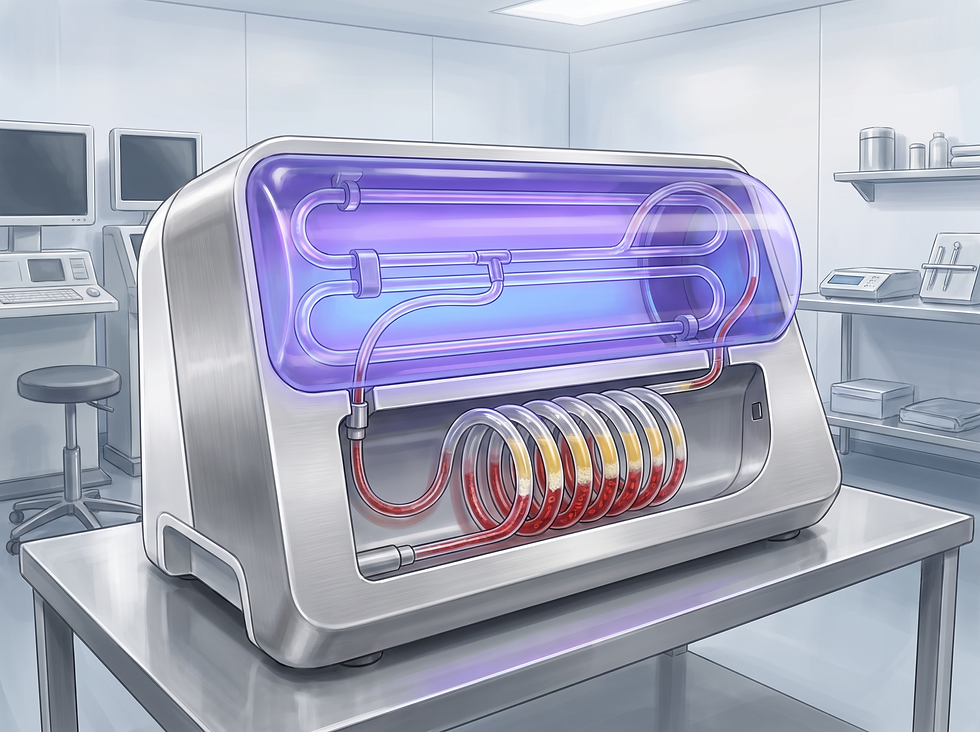
The Mechanism of Photopheresis
The core of photopheresis lies in its ability to selectively alter the behavior of lymphocytes, the white blood cells responsible for the body's immune response. During the procedure, blood is drawn and passed through a specialized machine that isolates the lymphocytes while returning other components like red blood cells and plasma to the patient. The isolated cells are then mixed with 8-methoxypsoralen (8-MOP), a plant-based substance that becomes active only when exposed to light.
Once the cells are treated with UVA light inside the machine, the 8-MOP triggers a functional change in the lymphocytes. Depending on the patient's condition, these cells are either activated to recognize and destroy cancer cells or deactivated to prevent them from launching an immune attack against the patient's own body or a newly transplanted organ. This targeted approach minimizes the systemic side effects often associated with broader immunosuppressive therapies.

Clinical Applications and Outcomes
Photopheresis is a versatile tool used across various medical specialties, from oncology to transplant medicine. Its most established use is in treating rare skin-based blood cancers and complications following bone marrow or organ transplants.
Primary Indication | Clinical Context |
Cutaneous T-cell Lymphoma (CTCL) | Specifically used for Sézary syndrome and mycosis fungoides to fight skin-based cancer cells. |
Graft-Versus-Host Disease (GVHD) | Used when first-line treatments like corticosteroids fail to stop donated stem cells from attacking the body. |
Organ Transplant Rejection | Helps prevent the rejection of major organs such as the heart, lungs, or liver after transplantation. |
Beyond these primary uses, healthcare providers may utilize photopheresis to manage other immune-mediated conditions, including Crohn's disease, scleroderma, and severe psoriasis. The timeline for results varies significantly; for instance, patients with chronic GVHD may see improvements within three to four months, while those with scleroderma may require six to twelve months of consistent treatment.
Patient Preparation and Safety
Successful photopheresis requires specific preparation to ensure optimal blood flow and cell separation. Patients are advised to increase their fluid intake significantly for two days prior to the procedure while avoiding substances that cause dehydration, such as caffeine and alcohol. Additionally, avoiding high-fat foods is crucial, as excess fat in the blood can interfere with the machine's ability to separate blood components effectively.
Pre-Procedure Guideline | Action Required |
Hydration | Drink at least eight glasses of water daily for two days before treatment. |
Dietary Restriction | Avoid high-fat fried foods and desserts immediately before the session. |
Substance Avoidance | Eliminate caffeine and alcohol to maintain proper blood volume and flow. |
Following the procedure, the most critical safety requirement is sun protection. Because the 8-MOP remains active in the system for a short period, patients become highly sensitive to ultraviolet light. For 24 hours after each session, patients must avoid direct and indirect sunlight, wear SPF 30+ sunscreen, cover their skin, and wear wraparound UVA-protective sunglasses even when indoors near windows.

Conclusion
Photopheresis represents a sophisticated intersection of technology and immunology, providing a targeted way to manage complex immune-driven conditions. By leveraging the power of light to reprogram the body's own cells, it offers a therapeutic path for patients who may not have responded to traditional treatments. While it requires a commitment to multiple sessions and strict post-procedure care, its safety profile and effectiveness make it a vital component of modern immunotherapy.
Next Steps
Clinical Consultation: Discuss your eligibility for photopheresis with your hematologist or transplant specialist.
Hydration Planning: Begin increasing your water intake 48 hours before your scheduled session to facilitate easier blood draws.
Sun Protection Kit: Prepare a kit containing SPF 30+ sunscreen, long-sleeved clothing, and wraparound UVA sunglasses for your post-treatment recovery.
Treatment Schedule: Coordinate with your care team to establish a consistent weekly or biweekly treatment cadence.
Frequently Asked Questions
Is photopheresis painful?
No, the procedure itself is painless, though you may feel a slight pinch when the IV or catheter is inserted.
How long does each session take?
A typical photopheresis session lasts between three and four hours.
How often will I need treatment?
Initially, treatments are often scheduled weekly or biweekly, with the frequency decreasing as your symptoms improve.
What is 8-MOP?
8-methoxypsoralen (8-MOP) is a safe, plant-based substance that activates when exposed to UVA light to change lymphocyte function.
Can I go home immediately after the procedure?
Yes, once your vital signs are checked and you feel stable, you can typically go home the same day.
Why do I need to wear sunglasses indoors?
The light-sensitizing agent makes your eyes sensitive to UVA light that can pass through windows and curtains for 24 hours.
Are there any common side effects?
Some patients experience temporary dizziness, nausea, skin redness, or a mild fever a few hours after the procedure.
Will photopheresis cure my cancer?
While it is an effective treatment for certain lymphomas, it is often used as part of a broader management plan to control the disease.
What happens to the rest of my blood during the procedure?
Only the white blood cells are treated; your red blood cells, platelets, and plasma are returned to you immediately.
Can I eat during the procedure?
Most facilities allow you to eat a light, low-fat snack or meal while you are resting in the treatment bed.
Is photopheresis the same as dialysis?
No. While both involve filtering blood through a machine, photopheresis focuses on treating immune cells with light rather than filtering waste from the blood.
What if I have a fever after the session?
A mild fever is a known side effect. Contact your provider if your temperature exceeds 100°F (37.7°C).
Can children undergo photopheresis?
Yes, photopheresis is used in pediatric cases, particularly for graft-versus-host disease after bone marrow transplants.
Does photopheresis weaken my overall immune system?
It is a targeted therapy designed to modulate specific immune responses rather than causing broad, systemic immunosuppression.
How soon will I see an improvement?
Results vary by condition, but most patients begin to see noticeable changes within three to six months of consistent treatment.
This article is for informational purposes only and does not constitute medical advice. Always seek the guidance of your physician or other qualified health provider with any questions you may have regarding a medical condition or treatment.
Comments