Pelizaeus-Merzbacher Disease: Symptoms, Causes, and Management

Updated: 2 days ago
Medically reviewed by Dr. Baraa Alnahhal, MD · Last reviewed: September 2026
TL;DR: Pelizaeus-Merzbacher disease (PMD) is a rare, progressive genetic disorder that affects the brain and spinal cord by disrupting myelin production. Characterized by movement difficulties and developmental delays, it primarily affects males. While there is no cure, management focuses on supportive therapies to improve quality of life and manage symptoms like muscle spasms and seizures.
Quick Answer: What is Pelizaeus-Merzbacher Disease? Pelizaeus-Merzbacher disease is a rare genetic leukodystrophy caused by insufficient production of myelin, the protective covering of nerve fibers. This lack of myelin disrupts neurological function, leading to balance issues, involuntary movements, and developmental delays. Primarily affecting males due to its X-linked nature, the condition ranges from classic forms appearing in infancy to more severe connatal forms. Management focuses on physical therapy and symptom control to enhance daily living.
Overview of Pelizaeus-Merzbacher Disease
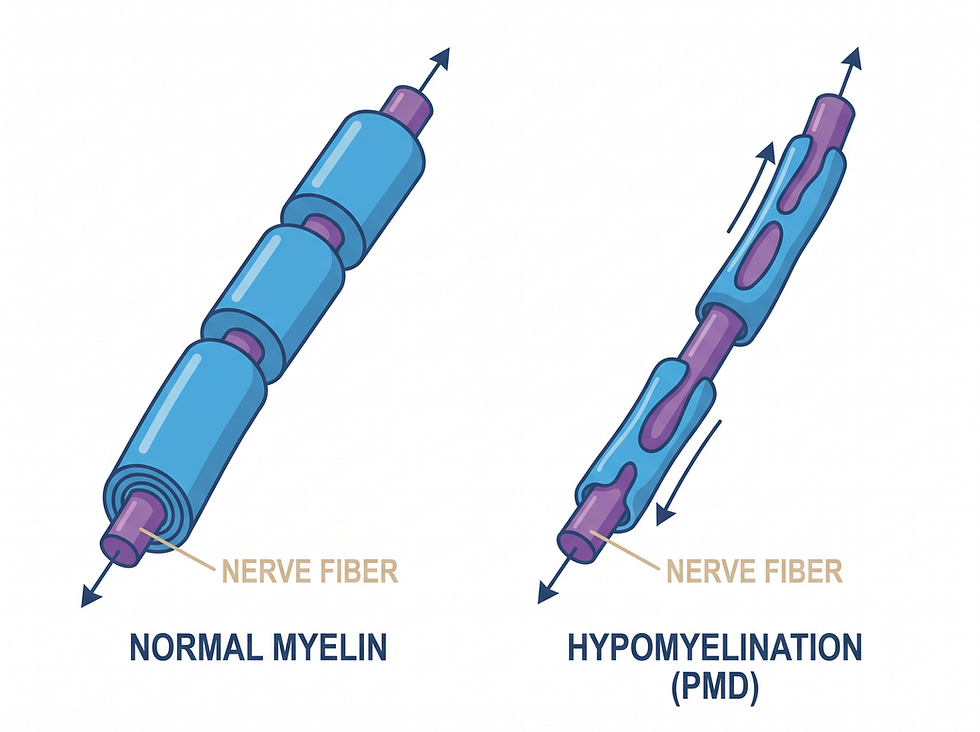
Pelizaeus-Merzbacher disease (PMD) is a rare condition that primarily impacts the central nervous system, including the brain and spinal cord [1]. It belongs to a group of genetic disorders known as leukodystrophies, which specifically affect the white matter of the nervous system. The hallmark of PMD is a deficiency in myelin, the fatty substance that insulates and protects nerve cells. Without adequate myelin, the transmission of electrical signals throughout the body is impaired, leading to various neurological and motor symptoms.
The condition is progressive, meaning that symptoms typically worsen over time as the nervous system struggles to function without proper insulation. While it is usually inherited, the severity and progression of the disease can vary significantly between individuals.
Types and Causes
Pelizaeus-Merzbacher disease is categorized into two primary forms based on the age of onset and the severity of symptoms. Understanding these distinctions is critical for clinical management and long-term planning.
Feature | Classic PMD | Connatal PMD |
Prevalence | Most common form | Less common, more severe |
Onset | Within the first year of life | Infancy (birth or shortly after) |
Motor Skills | Significant muscle and movement issues | Severe movement problems; typically no walking |
Cognition | Typical skills until adolescence; then regression | Speech difficulties; understanding usually intact |
Growth | Generally typical until progression | Poor growth and feeding problems |

The primary cause of PMD is a mutation in the PLP1 gene, which provides instructions for making proteolipid protein 1, a key component of myelin [1]. This mutation is inherited in an X-linked pattern, which is why the condition predominantly affects males. Females, who possess two X chromosomes, often serve as carriers and may experience milder symptoms or none at all. Interestingly, approximately 20% of affected males do not have a PLP1 mutation; some of these cases are linked to the GJC2 gene, while others remain unexplained.
Symptoms and Complications
The symptoms of Pelizaeus-Merzbacher disease often manifest early in life and impact multiple aspects of physical and neurological development. Parents may first notice balance problems or involuntary eye movements, known as nystagmus.
Common symptoms include:
Motor Dysfunction: Weak muscles (hypotonia) and involuntary tensing or jerking (dystonia).
Developmental Delays: Slower acquisition of physical and cognitive milestones.
Respiratory Issues: High-pitched breathing, referred to as stridor.
Feeding Challenges: Difficulty swallowing or gaining weight, particularly in severe forms.
As the disease progresses, complications such as seizures and worsening muscle spasms may occur. In the more severe connatal form, children may never develop the ability to walk or speak clearly, though their ability to understand others often remains preserved.
Diagnosis and Medical Evaluation
Healthcare providers typically suspect PMD based on the observation of early developmental delays and characteristic motor symptoms. To confirm a diagnosis, a combination of imaging and genetic testing is utilized.
"Your child’s healthcare provider may suspect PMD based on symptoms. They may use tests to confirm the diagnosis, including imaging tests, such as MRIs, to see if your child has low amounts of myelin, and genetic tests to check for the gene mutation." [1]
MRI scans are particularly useful as they can reveal "hypomyelination," or a lack of white matter development in the brain. Genetic blood tests then identify mutations in the PLP1 or GJC2 genes, providing a definitive diagnosis and helping families understand the hereditary risks.
Management and Treatment

While there is currently no cure for Pelizaeus-Merzbacher disease, a multidisciplinary approach is used to manage symptoms and improve the patient's quality of life. Treatment is highly individualized based on the specific symptoms present.
Therapeutic Interventions
Physical and occupational therapy are cornerstones of management, focusing on increasing strength, motor control, and balance. These therapies help individuals maintain as much independence as possible. For those with nystagmus, eye treatments such as specialized glasses or surgery may be recommended.
Medical Management
Medications are often prescribed to address specific complications, such as muscle spasms or seizures. Additionally, counseling with licensed mental health providers is encouraged to help families cope with the emotional and psychological impact of managing a chronic genetic condition.
Conclusion
Pelizaeus-Merzbacher disease is a complex neurological disorder that requires lifelong management and support. Although the progressive nature of the condition presents significant challenges, early diagnosis and a comprehensive care plan can help maximize an individual's potential and comfort. Families are encouraged to work closely with genetic counselors and specialists to navigate the journey of PMD.
If you suspect your child is experiencing developmental delays or unusual motor symptoms, consult a pediatric neurologist or genetic specialist for a thorough evaluation.
Frequently Asked Questions
What is Pelizaeus-Merzbacher disease? It is a rare genetic disorder that affects the brain and spinal cord by preventing the body from making enough myelin.
Is PMD a form of cancer? No, it is a type of leukodystrophy, which is a genetic disease affecting the nervous system's white matter.
Why does it mostly affect males? PMD is an X-linked disorder, meaning the mutation is on the X chromosome. Males only have one X chromosome, so a single mutation causes the disease.
Can females have PMD? Yes, but they usually have milder symptoms or are asymptomatic carriers because they have a second, healthy X chromosome.
What are the first signs of PMD? Early signs often include nystagmus (shaky eyes), weak muscle tone, and balance problems in the first year of life.
How common is this condition? In the U.S., it is estimated to affect up to 1 in 200,000 males.
Is there a cure? Currently, there is no cure for PMD, but treatments can manage symptoms and improve quality of life.
What is the difference between Classic and Connatal PMD? Classic PMD appears in the first year and is less severe; Connatal PMD appears at birth and involves severe movement and feeding issues.
Does PMD affect intelligence? In Classic PMD, intellectual skills develop typically until adolescence. In Connatal PMD, speech is difficult, but understanding is often intact.
How is it diagnosed? Doctors use MRIs to look for low myelin levels and genetic tests to find specific gene mutations.
What is myelin? Myelin is the protective, fatty covering that insulates nerve fibers, similar to the coating on an electrical wire.
Can PMD be prevented? It cannot be prevented, but genetic counseling can help families understand their risk of passing it on.
What medications are used? Doctors may prescribe medications to control muscle spasms, stiffness, or seizures.
What is the life expectancy? It varies; severe forms may shorten the lifespan, while those with mild symptoms may live a typical lifespan.
What role does physical therapy play? It helps improve balance, muscle strength, and motor control to assist with daily activities.
Medical Disclaimer: This information is for educational purposes only and does not constitute medical advice. Consult a healthcare professional for diagnosis and treatment.
Source: [1] Cleveland Clinic, "Pelizaeus-Merzbacher Disease," July 17, 2022.
Comments