Navigating Infective Endocarditis Surgery: A Comprehensive Patient Guide

Updated: 2 days ago
Medically reviewed by Dr. Baraa Alnahhal, MD · Last reviewed: September 2026
TL;DR: Infective endocarditis surgery is a critical intervention for individuals with severe heart valve infections that do not respond to antibiotics alone. The procedure involves removing infected tissue (debridement) and either repairing or replacing damaged valves. While major, this surgery is often the only way to prevent heart failure and life-threatening complications like stroke or sepsis.
Quick answer: Infective endocarditis surgery is a specialized cardiac procedure used to treat severe infections of the heart valves caused by bacteria or fungus. It is recommended when the infection causes significant valve damage, leads to heart failure, or forms "vegetations" that could break off and cause strokes. The surgery aims to eradicate the infection, restore heart function through valve repair or replacement, and prevent further systemic complications, typically requiring a multi-week recovery period involving intensive antibiotic therapy.
Overview of Infective Endocarditis
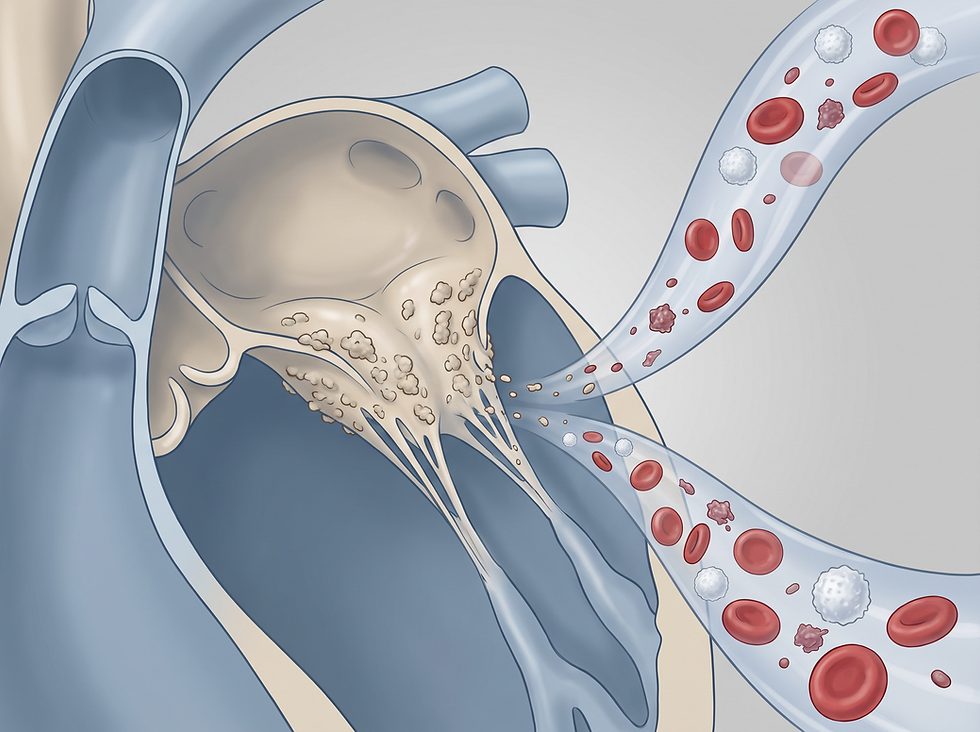
Infective endocarditis is a serious condition where microorganisms, typically bacteria or fungus, enter the bloodstream and attach to the heart valves. While healthy heart tissue is naturally resistant to such attacks, diseased or defective valves are more vulnerable. Once the infection takes hold, these organisms form colonies known as vegetations.
These vegetations are particularly dangerous because they produce enzymes that destroy healthy valve tissue, leading to leaks or dysfunction. Furthermore, clumps of these vegetations can break off and travel through the bloodstream, potentially causing blockages in vital organs, leading to strokes or pulmonary embolisms.
Surgical Timing and Indications
The decision to perform surgery and its timing are based on the severity of the infection and the patient's overall clinical stability.
Urgent surgery (within days): Used for infected prosthetic valves, acute heart failure, and large vegetations. The goal is to prevent immediate life-threatening events. This applies to approximately 30% of patients.
Delayed surgery (elective): Used for mild infection, low risk of complications, and neurological stability. The goal is to complete the antibiotic course so the patient enters surgery infection-free. This applies to approximately 20% to 40% of patients.
Additional factors that may necessitate immediate surgical intervention include antibiotic resistance, the presence of abscesses around the aortic valve, or signs of sepsis.
Surgical Techniques and Procedures
Surgeons utilize various techniques depending on the extent of the damage to the heart valves and surrounding tissues.
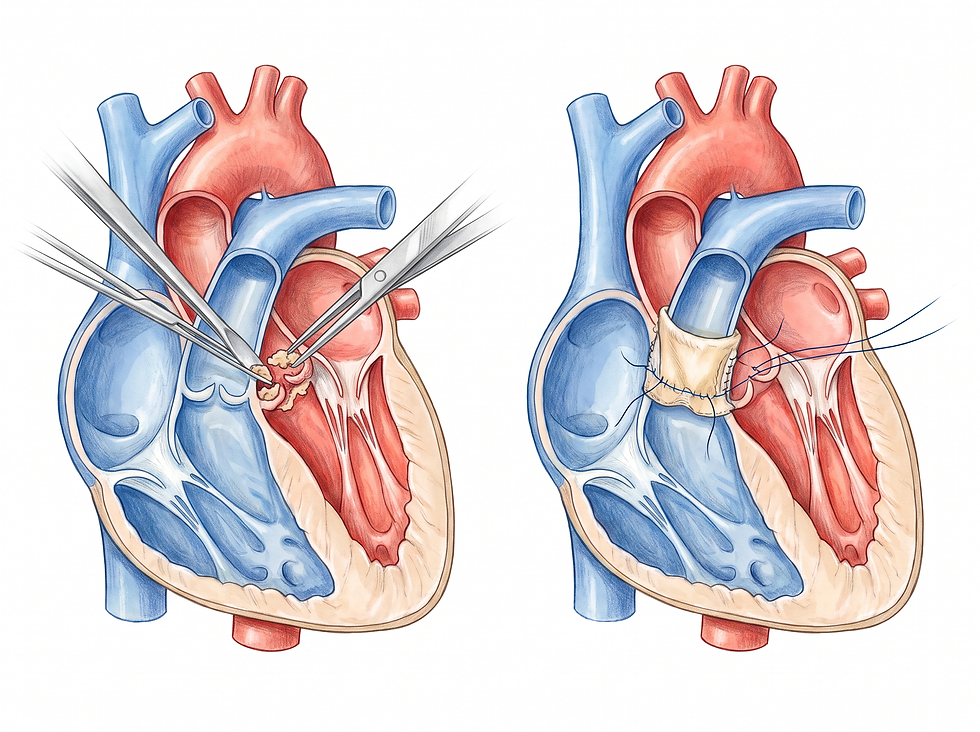
Debridement: The thorough removal of all infected and dead tissue to clean the area.
Valve repair: Reconstructing the patient's own valve tissue, such as repairing the mitral chordae.
Valve reconstruction: Using biological materials like pericardial tissue to rebuild damaged sections of a valve.
Valve replacement: Replacing a severely damaged valve with an artificial mechanical or biological prosthetic valve.
Aortic reconstruction: In cases where an abscess has formed, parts of the aorta itself may need to be replaced.
Recovery and Long-Term Outlook
Recovery from infective endocarditis surgery is a gradual process that begins in the intensive care unit (ICU) where the heart is continuously monitored.
ICU stay (first few days): Continuous heart monitoring and pain management.
Hospital ward (up to a week or more): Transition to oral medications and physical therapy.
At-home recovery (several weeks): Rest, gradual increase in activity, and managing soreness.
Antibiotic therapy (several weeks post-op): Eradicating any remaining infection via IV or oral drugs.
The long-term prognosis is generally better for patients who undergo surgery before significant tissue damage or heart failure occurs. Regular follow-up care is essential to monitor for any signs of recurring infection.

Conclusion
Infective endocarditis surgery is a complex but vital procedure for those facing life-threatening heart infections. By removing infected tissue and restoring valve integrity, the surgery preserves heart function and prevents catastrophic complications. While the road to recovery requires patience and continued medical support, it offers the best chance for long-term survival and a return to a healthy lifestyle.
Next Steps
If you have been diagnosed with infective endocarditis, discuss the necessity and timing of surgery with your cardiologist and cardiac surgeon. Prepare for a significant recovery period and ensure you have a support system in place for the weeks following your discharge. Following the full course of prescribed antibiotics is critical to preventing the infection from returning.
Frequently Asked Questions
What is infective endocarditis surgery?
It is a procedure to treat severe heart valve infections by removing infected tissue and repairing or replacing damaged valves.
Why can't I just take antibiotics?
While antibiotics are used, they may not be enough if the infection has caused significant valve damage, abscesses, or large vegetations.
What are "vegetations"?
They are masses of bacteria or fungus that form on heart valves, which can destroy tissue and break off to cause strokes.
How soon will I need surgery?
It depends on your condition; about 30% of patients need surgery within days of diagnosis, while others may wait to finish antibiotics.
Is the surgery dangerous?
It is a major heart surgery with risks like bleeding, arrhythmia, and stroke, but it is often the only life-saving option available.
What is debridement?
It is the surgical process of cleaning out and removing all infected or dead tissue from the heart.
Will my valve be repaired or replaced?
Surgeons prefer to repair your own valve if possible, but if the damage is too severe, a replacement valve will be used.
How long is the hospital stay?
Most patients stay in the hospital for at least a week, starting with a few days in the intensive care unit.
How long do I need to take antibiotics after surgery?
You will likely need intravenous or oral antibiotics for several weeks to ensure the infection is completely gone.
Can I live a normal life after surgery?
Yes, many patients return to their normal activities, though the recovery time depends on how sick they were before surgery.
What are the signs of a successful surgery?
Improved heart function, relief from symptoms, and the absence of recurring infection are primary indicators.
Can the infection come back?
There is a risk of recurrence, which is why long-term follow-up care and proper antibiotic use are essential.
What is the ICU like after surgery?
You will be closely monitored by nurses and doctors with equipment that tracks your heart rate, blood pressure, and oxygen levels.
When should I call my doctor during recovery?
Call immediately if you have a fever, chest pain, difficulty breathing, or signs of infection at the incision site.
What happens if I don't have the surgery?
Without surgery, severe infective endocarditis can lead to heart failure, sepsis, and other life-threatening complications.
Medical Disclaimer
The information provided in this article is for educational purposes only and should not be considered professional medical advice. Always seek the advice of a qualified healthcare provider with any questions regarding a medical condition or surgical treatment.
Source content date: April 11, 2022.
Comments