Nasogastric Tube (NG Tube): A Guide to Temporary Medical Support

Updated: 2 days ago
Medically reviewed by Dr. Baraa Alnahhal, MD · Last reviewed: September 2026
TL;DR: A nasogastric (NG) tube is a thin, flexible medical catheter inserted through the nose into the stomach for temporary use. It serves two primary functions: delivering essential nutrition and medication or removing stomach contents through suction. Designed for short-term support (up to six weeks), the NG tube is a non-surgical solution that is vital in both emergency situations and chronic care management.
Quick answer: A nasogastric tube (NG tube) is a medical device used to deliver food and medicine or suction out stomach contents. It is inserted through the nostril, down the esophagus, and into the stomach. This non-surgical procedure is typically used for up to six weeks for patients who cannot swallow or need emergency stomach pumping. Regular monitoring and correct placement verification are essential for patient safety and treatment effectiveness.
The Role of the Nasogastric Tube
The nasogastric tube, commonly referred to as an NG tube, is a versatile medical instrument used in various clinical settings. Its name accurately describes its path: "naso" for the nose and "gastric" for the stomach. This thin, flexible plastic tube provides a direct channel to the digestive system without the need for invasive surgery. Healthcare providers rely on this tool to support patients who are unable to meet their nutritional needs orally or those who require immediate gastric intervention.
The primary applications of an NG tube are divided into two categories: enteral nutrition and gastric suction. For patients with difficulty swallowing due to conditions like dysphagia, head and neck cancers, or unconsciousness, the tube ensures they receive necessary nutrients and medications. In contrast, gastric suction is used to decompress the stomach by removing excess air or fluid, or in emergencies to remove toxic substances after ingestion.
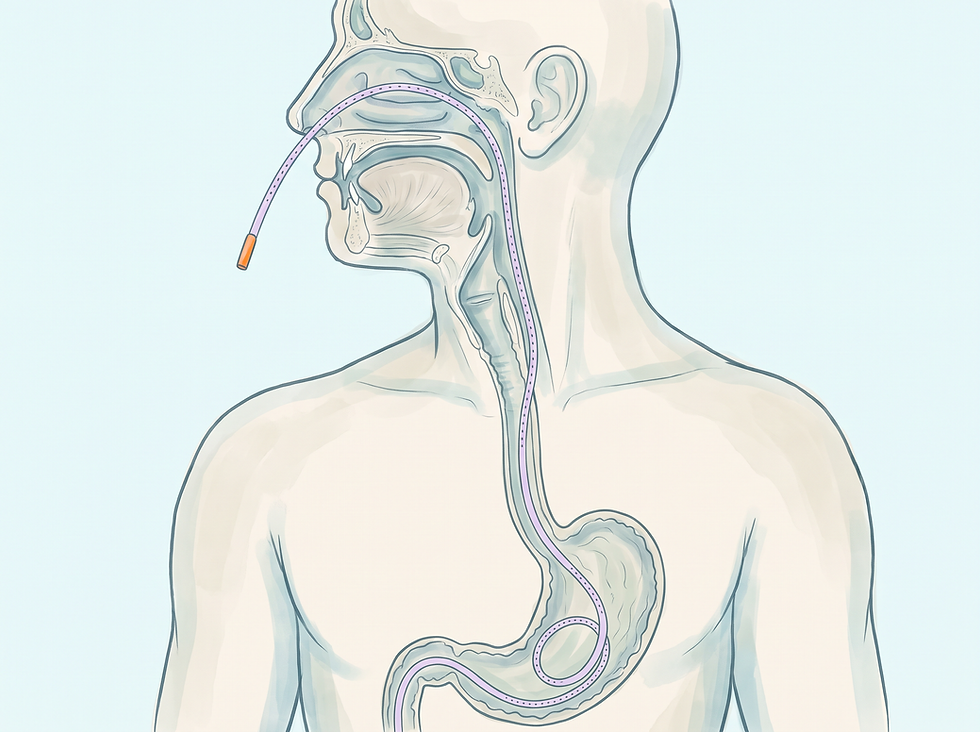
Types of Nasogastric Tubes
Medical professionals select specific NG tube models based on the intended purpose of the treatment. The diameter and internal structure of the tube are tailored to either delivery or suction tasks.
Single lumen: A single, narrow channel (small bore) used for one-way delivery of nutrition and oral medications.
Double lumen: Two channels, one for suction and one for air venting, used for continuous or intermittent gastric suctioning and decompression.
The single-lumen models, such as the Levin or weighted Dobhoff tubes, are designed for maximum comfort during extended use. Double-lumen tubes, like the Salem Sump™, include an air vent that prevents the tube from adhering to the stomach lining during powerful suctioning procedures.
The Insertion Procedure
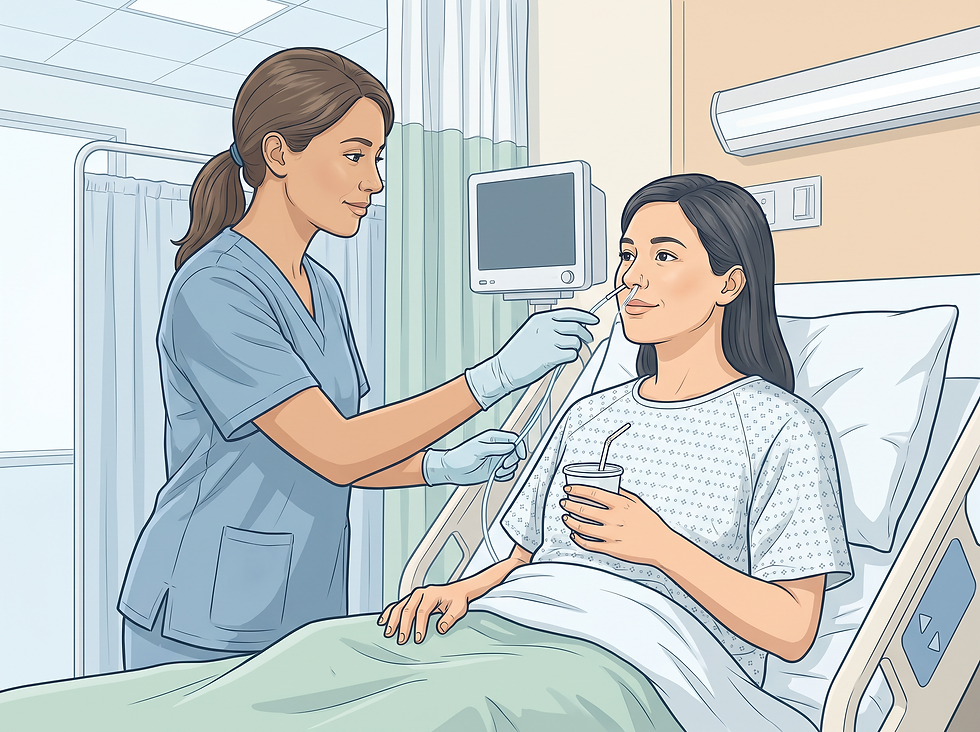
Placing an NG tube is a standard medical procedure performed by trained healthcare providers. To minimize discomfort, the process often involves the use of topical anesthetics and lubricants. The provider measures the required length of the tube against the patient's body, typically averaging 55 centimeters for an adult, before beginning the insertion.
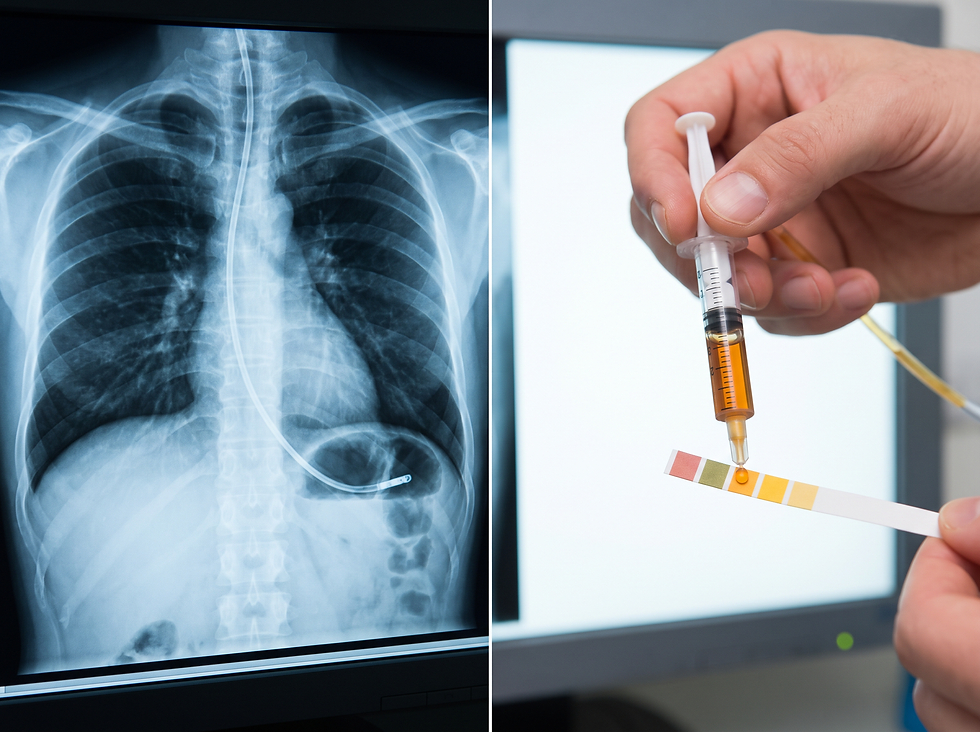
During the procedure, the patient is often asked to take small sips of water through a straw. This action helps the tube advance naturally down the esophagus and into the stomach. Once the tube reaches the pre-marked length, it is secured to the nose with medical tape. Verification of the tube's position is a critical safety step, usually achieved through a chest X-ray for initial placement or an aspirate pH test for routine checks.
Safety and Long-Term Considerations
While the NG tube is highly effective for short-term needs, it is designed to stay in place for no more than six weeks. Prolonged use can lead to complications such as sinus infections, nosebleeds, or skin irritation at the insertion site. If a patient requires nutritional support beyond this timeframe, healthcare providers typically recommend transitioning to a more permanent solution, such as a gastrostomy (G-tube) or gastrojejunostomy (J-tube).
Invasiveness: Non-surgical; can be placed quickly at the bedside.
Duration: Temporary; recommended for use up to 6 weeks.
Emergency use: Ideal for rapid stomach pumping and decompression.
Patient comfort: May cause minor irritation; managed with proper hygiene and securement.
Conclusion
The nasogastric tube is a cornerstone of modern medical care, providing a safe and non-surgical method for both nutritional support and gastric intervention. Its ability to be placed quickly makes it an essential tool in emergency medicine, while its role in delivering enteral nutrition supports the recovery of patients with complex health needs. By understanding the procedure and adhering to strict safety protocols, healthcare teams can ensure that the NG tube remains a highly effective temporary support for patients in need.
Frequently Asked Questions
What is an NG tube?
It is a thin, flexible tube inserted through the nose into the stomach for temporary medical use.
What are its main uses?
It is used for short-term feeding, medication delivery, and suctioning out stomach contents.
Is the insertion painful?
It can be uncomfortable, but healthcare providers use anesthetics and lubricants to minimize distress.
How long can it stay in?
It is designed for temporary use, typically up to six weeks.
How is the correct placement checked?
The most accurate method is a chest X-ray, followed by pH testing of the stomach fluid.
Can I eat while I have an NG tube?
This depends on your specific medical condition; consult your healthcare provider.
What is a "weighted" NG tube?
A weighted tube, like the Dobhoff, uses a small weight at the end to help it pass into the correct position.
What are the common side effects?
Minor side effects include nosebleeds, sore throat, and skin irritation around the nose.
Why is the tube taped to the nose?
Secure taping prevents the tube from moving, which reduces friction and the risk of accidental removal.
What is gastric decompression?
It is the process of using an NG tube to remove excess air and fluid from the stomach to relieve pressure.
Can I use an NG tube at home?
Yes, some patients use them at home after receiving proper training from their medical team.
What is the difference between an NG tube and a G-tube?
An NG tube goes through the nose, while a G-tube is surgically placed directly through the abdomen.
What happens if I cough during insertion?
The provider will stop, withdraw the tube slightly, and let you rest before trying again.
Is a prescription needed?
Yes, the tube and the specialized nutrition or medications it delivers require a medical prescription.
When should I call my doctor?
Call if the tube becomes dislodged, if there is severe irritation, or if you experience difficulty breathing.
Next Steps
Consult your medical team: Discuss the specific goals of your NG tube treatment and how long it is expected to be needed.
Learn care procedures: If you will be managing the tube at home, ensure you and your caregivers are fully trained in feeding and cleaning.
Monitor the site: Regularly check the skin around the nose for signs of irritation or pressure sores.
Understand the transition: If long-term support is needed, begin discussions about more permanent feeding tube options.
Medical Disclaimer
The information provided in this article is for educational purposes only and is not intended as medical advice. Always consult with a qualified healthcare professional before starting any new treatment or making changes to your medical care routine.
Source content date: October 20, 2022.
Comments