Minimally Invasive Surgery: Techniques, Benefits, and What to Expect

Updated: 2 days ago
Medically reviewed by Dr. Baraa Alnahhal, MD · Last reviewed: September 2026
TL;DR: Minimally invasive surgery (MIS) utilizes advanced technology to access internal organs through small portals rather than large incisions. By reducing physical trauma, MIS typically results in less pain, fewer complications, and a faster return to daily activities. This modern surgical approach includes laparoscopic, robotic, and endovascular techniques across various medical specialties.
Quick Answer: Minimally invasive surgery is a surgical technique that uses small incisions, often half an inch or less, to perform operations with specialized instruments and cameras. Unlike traditional open surgery, MIS minimizes tissue damage, leading to reduced scarring, lower infection risks, and shorter hospital stays. While common for procedures like gallbladder removal and heart valve repair, candidacy depends on an individual's specific health condition and the complexity of the operation.
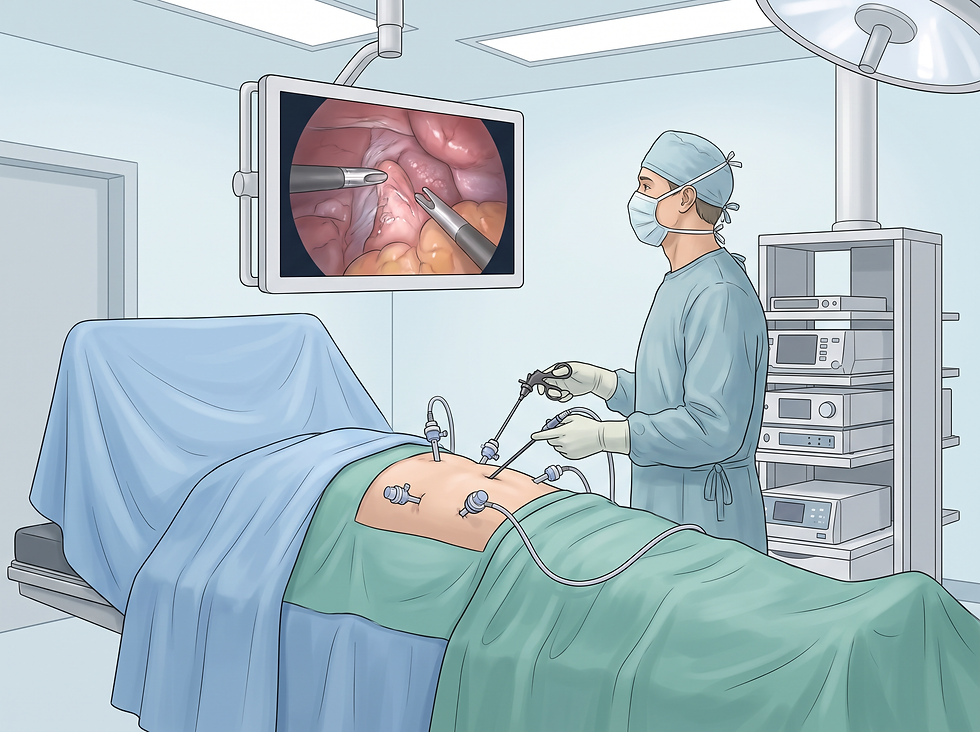
Overview of Minimally Invasive Surgery
Minimally invasive surgery represents a significant shift in surgical medicine, focusing on achieving therapeutic goals while causing as little trauma as possible to the patient's body. Instead of the large, open incisions characteristic of traditional surgery, surgeons use small portals to insert endoscopes, narrow tubes equipped with lighted cameras, and specialized surgical tools. This approach allows the surgical team to view high-definition images of the internal operating field on a monitor, providing exceptional visibility and precision.
The primary objective of these techniques is to minimize the disruption of skin, muscles, and connective tissues. By reducing the "surgical footprint," healthcare providers can offer patients a safer alternative for many common operations. Today, minimally invasive methods are used in almost every surgical discipline, from urology and cardiology to neurosurgery and bariatrics.
Types of Minimally Invasive Techniques
Several distinct categories of minimally invasive surgery exist, each tailored to specific anatomical regions or clinical needs. The choice of technique often depends on the location of the procedure and the specific technology required for the best outcome.
Technique | Description | Common Applications |
Laparoscopic | Uses a laparoscope to operate within the abdominal or pelvic cavities through small incisions. | Gallbladder removal, appendectomy, hernia repair. |
Robotic | Surgeons control high-precision robotic arms from a specialized console in the operating room. | Prostatectomy, complex heart repairs, tumor removals. |
Endovascular | Involves threading a catheter through blood vessels, often accessed via a simple needle puncture. | Angioplasty, stenting, treating blood vessel blockages. |
Endoscopic | Uses natural body openings (like the mouth or nose) to reach internal organs without external cuts. | Sinus surgery, gastrointestinal tumor removal. |
Candidacy and Preparation
While minimally invasive surgery is often safer than traditional methods, it is not suitable for every patient or every situation. Candidacy is determined on an individual basis after a thorough evaluation by a surgical specialist. In emergency cases or when a patient's condition is not yet clearly defined, traditional open surgery may be the preferred or necessary route.
Certain health factors, particularly heart or lung conditions, may influence the decision to use laparoscopic techniques. This is because laparoscopy often requires the use of gases to expand the abdominal cavity, which can place additional stress on the cardiovascular and respiratory systems in some individuals. Before the procedure, patients may undergo various diagnostic tests and are typically advised to follow specific protocols regarding fasting and medication adjustments.
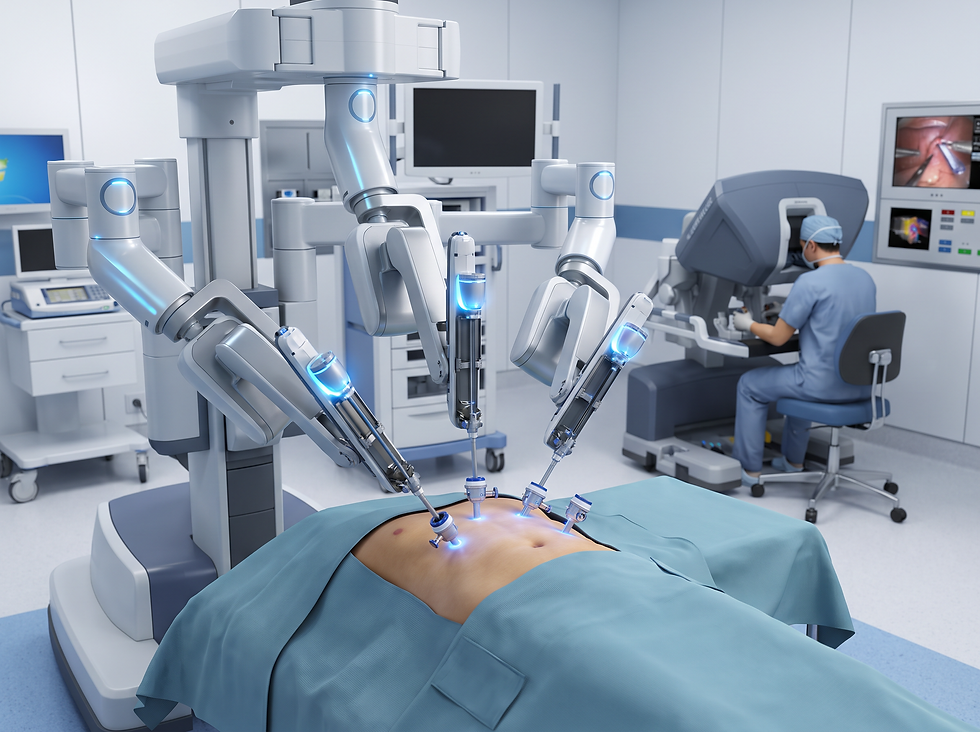
The Surgical Procedure and Recovery
The experience of a minimally invasive procedure differs from traditional surgery in several key ways, most notably regarding anesthesia and incision size. While traditional surgery almost always requires general anesthesia, some minimally invasive procedures can be performed under local anesthesia with sedation. The incisions themselves are remarkably small, typically measuring half an inch or less, though they may be slightly larger if an organ needs to be removed.
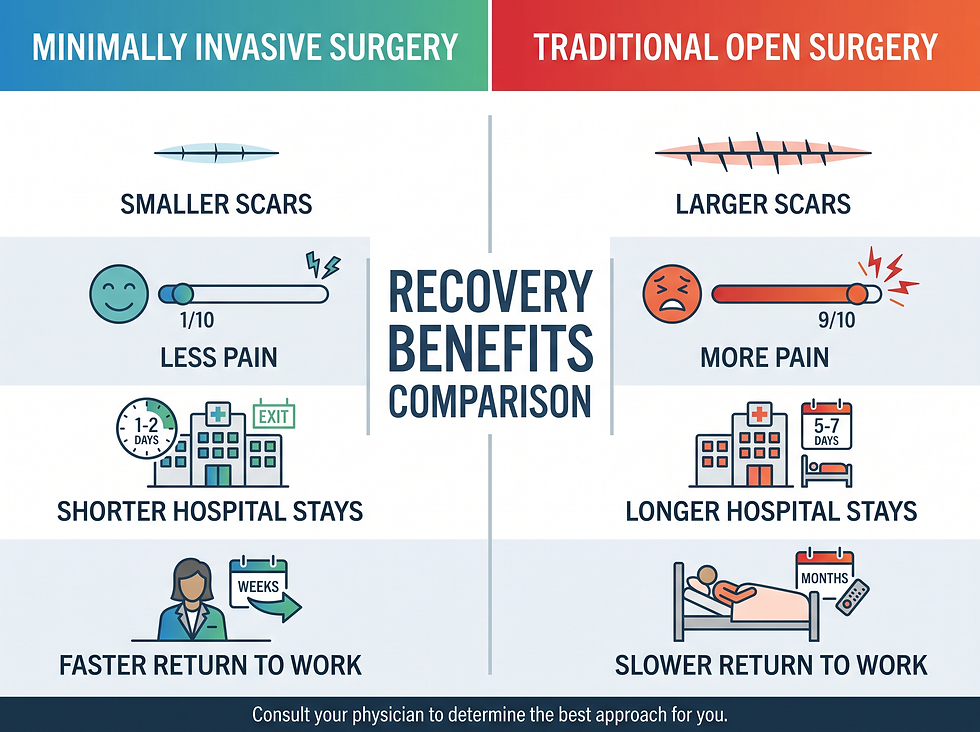
Recovery after minimally invasive surgery is generally much faster and less painful than recovery from open surgery. Many patients are eligible for same-day discharge, and those who do require a hospital stay often return home much sooner.
Recovery Aspect | Minimally Invasive Surgery | Traditional Open Surgery |
Hospital Stay | Often same-day or 1-2 days. | Typically several days to a week. |
Pain Level | Significantly lower; fewer narcotics needed. | Higher; often requires intensive pain management. |
Scarring | Minimal, small portal scars. | Larger, more prominent surgical scars. |
Activity Return | Often within a few days to two weeks. | May take several weeks to months. |
Risks and Considerations
Although the risks are generally lower than those associated with open surgery, minimally invasive procedures still carry the standard risks of any surgical intervention. These include potential infection, bleeding, blood clots, and injury to surrounding organs or nerves. There is also a small possibility that a surgeon may need to "convert" the procedure to a traditional open surgery if complications arise or if the condition is more complex than initially anticipated.
Specific techniques carry unique considerations. For example, the gases used in laparoscopy can sometimes cause temporary shoulder pain or discomfort as the body absorbs the remaining gas. Patients should discuss these potential side effects and the overall risk profile with their healthcare provider to make an informed decision.
Conclusion
Minimally invasive surgery has revolutionized the patient experience by offering effective surgical solutions with a focus on rapid recovery and minimal physical impact. By utilizing advanced imaging and robotic technology, surgeons can perform complex repairs through tiny portals that were once thought impossible. As these techniques continue to evolve, they remain a cornerstone of modern, patient-centered surgical care.
Next Steps
If you are facing a surgical procedure, ask your surgeon if a minimally invasive approach is an option for your specific condition. Discuss the benefits and risks compared to traditional surgery, and ensure you understand the preparation required for your chosen path. Seeking a consultation with a specialist who is experienced in robotic or laparoscopic methods can provide you with the most current information regarding your surgical options.
Frequently Asked Questions
What is the main benefit of minimally invasive surgery?
The primary benefits include less pain, smaller scars, a lower risk of infection, and a significantly faster recovery time.
Is robotic surgery considered minimally invasive?
Yes, robotic surgery is an advanced form of minimally invasive surgery that uses robotic arms for extreme precision through small incisions.
Will I be awake during the procedure?
While some procedures use local anesthesia and sedation, many still require general anesthesia to ensure you remain comfortable and still.
How small are the incisions?
Most incisions for minimally invasive surgery are half an inch long or less, often referred to as "keyhole" incisions.
Can all surgeries be done this way?
No, while many are possible, some complex conditions or emergency situations still require traditional open surgery.
What is laparoscopic surgery?
This is a type of minimally invasive surgery performed specifically in the abdominal or pelvic cavities using a laparoscope.
Is the recovery really faster?
Generally, yes. Most patients return to their normal activities much sooner than they would after a traditional open procedure.
What are the risks?
Standard risks include infection and bleeding, along with a small chance the surgery may need to be converted to an open procedure.
Will I have a lot of scarring?
Scarring is typically minimal and limited to small marks where the surgical portals were placed.
Do I need to stay in the hospital?
Many minimally invasive procedures are performed on an outpatient basis, meaning you can go home the same day.
What is an endoscope?
An endoscope is a thin, flexible tube with a camera and light that allows surgeons to see inside the body without large cuts.
Is it safer than traditional surgery?
In many cases, it is considered safer due to lower risks of blood loss and infection, but candidacy is always individualized.
What is endovascular surgery?
This technique involves operating through the blood vessels using a catheter, often avoiding any large incisions.
Why would a surgeon switch to open surgery?
A switch may occur if the surgeon encounters unexpected complications or finds that the condition cannot be safely treated through small ports.
How should I prepare for MIS?
Preparation typically involves fasting, adjusting medications, and undergoing pre-operative tests as directed by your surgical team.
Medical Disclaimer
This content is for informational purposes only and does not constitute medical advice. Always seek the advice of your physician or other qualified health provider with any questions you may have regarding a medical condition or surgical procedure.
Comments