Understanding Metachromatic Leukodystrophy: Causes, Symptoms, and Care

Updated: 2 days ago
Medically reviewed by Dr. Baraa Alnahhal, MD · Last reviewed: September 2026
Editorial note: This article is provided for educational purposes only. It is not medical advice. Always consult a qualified healthcare professional for diagnosis and treatment of any condition.
TL;DR
Metachromatic Leukodystrophy (MLD) is a rare, progressive genetic disorder that damages the nervous system's white matter. It leads to a steady decline in mental and motor functions across three distinct forms: late infantile, juvenile, and adult. While no cure exists, management focuses on supportive therapies and symptom relief to enhance quality of life.
Quick Answer
Metachromatic Leukodystrophy (MLD) is a rare genetic condition characterized by the progressive destruction of white matter in the brain and peripheral nerves. Caused by a gene mutation that leads to toxic fatty material buildup, it results in the loss of motor skills and cognitive function. Treatment is primarily supportive, utilizing medication, physical therapy, and nutritional assistance to manage symptoms and improve the patient's comfort throughout the disease's progression.
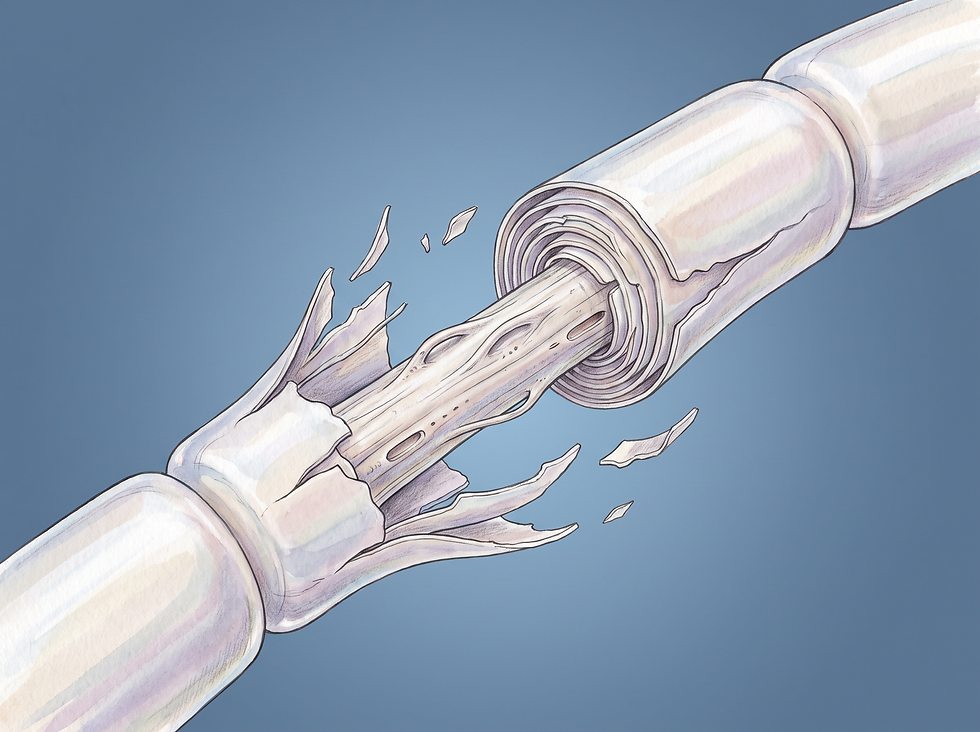
Metachromatic Leukodystrophy (MLD) is a rare genetic condition that leads to a progressive decline in both mental and motor functions. It belongs to a group of disorders known as lysosomal storage diseases. The condition is characterized by the damage it causes to the white matter of the central nervous system, which includes the brain and spinal cord, as well as the peripheral nerves. This damage occurs because of the buildup of fatty materials called sulfatides in the cells, which impairs the growth and maintenance of the myelin sheath, the protective covering around nerve fibers.
The name of the condition reflects its biological characteristics. "Metachromatic" refers to the way cells with sulfatide buildup appear under a microscope, picking up color differently than surrounding tissues when stained. "Leukodystrophy" combines the terms for white matter and wasting away, describing the progressive destruction of this vital nervous system component. As the disease advances, symptoms typically worsen, eventually leading to a loss of muscle movement and intellectual function.
Forms of the Condition
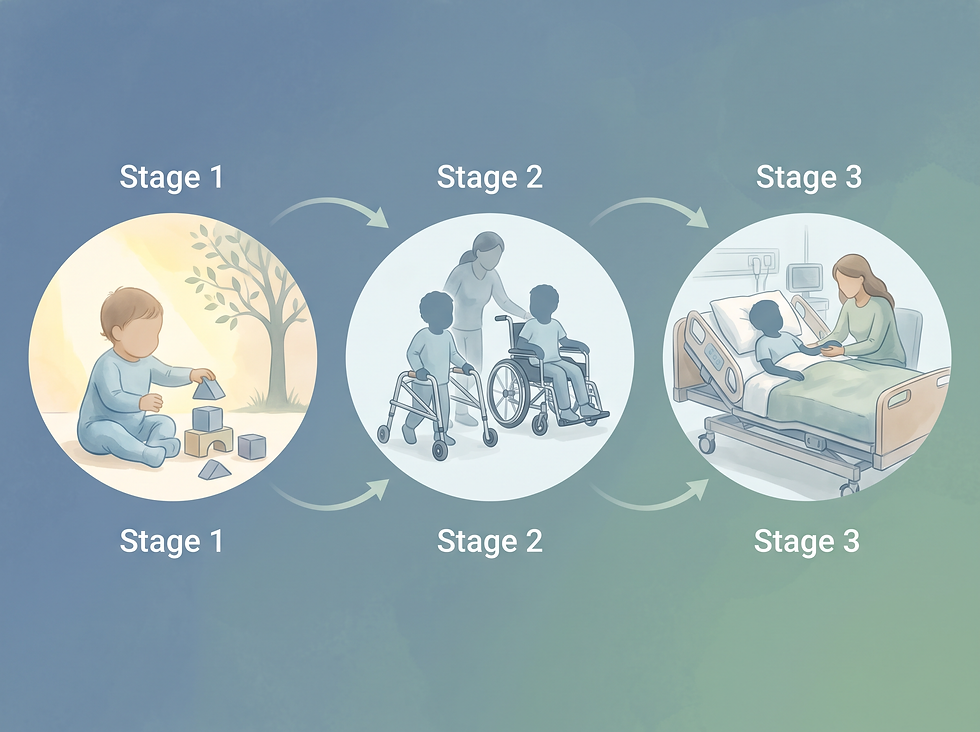
MLD manifests in three distinct forms based on the age of onset. The late infantile form is the most common, affecting children between 12 and 20 months old and progressing rapidly. The juvenile form appears in children between ages 3 and 10, while the adult form typically begins after age 16. Each form follows a different timeline of progression and presents unique challenges for patients and their families.
Form | Typical Age of Onset | Percentage of Cases | Primary Characteristics |
Late Infantile | 12 to 20 months | 50% – 60% | Rapid decline in walking, vision, and cognitive skills. |
Juvenile | 3 to 10 years | 20% – 30% | Intellectual decline, behavioral changes, and seizures. |
Adult | Over 16 years | 15% – 20% | Psychiatric symptoms, cognitive decline, and seizures. |
Prevalence and Statistics
While MLD is rare in the general population, affecting approximately 1 in every 40,000 people in the United States, its prevalence can vary significantly in specific communities. For instance, in certain isolated populations such as the Navajo, the rate is notably higher, affecting approximately 1 in every 2,500 individuals.
Signs and Symptoms
The symptoms of MLD vary significantly depending on the form of the disease. In late infantile MLD, children initially develop as expected but then begin to experience difficulty walking, weak muscle tone, and developmental delays. This often progresses to vision loss, difficulty swallowing, and dementia.
Juvenile MLD often presents first as a decline in school performance or changes in behavior and personality. Patients may lose control over muscle movements and experience seizures or peripheral neuropathy. In contrast, the adult form primarily causes psychiatric changes, such as hallucinations or psychosis, often with minimal motor symptoms in the early stages. Due to these psychiatric presentations, the adult form is frequently misdiagnosed as other mental health conditions.
Causes and Genetic Inheritance
The underlying cause of MLD is a genetic mutation inherited in an autosomal recessive pattern. This means that a person must inherit a mutated gene from both biological parents to develop the condition. Parents who carry only one copy of the mutation typically do not show any symptoms themselves.
Most cases are linked to mutations in the ARSA gene, which provides instructions for an enzyme that breaks down sulfatides. When this enzyme is deficient, sulfatides build up to toxic levels, damaging the white matter. A less common form involves mutations in the PSAP gene, which also plays a role in sulfatide processing.
Diagnosis and Testing
Healthcare providers, typically neurologists, use several methods to confirm a diagnosis of MLD. Genetic testing is used to identify mutations in the ARSA or PSAP genes, while biochemical testing measures enzyme activity and sulfatide levels in the blood or urine. A brain MRI is a critical diagnostic tool, as it can reveal the specific pattern of myelin loss characteristic of the disease. Additional tests, such as nerve conduction studies and neurocognitive assessments, help determine the extent of the condition's impact on the nervous system.
Management and Supportive Care
Currently, there is no known cure for MLD. The primary goal of treatment is to manage symptoms, prevent complications, and enhance the patient's quality of life. For children who are pre-symptomatic or showing minimal symptoms, stem cell transplants may be recommended to slow the disease's progression.
Management Area | Common Approaches |
Medication | Anticonvulsants for seizures, muscle relaxants for spasticity, and pain management. |
Therapies | Physical, occupational, and speech therapy to maintain function and communication. |
Nutritional Support | Feeding tubes (PEG) for patients with significant swallowing difficulties. |
Mental Health | Psychotherapy and antidepressants to address mood and psychiatric symptoms. |
Palliative Care | Specialized support for symptom relief, comfort, and caregiver assistance. |

Complications and Outlook
The progressive nature of MLD leads to several serious complications, including significant neurocognitive decline, blindness due to optic atrophy, and malnutrition. Aspiration pneumonia is another common risk as swallowing function declines. The long-term outlook is generally poor, as the disease eventually leads to the loss of all mental and motor functions. Life expectancy varies by form: the late infantile form typically results in death within five to six years of diagnosis, while the juvenile and adult forms may progress over one to two decades.
Prevention and Family Planning
Because MLD is an inherited genetic condition, it cannot be prevented through lifestyle changes. However, individuals with a family history of the disease may seek genetic counseling. This process can help prospective parents understand their carrier status and the risks of passing the mutation to their biological children.
Related reading: MLD is one of several leukodystrophies. To learn about another, see Adrenoleukodystrophy (ALD): Complete Guide to Symptoms, Causes & Treatment.
Conclusion
Metachromatic Leukodystrophy is a challenging and progressive condition that requires comprehensive, multidisciplinary care. While the diagnosis can be overwhelming, a dedicated healthcare team can help families develop a tailored management plan focused on comfort and quality of life. Staying informed and seeking support through specialized groups can provide valuable resources for both patients and caregivers navigating the complexities of this rare disorder.
Take action today: If you or a loved one are experiencing unexplained neurological symptoms or have a family history of genetic disorders, consult with a healthcare professional or a genetic counselor. Early diagnosis and a proactive management plan are essential for coordinating the supportive care necessary to maintain the best possible quality of life.
Frequently Asked Questions
1. What is the primary cause of Metachromatic Leukodystrophy?
MLD is caused by a genetic mutation, most commonly in the ARSA gene, which leads to a deficiency in an enzyme needed to break down fatty materials called sulfatides.
2. Is Metachromatic Leukodystrophy contagious?
No, MLD is a genetic condition inherited from biological parents and cannot be spread from person to person.
3. What are the three forms of MLD?
The three forms are late infantile (onset at 12–20 months), juvenile (onset at 3–10 years), and adult (onset after age 16).
4. How does MLD affect the brain?
It causes the progressive destruction of white matter, which is the protective myelin sheath around nerve fibers, leading to a decline in mental and motor functions.
5. Can adults develop MLD?
Yes, the adult form of MLD typically begins after age 16 and often presents with psychiatric symptoms.
6. What is the most common form of MLD?
The late infantile form is the most common, accounting for 50% to 60% of all cases.
7. How is MLD diagnosed?
Diagnosis involves genetic testing, biochemical tests for enzyme activity, and brain MRIs to detect myelin loss.
8. Is there a cure for MLD?
There is currently no cure for MLD; treatment focuses on managing symptoms and improving quality of life.
9. What role does stem cell transplantation play in MLD?
Stem cell transplants may be used in children who have no or minimal symptoms to help slow the progression of the disease.
10. What are the early signs of late infantile MLD?
Early signs include difficulty walking, weak muscle tone, and developmental delays after the first year of life.
11. How does adult MLD differ from the infantile form?
Adult MLD primarily causes psychiatric and cognitive changes with fewer initial motor symptoms, whereas the infantile form causes rapid motor and mental decline.
12. What are sulfatides?
Sulfatides are fatty materials that build up in the cells of people with MLD due to an enzyme deficiency, eventually becoming toxic to the nervous system.
13. Can MLD be prevented?
MLD cannot be prevented, but genetic counseling can help families understand the risks of passing the condition to their children.
14. What is the life expectancy for someone with juvenile MLD?
Death typically occurs 10 to 20 years after the initial diagnosis in the juvenile form.
15. Why is adult MLD often misdiagnosed?
Because it often presents with psychiatric symptoms like psychosis or hallucinations, it is frequently mistaken for conditions like bipolar disorder or dementia.
Medical Disclaimer: The information provided in this article is for educational purposes only and is not intended as a substitute for professional medical advice, diagnosis, or treatment. Always seek the advice of your physician or other qualified health provider with any questions you may have regarding a medical condition.
Comments