
Low Sex Drive in Women: Symptoms, Causes & Treatments

Updated: 2 days ago
Medically reviewed by Dr. Baraa Alnahhal, MD · Last reviewed: September 2026
A low sex drive in women is a common, often treatable experience shaped by physical health, hormone changes, mental well-being, and relationship dynamics. There is no magic number that defines low desire — the key question is whether it bothers you. If diminished interest continues and causes personal distress, a healthcare professional can help identify the cause and build a treatment plan. Options range from counseling and medication reviews to hormone therapy, lifestyle changes, and — for premenopausal women — specific libido-boosting medicines.
Quick Answer
Is a low sex drive in women abnormal? No. Sexual desire naturally rises and falls across life stages, relationships, and health changes.
When is it a medical concern? When a lack of interest continues or returns and causes personal distress — this can indicate a treatable condition called sexual interest-arousal disorder.
What are the main symptoms? Little or no interest in sexual activity, few or no sexual thoughts or fantasies, and feeling sad or concerned about it.
What causes it? Four broad categories: physical causes, hormone changes, psychological factors, and relationship issues.
How is it diagnosed? Through your medical and sexual history, possibly a pelvic exam, blood tests, and sometimes a referral to a counselor or sex therapist.
How is it treated? Most women benefit from a combined approach: sex education and counseling, medication review, sometimes medicine or hormone therapy, plus lifestyle changes.
Are there specific libido medicines? Yes — flibanserin (Addyi) and bremelanotide (Vyleesi) — but they are approved in the United States only for premenopausal women.
What Is a Low Sex Drive in Women, Exactly?
Women's levels of sexual desire change over the years. Highs and lows are common alongside the start or end of a relationship. They can also happen with major life changes such as pregnancy, menopause, or illness. Some medicines used for conditions that affect mood can also cause low sex drive in women.
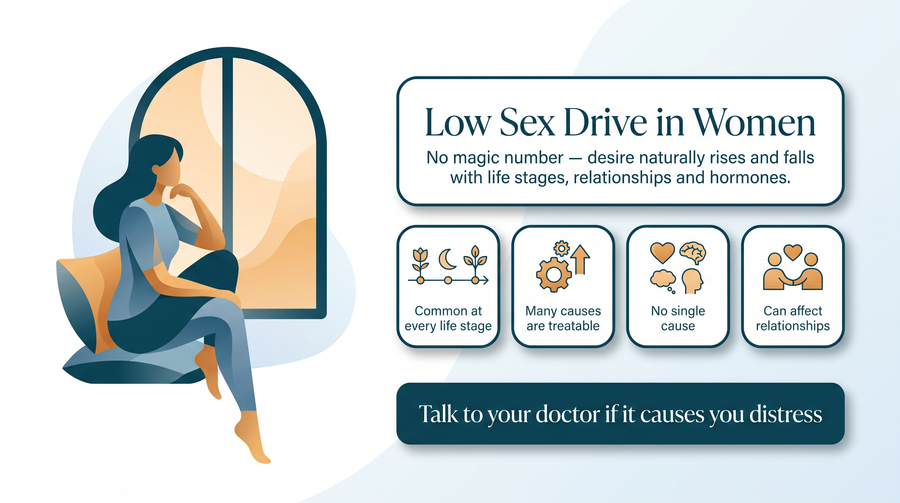
Here is the most important thing to know: there is no magic number to define low sex drive. It varies. Even if your sex drive is lower than it once was, your relationship may be strong. And if a couple's desire doesn't match, neither person may be outside what's typical for people at their stage in life.
What makes low desire worth addressing is how you feel about it. If a lack of interest in sex continues or returns and causes personal distress, you may have a treatable condition called sexual interest-arousal disorder. But you don't have to meet this medical definition to seek help. If you're bothered by a low or reduced sex drive, you can take steps to boost your libido — through lifestyle changes, sexual techniques, and in some cases, medicine.
What Are the Symptoms of Low Sex Drive in Women?
Because desire naturally fluctuates, low sex drive is defined less by a specific frequency and more by a pattern of reduced interest that matters to you. The symptoms of low sex drive in women include:
Reduced interest in sexual activity: having less or no interest in any type of sexual activity, including masturbation.
Few sexual thoughts or fantasies: never or only seldom having sexual fantasies or thoughts.
Distress about the change: being sad or concerned about your lack of sexual activity or fantasies — this is what makes it a health concern.
When Should You See a Doctor About Low Desire?
If you're concerned about your low desire for sex, talk to your gynecologist or another healthcare professional. The answer might be as simple as changing a medicine that you take. Or you may need to get a condition such as high blood pressure or diabetes under tighter control.
There's nothing to be embarrassed about. Primary healthcare professionals and gynecologists often ask about sex and intimacy as part of a routine medical visit — and your sexual satisfaction is a vital part of your overall health and well-being.
What Causes Low Sex Drive in Women?
Desire for sex is based on a complex mix of many things that affect intimacy: physical and emotional well-being, experiences, beliefs, lifestyle, and your current relationship. If you have challenges in any of these areas, it can affect your desire for sex. Causes generally fall into four broad categories.

Physical Causes
A variety of illnesses, physical changes, and medicines can cause low sex drive:
Sexual conditions: pain during sex or an inability to orgasm can lower your desire for sex.
Diseases: many nonsexual diseases can affect sex drive, including cancer, diabetes, high blood pressure, coronary artery disease, and neurological diseases.
Medicines: some prescription medicines lower sex drive — especially depression medicines called SSRIs (selective serotonin reuptake inhibitors).
Lifestyle habits: too much alcohol and street drugs can affect your sex drive, and smoking decreases blood flow, which may dull arousal.
Surgery: any surgery related to your breasts or genital tract can affect your body image, sexual function, and desire for sex.
Fatigue: exhaustion from caring for young children or aging parents, illness, or surgery can contribute to low sex drive.
Hormone Changes
Changes in your hormone levels may alter your desire for sex:
Menopause: estrogen levels drop during menopause, which can make you less interested in sex and cause vaginal dryness, leading to painful or uncomfortable sex. Many women still have satisfying sex during menopause and beyond.
Pregnancy and breastfeeding: hormone changes during pregnancy, just after having a baby, and during breastfeeding can put a damper on sex drive, along with fatigue and changes in body image.
Psychological Causes
Your state of mind can affect your sexual desire. Psychological causes of low sex drive include mental health conditions such as anxiety or depression, stress tied to finances, relationships, or work, poor body image, low self-esteem, a history of physical, emotional, or sexual abuse, and past negative sexual experiences.
Relationship Issues
For many people, emotional closeness is a key to sexual intimacy. So problems in your relationship can be a major factor in low sex drive. Often, less interest in sex is a result of ongoing issues such as a lack of connection with your partner, unresolved conflicts or fights, poor communication of sexual needs and desires, trust issues, concern over your partner's ability to have sex, or not enough privacy.
What Raises Your Risk of Low Sex Drive?
Several factors can raise the risk of low sex drive. Most overlap with the causes above, which is reassuring, because it means they can be identified and addressed:
Chronic health conditions: diabetes, high blood pressure, and coronary artery disease.
Sexual discomfort: pain during sex or not being able to orgasm.
Mental health conditions: and life circumstances that affect your state of mind.
Prescription medicines: especially SSRI antidepressants.
Breast or genital tract surgery: can affect body image and sexual function.
Hormone changes: during menopause, pregnancy, or breastfeeding.
Relationship issues: anything that lessens emotional closeness with your partner.
How Is Low Sex Drive in Women Diagnosed?
If low sex desire concerns you, talk with your gynecologist or another member of your healthcare team. For some women, low sex drive is part of an ongoing condition called sexual interest-arousal disorder. You don't have to fit this definition to reach out for help — your healthcare professional can look for reasons that your sex drive isn't as high as you'd like.
What Is Sexual Interest-Arousal Disorder?
Sexual interest-arousal disorder involves having at least three of the following symptoms, which cause sadness or anxiety:
No desire to have any type of sexual activity or to masturbate.
Few or no sexual thoughts or fantasies.
Not wanting to make the first move in a sexual encounter with a partner.
Less or no pleasure during sexual activity.
Less or no interest in any sexual or erotic cues from a partner.
Few or no physical sensations during sexual activity in most sexual encounters.
What to Expect at Your Appointment
During your appointment, your healthcare professional asks questions about your medical and sexual history. They also might:
Do a pelvic exam: checks for physical changes such as certain skin diseases of the vulva, thinning of the vaginal tissues, vaginal dryness, or pain-triggering spots.
Recommend testing: blood tests can check hormone levels, thyroid problems, diabetes, high cholesterol, and liver disorders.
Refer you to a specialist: a counselor or sex therapist can help check for emotional and relationship factors that can cause low sex drive.
How Is Low Sex Drive in Women Treated?
Most women benefit from a treatment approach aimed at the many causes behind this condition. Recommendations may include sex education, counseling, and sometimes medicine and hormone therapy.
Sex Education and Counseling
Talking with a sex therapist or counselor skilled in addressing sexual concerns can help with low sex drive. Therapy often includes education about sexual response and techniques, plus recommendations for reading material or couples' exercises. Couples counseling that addresses relationship issues may also help boost feelings of intimacy and desire.
Medication Review: Could Your Prescription Be the Problem?
Your healthcare professional reviews any medicines you take to see if any tend to cause sexual side effects. For example, SSRI antidepressants such as paroxetine (Paxil) and fluoxetine (Prozac) may lower sex drive.
If your antidepressant might be the cause, your healthcare professional may recommend waiting to see if your sex drive improves, lowering the dose, taking a break, or changing your depression treatment. Switching to a different type of antidepressant may lead to fewer sexual side effects:
Mirtazapine (Remeron): a different antidepressant class.
Vilazodone (Viibryd): a different antidepressant class.
Bupropion (Wellbutrin XL, Forfivo XL): can be added to an SSRI regimen instead of switching.
Vortioxetine (Trintellix): a different antidepressant class.
Libido-Boosting Medicines for Premenopausal Women
Along with recommending counseling, your healthcare professional may prescribe a medicine to boost your libido. In the United States, these medicines aren't approved for use after menopause. Options for women who have not yet reached menopause include:
Flibanserin (Addyi): a pill taken once a day at bedtime. Side effects include low blood pressure, drowsiness, dizziness, upset stomach, and fatigue; alcohol and the antifungal fluconazole (Diflucan) can worsen side effects.
Bremelanotide (Vyleesi): self-injected just under the skin in the belly or thigh before sexual activity. Side effects include upset stomach (more common after the first shot), vomiting, flushing, headache, and a skin reaction at the injection site.
Hormone Therapy
Dryness or shrinking of the vagina is one of the hallmark symptoms of genitourinary syndrome of menopause (GSM). This condition might make sex uncomfortable and, in turn, reduce your desire. Some hormone medicines that relieve GSM symptoms could help make sex more comfortable — and being more comfortable during sex may boost your desire.
Estrogen: pills, patches, sprays, gels, or smaller amounts in vaginal creams, suppositories, or rings. Low-dose vaginal estrogen is unlikely to raise breast cancer risk, but won't improve sexual functioning related to sexual interest-arousal disorder.
Testosterone: delivered through the skin; not FDA-approved for sexual conditions in women, but sometimes prescribed and trialed up to six months with close monitoring. Side effects include acne, extra body hair, and mood changes.
Prasterone (Intrarosa): a vaginal insert used nightly that delivers DHEA directly to the vagina; eases painful sex and moderate-to-severe vaginal dryness linked to GSM.
Ospemifene (Osphena): a daily pill that eases painful-sex symptoms of moderate-to-severe GSM; not approved for women who've had breast cancer or have high breast cancer risk.
What Lifestyle Changes Help Boost a Low Sex Drive?
Healthy lifestyle changes can make a big difference in your desire for sex. These approaches are low-risk, inexpensive, and often the foundation of any treatment plan:
Exercise: regular aerobic exercise and strength training can increase your stamina, improve your body image, lift your mood, and boost your libido.
Stress less: finding ways to cope with stress tied to work, money, and daily hassles — such as journaling or meditation — can enhance your sex drive.
Talk with your partner: open, honest communication maintains a stronger emotional connection and can lead to better sex.
Set aside time for intimacy: scheduling sex may seem contrived, but the extra effort can help put your sex drive back on track.
Add a little spice to your sex life: try a different position, time, or location, more foreplay, or sex toys and fantasy if you and your partner are open to it.
Try vaginal lubricants and moisturizers: these may ease genitourinary syndrome of menopause symptoms such as vaginal dryness, and with regular use might work about as well as estrogen therapy.
Be aware of your habits: smoking, illegal drugs, and drinking too much alcohol can dampen your sex drive; cutting back may give it a boost and improve your overall health.
Do Supplements for Low Sex Drive Actually Work?
Talking about low sex drive with a healthcare professional can be hard for some people, so some try herbal supplements available without a prescription. But these products aren't regulated, and often aren't well studied. They can have side effects or change how other medicines work. Always talk with a healthcare professional before using them.
Avlimil: an herbal supplement blend with estrogen-like effects. Estrogen may boost sex drive, but it may also fuel the growth of certain breast cancers.
Zestra: a plant-based massage oil applied to the clitoris, labia, and vagina. One small study found it increased arousal and pleasure versus placebo; some participants reported mild burning in the genital area.
How Can You Cope When Low Desire Stresses Your Relationship?
Low sex drive can be challenging for you and your partner. It's natural to feel frustrated or sad if you aren't able to be as sexy and romantic as you want or used to be. At the same time, low sex drive can make your partner feel rejected, which can lead to conflicts and strife — relationship stress that can lessen desire even more, creating a frustrating cycle.
It may help to remember that changes in sex drive are typical, part of every relationship and every stage of life. Try not to focus all of your attention on sex. Instead, spend some time nurturing yourself and your relationship — go for a long walk, get a little extra sleep, kiss your partner goodbye before you head out the door, or make a date night at your favorite restaurant. Feeling good about yourself and your partner can be the best foreplay.
How Should You Prepare for Your Appointment?
Primary healthcare professionals and gynecologists often ask about sex and intimacy as part of a routine medical visit. Take this chance to talk about your sexual concerns — this topic is perfectly fine to discuss, and your sexual satisfaction is a vital part of your overall health and well-being. To prepare for the conversation:
Take note of any sexual problems you've been having, including when and how often they occur.
Make a list of your key medical information, including conditions you're being treated for and the names of all medicines, vitamins, or supplements you take.
Think about questions to ask and write them down, and bring notepaper or a device so you can jot down information as your healthcare professional answers.

Conclusion: Low Desire Is Common — and Very Often Treatable
A low sex drive in women is one of the most common yet least talked-about health experiences. It can stem from physical health, hormone shifts, stress, or relationship strain — and it almost never means something is permanently broken. The first and most important step is an honest conversation with your gynecologist or healthcare team, who can check for treatable causes and build a plan that fits your life.
Ready to take the first step? Book a visit with your gynecologist and bring this guide's appointment-prep checklist.
Frequently Asked Questions
Is it normal to have a low sex drive as a woman?
Yes. Women's levels of sexual desire change over the years, and highs and lows are common with the start or end of a relationship, pregnancy, menopause, or illness. There is no magic number that defines low sex drive. It becomes a health concern when the change continues and causes you personal distress.
What is sexual interest-arousal disorder?
It is a treatable condition defined by having at least three of six symptoms — such as no desire for sexual activity, few sexual thoughts or fantasies, less pleasure during sex, and less interest in a partner's erotic cues — that cause sadness or anxiety. You don't need to meet this definition to seek help.
What are the symptoms of low sex drive in women?
The main symptoms are having less or no interest in any type of sexual activity (including masturbation), never or seldom having sexual fantasies or thoughts, and feeling sad or concerned about the lack of sexual activity or fantasies.
What causes low sex drive in women?
Causes fall into four broad categories: physical causes (diseases, medicines, pain during sex, fatigue), hormone changes (menopause, pregnancy, breastfeeding), psychological factors (anxiety, depression, stress, body image, past experiences), and relationship issues (poor communication, unresolved conflict, trust issues, lack of privacy).
Can antidepressants lower a woman's sex drive?
Yes. SSRIs such as paroxetine (Paxil) and fluoxetine (Prozac) may lower sex drive. If your antidepressant might be the cause, your healthcare professional can adjust the dose, pause it, or switch you to an antidepressant with fewer sexual side effects, such as bupropion or mirtazapine.
Is there a pill to boost sex drive in women?
Yes, but only for premenopausal women in the United States. Flibanserin (Addyi) is a daily bedtime pill, and bremelanotide (Vyleesi) is a self-injection taken before sexual activity. Both can cause side effects, and these medicines are not approved for use after menopause.
Can hormone therapy help with low libido after menopause?
It can help when low desire is tied to genitourinary syndrome of menopause (GSM). Options include estrogen (oral, patch, or low-dose vaginal forms), testosterone (sometimes prescribed off-label with close monitoring), the vaginal insert prasterone (Intrarosa), and the daily pill ospemifene (Osphena). Estrogen alone won't improve desire related to sexual interest-arousal disorder.
Are libido supplements safe?
Proceed with caution. Nonprescription herbal supplements are not regulated and often not well studied, and they can have side effects or interact with other medicines. Products like Avlimil and Zestra have limited evidence behind them. Always talk with a healthcare professional before using them.
References
Low sex drive in women — Symptoms and causes (updated March 07, 2024)
Low sex drive in women — Diagnosis and treatment (updated March 07, 2024)
Rinnit.com provides general health information for educational purposes. This article is not a substitute for professional medical advice, diagnosis, or treatment. Always consult your healthcare professional for guidance specific to your situation.
Comments