Loose Tooth in Adults: Causes, Symptoms, and Treatment Options

Updated: 2 days ago
Medically reviewed by Dr. Baraa Alnahhal, MD · Last reviewed: September 2026
TL;DR: Loose teeth are a normal part of childhood, but a wobbly permanent tooth in an adult is always a sign of an underlying problem. Common causes include gum disease, dental trauma, and teeth grinding. Treatment ranges from nonsurgical adjustments and splinting to oral surgery, depending on severity. Early care is critical to saving the tooth and preventing complications such as infection or tooth loss.
Quick Answer: A loose adult tooth is never normal and usually points to gum disease, injury, or chronic grinding. Symptoms often include a wobbly feeling when eating, red or bleeding gums, and changes in how the teeth bite together. Dentists treat these cases with bite adjustments, protective mouth guards, or surgical grafts that reinforce the supporting bone and tissue. Getting professional care at the first sign of mobility greatly improves the chances of stabilizing the tooth.
The Significance of a Loose Adult Tooth
In children, a loose tooth is a celebrated milestone as baby teeth make way for permanent ones. In an adult, however, tooth mobility is a clinical concern that needs prompt professional attention. A permanent tooth is designed to be held firmly in place by a system of bone, ligaments, and gum tissue. When that stability is lost, it signals either physical trauma or a progressive disease affecting the structures of the mouth.
Early detection is the most effective way to preserve a wobbly tooth. Depending on the root cause, some teeth can be stabilized with better oral hygiene and nonsurgical treatment. Ignoring the symptoms, on the other hand, can lead to severe pain, widespread infection, and eventual tooth loss.

Common Causes of Tooth Mobility
The most common cause of loose teeth in adults worldwide is periodontal (gum) disease. Periodontitis is an inflammatory condition that progressively destroys the bone and connective tissue that anchor the teeth. As these supports weaken, the tooth loses stability and begins to wobble.
Beyond disease, physical factors play a significant role. Dental trauma from sports injuries or accidents can loosen a tooth suddenly. Chronic habits such as bruxism, the clenching or grinding of teeth, apply excessive pressure over time and lead to gradual mobility. In some cases, hormonal changes during pregnancy can temporarily loosen the tissues that hold teeth in place.
Cause | Description | Impact on Stability |
Gum Disease | Infection of the gum tissue and bone | Breaks down supporting ligaments and bone |
Dental Trauma | Sudden impact or injury | Immediate loosening or displacement |
Bruxism | Chronic teeth grinding or clenching | Gradual weakening of the tooth's anchor |
Pregnancy | Hormonal surges (progesterone and estrogen) | Temporary loosening of periodontal tissues |
Recognizing Symptoms and Seeking Diagnosis
People often first notice a loose tooth through physical sensation, such as a wiggly feeling when brushing, flossing, or chewing. The tooth may also feel "off" when the upper and lower teeth meet during a bite. These signs are frequently accompanied by gum symptoms such as redness, tenderness, or bleeding.
A professional diagnosis involves a thorough examination in which the dentist assesses the degree of mobility and identifies the underlying trigger. Along with physical testing, dentists may use imaging to evaluate the health of the supporting bone.

Treatment and Management Strategies
Treatment for a loose tooth depends on its severity and primary cause. For teeth loosened by trauma or grinding, nonsurgical methods are often the first line of defense. A bite adjustment can relieve excess pressure by removing a tiny amount of enamel, while splinting bonds the wobbly tooth to its stable neighbors to support it during healing.
When gum disease is the culprit, more intensive care may be needed. This can range from deep cleanings such as scaling and root planing to surgical procedures such as bone or gum grafts designed to rebuild lost support. You can read more in our guide to gum disease treatment. If a tooth cannot be saved, extraction followed by a dental implant or bridge is the standard course of action.
Treatment Option | Method | Goal |
Bite Adjustment | Enamel reshaping | Reduce biting pressure on the tooth |
Splinting | Bonding teeth together | Provide stability during healing |
Mouth Guard | Oral appliance | Protect against grinding (bruxism) |
Bone/Gum Grafts | Surgical tissue replacement | Rebuild supporting structures |
Prevention and Home Care
A wobbly permanent tooth needs professional care, but a few home steps can help until your dental appointment. Rinsing with warm salt water can help reduce inflammation, and avoiding hard or crunchy foods prevents further stress on the tooth.
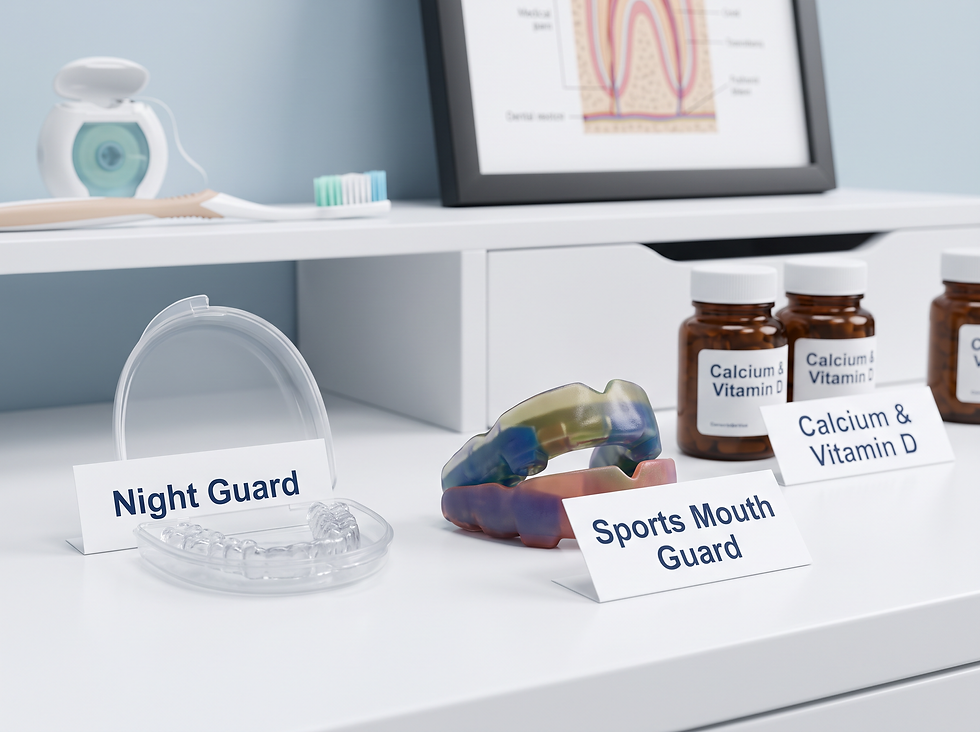
Long-term prevention focuses on rigorous oral hygiene and regular dental check-ups. People who play contact sports should wear a mouth guard, and those who grind their teeth should use a custom night guard. A diet rich in calcium and vitamin D also supports the bone health that tooth stability depends on.
Conclusion
A loose tooth in an adult is a serious symptom that should never be ignored. Whether it is caused by an underlying disease such as periodontitis or by physical factors such as trauma, early professional care is the key to saving the tooth. By understanding the causes and seeking timely treatment, most wobbly teeth can be stabilized, protecting the long-term health of your smile.
If you notice any movement in your permanent teeth, schedule an appointment with your dentist right away. Early diagnosis and a personalized treatment plan are the best ways to prevent tooth loss and restore your oral health.
Related reading: Periodontitis: Why Your Gums Bleed and Recede, the 4-Stage Disease Path, and How Treatment Saves Your Teeth | Gum Disease Treatment: Restoring Oral Health and Preventing Bone Loss | Gingivitis: Why Your Gums Bleed, What Causes It, and How Daily Care Reverses It
Frequently Asked Questions
1. Is it normal for an adult's tooth to be loose?
No. A loose permanent tooth in an adult is never normal and always points to an underlying issue that needs professional attention.
2. What is the most common cause of loose teeth in adults?
Periodontal (gum) disease is the leading cause, because it destroys the bone and ligaments that support the teeth.
3. Can gum disease really make my teeth fall out?
Yes. If left untreated, periodontitis can weaken the support structure to the point where teeth become loose and eventually fall out.
4. Why do teeth sometimes feel loose during pregnancy?
Hormonal changes can temporarily loosen the tissues holding teeth in place, but this usually resolves after childbirth.
5. Can grinding my teeth make them wobbly?
Yes. Chronic clenching and grinding (bruxism) puts excessive pressure on teeth, which can lead to mobility over time.
6. What does a loose tooth feel like?
It often feels wiggly or wobbly when you eat, brush, or touch it with your tongue, and your bite may feel "off."
7. Should I see a dentist right away for a loose tooth?
Yes. Early treatment is critical. The sooner a dentist can step in, the better the chances of saving the tooth.
8. Can a loose tooth tighten back up on its own?
Some minor mobility from pregnancy or slight trauma may improve, but most cases need professional treatment to stabilize the tooth.
9. What is dental splinting?
It is a procedure in which a dentist bonds a loose tooth to stable neighboring teeth to keep it from moving while it heals.
10. How does a bite adjustment help a loose tooth?
By removing a small amount of enamel, a dentist can reduce the pressure placed on the loose tooth when you bite down.
11. When is surgery needed for a loose tooth?
Surgery, such as bone or gum grafts, may be needed if gum disease has caused significant loss of supporting tissue.
12. What happens if a loose tooth cannot be saved?
The dentist will likely recommend extraction and replacement with a dental implant, bridge, or partial denture.
13. How can I care for a loose tooth at home until my appointment?
Rinse with warm salt water, avoid hard foods, and do not try to pull or wiggle the tooth further.
14. Should I pull my child's loose baby tooth?
It is best to let baby teeth fall out naturally so that permanent teeth grow into their proper positions.
15. How can I prevent my teeth from becoming loose?
Practice good oral hygiene, visit your dentist regularly, wear mouth guards during sports, and avoid smoking.
Medical Disclaimer: The information provided in this article is for educational purposes only and is not intended as medical advice, diagnosis, or treatment. Always seek the advice of your physician or other qualified health provider with any questions you may have regarding a medical condition. Never disregard professional medical advice or delay in seeking it because of something you have read here.
Comments