What is Leaky Gut Syndrome? Separating Theory from Medical Fact

Updated: 2 days ago
Medically reviewed by Dr. Baraa Alnahhal, MD · Last reviewed: September 2026
Leaky gut syndrome is a widely discussed but often misunderstood concept in the realm of digestive health. It is a hypothetical condition based on the physiological phenomenon of increased intestinal permeability.
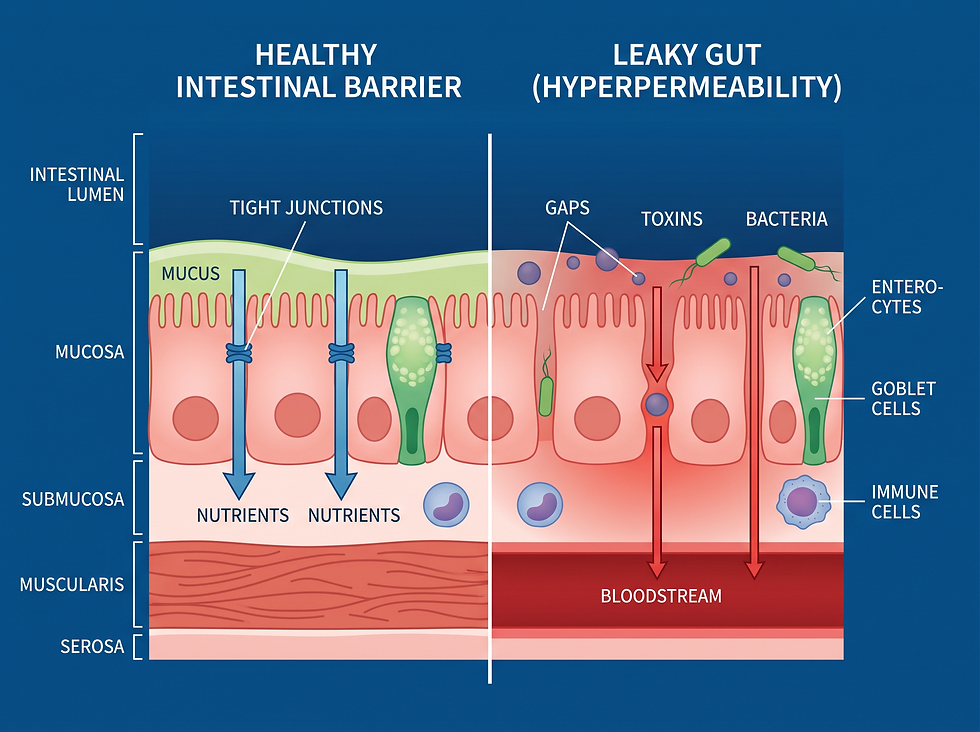
In a healthy state, the intestinal lining acts as a semi-permeable barrier, designed to absorb essential water and nutrients while blocking harmful bacteria and toxins. When this barrier is compromised—a state known as hyperpermeability—it is theorized that substances that should remain in the gut "leak" into the bloodstream, potentially triggering systemic inflammation.
While the concept of a "leaky gut" is scientifically valid, the medical community distinguishes between intestinal permeability as a symptom and "leaky gut syndrome" as a standalone disease. Currently, it is not recognized as a formal medical diagnosis. Instead, healthcare professionals view increased permeability as a consequence of specific underlying conditions that damage the intestinal mucosa over time.
The Science of Intestinal Permeability
Everyone possesses some degree of intestinal permeability, as it is necessary for nutrient absorption. However, when the barrier becomes excessively permeable, it may allow larger, potentially toxic molecules to enter the circulation. This impairment of the intestinal barrier can disrupt the immune system, as the gut lining serves as a primary defense against infectious agents.
Research has confirmed that hyperpermeability is a characteristic feature of several inflammatory and autoimmune diseases. In these instances, chronic inflammation leads to the gradual erosion of the intestinal lining. While some speculate that this permeability could be a contributing cause of disease, most scientific evidence currently points to it being an early sign or a direct result of inflammatory damage.
Condition Type | Relationship to Intestinal Permeability | Examples |
Recognized Diseases | Permeability is a confirmed symptom of chronic inflammation. | Celiac Disease, IBD (Crohn's, Colitis) |
Speculative Links | Theory suggests permeability may trigger or worsen these states. | Chronic Fatigue, Fibromyalgia, Asthma |
Metabolic Disorders | Low-grade inflammation from "leaking" may be a factor. | Obesity, Type 2 Diabetes |
Symptoms and Clinical Presentation
There are no symptoms directly attributed to the state of intestinal permeability itself. Instead, individuals typically experience symptoms related to the underlying injury or inflammation that caused the gut to become "leaky." These symptoms are common to many gastrointestinal disorders, making accurate diagnosis essential.
Common clinical presentations include persistent abdominal pain, bloating, and indigestion. Many individuals also report food sensitivities and low energy levels, which may stem from a reduced ability to efficiently absorb nutrients from food. In cases where the intestinal lining is significantly eroded, more severe symptoms like chronic diarrhea or a burning sensation (ulceration) may occur.
Causes and Risk Factors
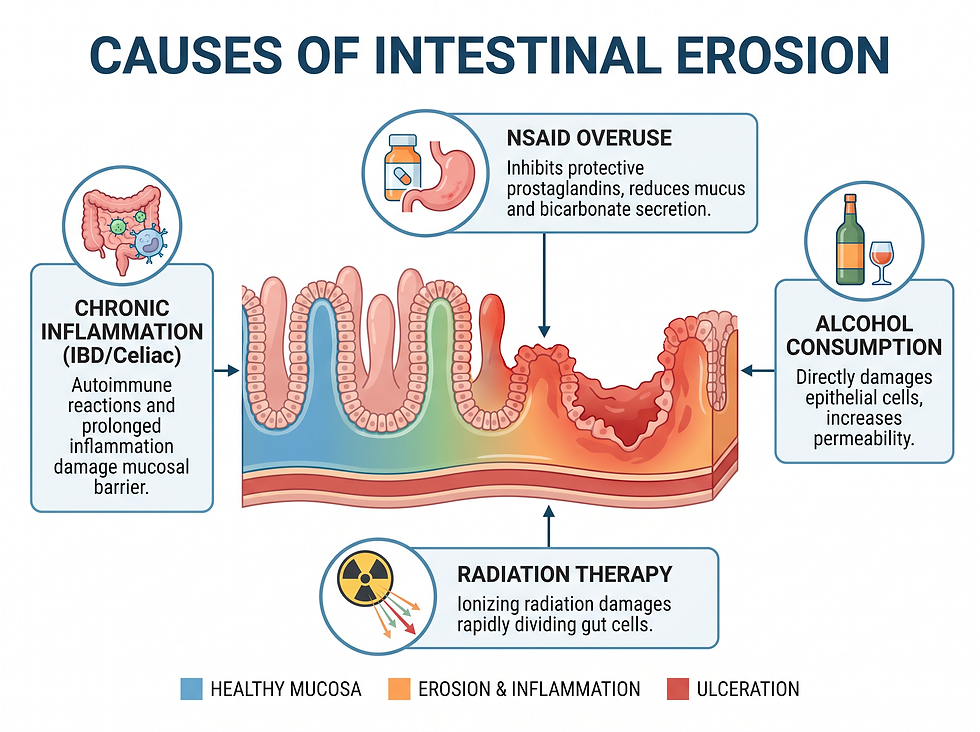
The intestinal lining is remarkably resilient and designed to constantly repair itself. For it to become significantly permeable, it must be under a persistent and severe assault. This usually involves chronic disease, long-term medication use, or significant lifestyle stressors that overwhelm the gut's natural defenses.
Primary Cause | Mechanism of Action |
Chronic Inflammation | Diseases like IBD and Celiac cause systematic erosion of the lining. |
Medication Overuse | Chronic use of NSAIDs (Aspirin, Ibuprofen) can degrade the mucosa. |
Medical Treatments | Chemotherapy and radiation therapy can injure the intestinal barrier. |
Lifestyle Factors | Excessive alcohol consumption and chronic stress may contribute to injury. |
Infections/Allergies | Conditions like HIV/AIDS or severe food allergies trigger immune responses. |
Diagnosis and Management
Because leaky gut syndrome is not a recognized clinical diagnosis, there is no standardized test for it in general medical practice. However, researchers use specialized tests in clinical trials to measure how well the intestinal barrier is functioning. In a clinical setting, doctors focus on identifying and treating the recognized diseases—such as Celiac disease or IBD—that may be causing intestinal hyperpermeability.
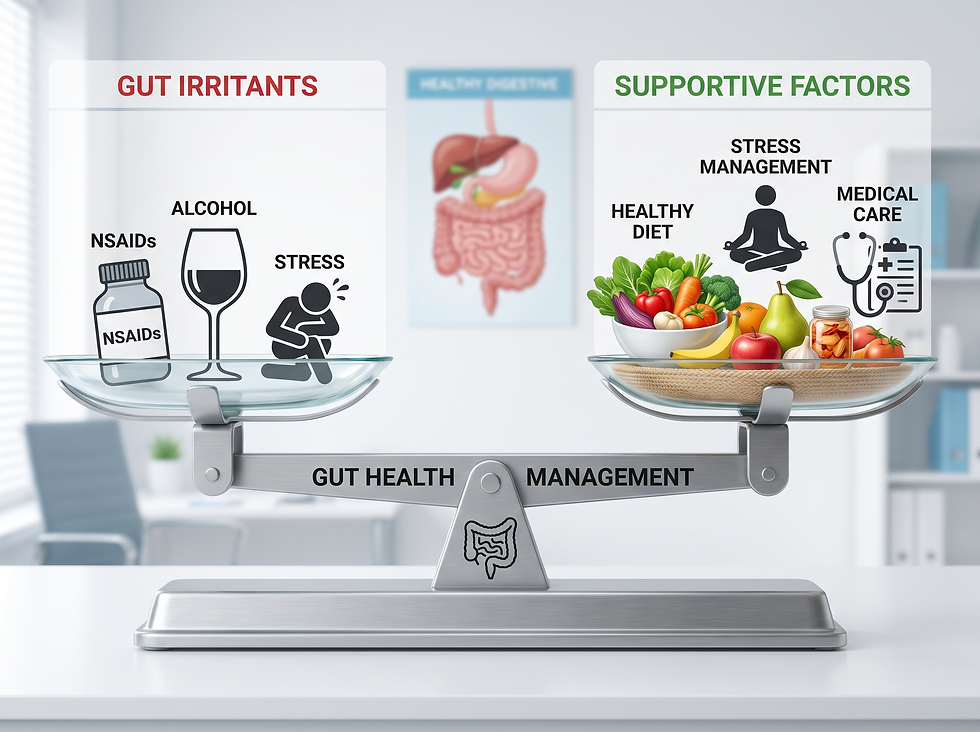
Managing gut health involves addressing the root causes of inflammation and injury. This may include adopting a diet that avoids known triggers, managing stress levels, and reducing the use of irritants like NSAIDs or alcohol. By treating the underlying condition, the intestinal lining is given the opportunity to repair and replenish its protective barrier, leading to a reduction in gastrointestinal symptoms and an improvement in overall well-being.
Conclusion
Leaky gut syndrome remains a compelling theory that bridges the gap between digestive health and systemic inflammation. While science continues to investigate the full extent of its impact, the focus remains on the importance of maintaining a healthy intestinal barrier. By understanding the recognized causes of intestinal permeability and seeking treatment for underlying conditions, individuals can take proactive steps toward better digestive and immune health.
Call to Action
If you are experiencing chronic bloating, abdominal pain, or food sensitivities, it is important to consult a healthcare professional. Rather than self-diagnosing with leaky gut syndrome, work with your doctor to rule out recognized conditions like Celiac disease or IBD, and develop a management plan tailored to your specific digestive needs.
Related reading: Crohn's Disease: Symptoms, Causes, Flares vs. Remission and Treatment — What You Need to Know
Frequently Asked Questions
1. Is leaky gut syndrome a real medical diagnosis?
No, it is currently considered a hypothetical condition and is not a recognized medical diagnosis in standard clinical practice.
2. What is the difference between leaky gut and intestinal permeability?
Intestinal permeability is a scientifically recognized physiological state, while "leaky gut syndrome" is the theory that this state causes various other diseases.
3. What are the most common symptoms associated with a leaky gut?
Symptoms usually stem from the underlying injury and include bloating, gas, indigestion, abdominal pain, and food sensitivities.
4. Can Celiac disease cause a leaky gut?
Yes, Celiac disease is one of the recognized conditions where chronic inflammation leads to increased intestinal permeability.
5. How do NSAIDs like ibuprofen affect the gut lining?
Chronic overuse of non-steroidal anti-inflammatory drugs (NSAIDs) can erode the protective mucous lining of the intestines, leading to permeability.
6. Is there a test for leaky gut?
There is no standard clinical test. Researchers use specialized tests in studies, but these are not typically used for diagnosis by doctors.
7. Can stress cause a leaky gut?
While not proven to cause permeability on its own, chronic stress is recognized as a factor that can cause gut inflammation and discomfort.
8. Does leaky gut cause autoimmune diseases?
The theory suggests it might, but most scientists currently believe that permeability is a symptom of autoimmune diseases rather than the cause.
9. Can alcohol consumption lead to intestinal permeability?
Yes, chronic alcohol abuse is a known factor that can wear down the intestinal lining and lead to hyperpermeability.
10. How is intestinal permeability treated?
Treatment focuses on the underlying cause, such as managing IBD, following a gluten-free diet for Celiac, or reducing the use of gut irritants.
11. Can a leaky gut affect the liver?
Some studies suggest that toxins leaking from the gut can travel to the liver and contribute to liver disease, though it is not necessarily the primary cause.
12. Is leaky gut related to food allergies?
Yes, food allergies can trigger an immune response that may contribute to intestinal injury and permeability.
13. Can the gut lining repair itself?
Yes, the intestinal lining is designed to constantly replenish and repair itself if the source of the injury is removed or managed.
14. Are there metabolic disorders linked to gut health?
Chronic low-grade inflammation, potentially worsened by gut permeability, is being studied as a factor in obesity and diabetes.
15. What should I do if I think I have a leaky gut?
Consult a healthcare provider to investigate recognized gastrointestinal diseases and discuss lifestyle changes to support gut health.
Medical Disclaimer
The information provided in this article is for educational purposes only and is not intended as medical advice, diagnosis, or treatment. Always seek the advice of your physician or other qualified health provider with any questions you may have regarding a medical condition. Never disregard professional medical advice or delay in seeking it because of something you have read here.
Comments