Laser Lipolysis: A Modern Guide to Body Contouring

Updated: 2 days ago
Medically reviewed by Dr. Baraa Alnahhal, MD · Last reviewed: September 2026
TL;DR
Laser lipolysis is a safe, in-office cosmetic procedure that uses focused laser energy to heat and remove fat cells. It is an effective method for contouring various body areas, offering both minimally invasive and noninvasive options. With faster recovery times and lower risks than traditional liposuction, it is a popular choice for targeting stubborn fat deposits.
Quick Answer
Laser lipolysis is a clinical body contouring procedure that utilizes laser energy to melt and eliminate excess fat cells. This treatment is ideal for individuals in good health who wish to target specific areas like the abdomen, thighs, or neck that are resistant to diet and exercise. Results are typically long-lasting and become fully visible within three months, provided a stable weight is maintained.
What is Laser Lipolysis?
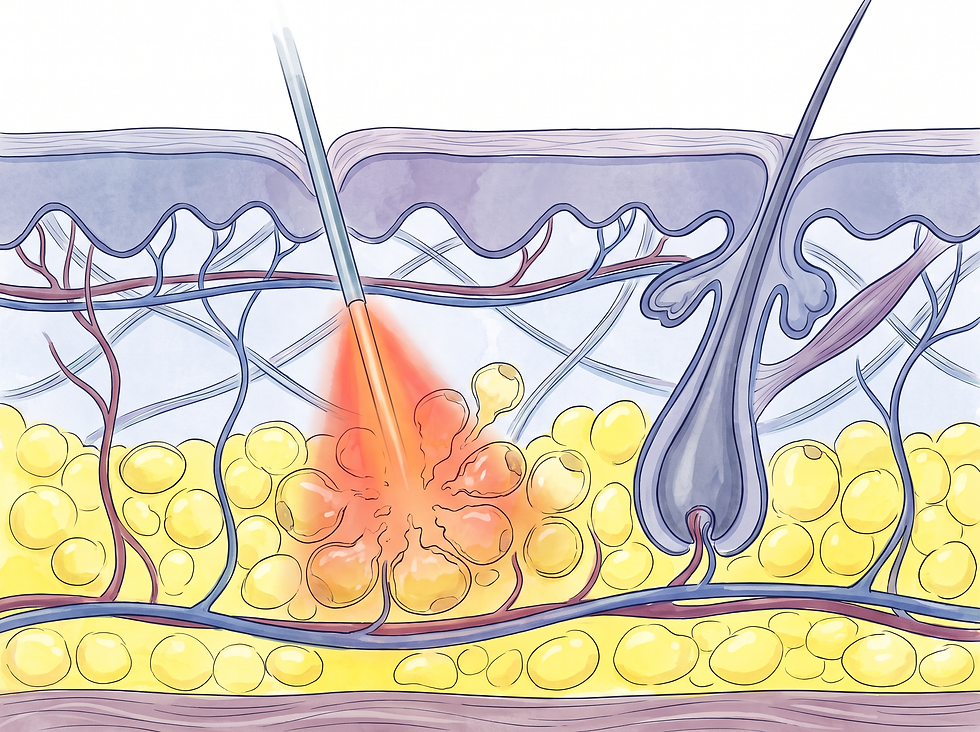
Laser lipolysis, often referred to as laser liposuction or liposculpture, is a cosmetic treatment designed to refine body contours by removing localized fat. The procedure works by delivering laser energy to fat cells, which causes them to liquefy. Depending on the technique used, the melted fat is either suctioned out through a small tube or naturally processed and eliminated by the body over time.
Types of Laser Lipolysis
Patients can choose between two primary methods of laser lipolysis based on their goals and the recommendations of their surgeon. Minimally invasive techniques involve a tiny incision for direct laser application, while noninvasive methods apply the laser energy from above the skin's surface without any cuts.
Feature | Minimally Invasive | Noninvasive |
Incision | Tiny incision required. | No incision required. |
Anesthesia | Local anesthesia used. | No anesthesia needed. |
Duration | Approximately 1 hour. | Approximately 25 minutes. |
Recovery | A few days of downtime. | No recovery time needed. |
Common Treatment Areas
Laser lipolysis is highly versatile and can be applied to many different parts of the body. It is particularly effective for areas where fat tends to accumulate and persist despite regular physical activity.
Body Area | Description |
Midsection | Targets the abdomen and obliques (love handles). |
Lower Body | Refines the hips, buttocks, thighs, and calves. |
Upper Body | Addresses excess fat in the back, neck, and upper arms. |
The Procedure and Recovery
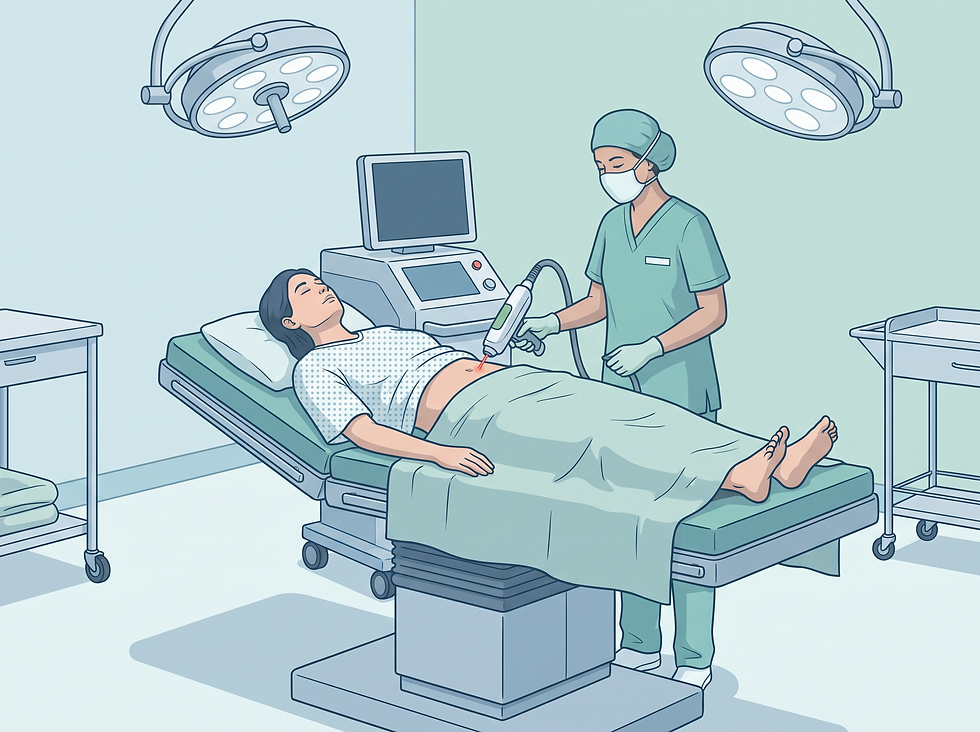
During a minimally invasive session, a surgeon makes a small cut to insert the laser, which melts the fat before it is suctioned out. In contrast, noninvasive treatments use an applicator that alternates between warm and cool sensations to disrupt fat cells. While noninvasive procedures allow for an immediate return to daily activities, minimally invasive options may require wearing compression garments for a short period to support healing.
Safety and Results
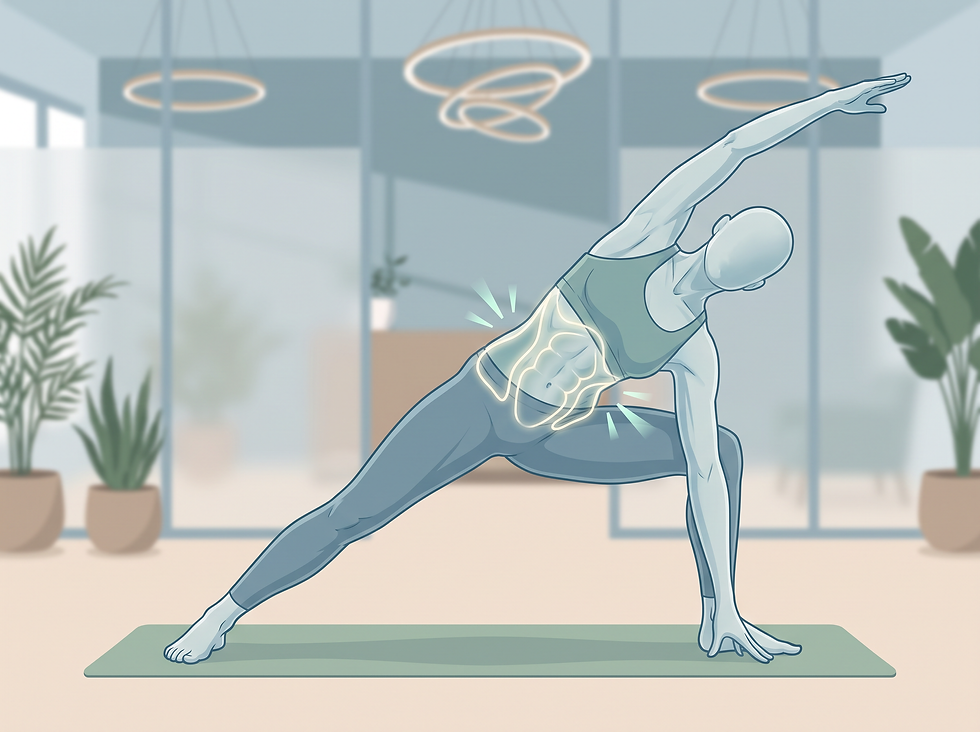
Laser lipolysis is considered a safe procedure with minimal risks when performed on suitable candidates. Ideal patients are non-smokers in good overall health with realistic expectations. While the results are permanent in terms of the fat cells removed, the remaining fat cells in your adipose tissue can still expand, so maintaining a healthy lifestyle is essential to preserve the slimming and tightening effects, as weight gain can diminish the procedural outcomes.
Conclusion
Laser lipolysis offers a modern and effective alternative to traditional fat reduction methods. By providing both surgical and non-surgical options, it allows patients to achieve their body contouring goals with less risk and faster recovery. As with any cosmetic procedure, consulting with a qualified professional is the best way to determine which approach will yield the most satisfying results for your specific needs. If you are curious about the opposite approach, where fat is moved rather than removed, read our guide to fat transfer.
Next Steps
If you are considering laser lipolysis, start by scheduling a consultation with a certified plastic surgeon to discuss your goals and medical history. Ask about the differences between minimally invasive and noninvasive options to see which fits your lifestyle best. Ensure you follow all pre-procedure instructions, such as adjusting medications or quitting smoking, to ensure a safe and successful treatment experience.
Frequently Asked Questions
How long does it take to see results?
Most patients begin to see noticeable changes within three months as the body processes the treated cells.
Is laser lipolysis the same as weight loss?
No, it is a body contouring procedure for specific fat deposits, not a treatment for obesity.
Can the fat come back?
The removed fat cells are gone permanently, but remaining cells can still expand if you gain weight.
Is the procedure painful?
Minimally invasive lipo uses local anesthesia to prevent pain; noninvasive lipo involves only temperature sensations.
How many sessions will I need?
On average, most patients achieve their desired results in one to two sessions per area.
What is the main advantage over traditional liposuction?
It typically involves less downtime, reduced bleeding, and a lower risk of complications.
Are there any scars?
Minimally invasive procedures use tiny incisions that result in minimal scarring; noninvasive procedures leave no scars.
Who should avoid this procedure?
It is not recommended for those with obesity, loose skin, or certain chronic medical conditions.
Can I have this done if I am pregnant?
No, laser lipolysis is not appropriate for those who are pregnant or trying to conceive.
When can I exercise again?
You can usually return to strenuous activity within several weeks, depending on the type of procedure.
Do I need to wear a compression garment?
It is often recommended after minimally invasive procedures to reduce swelling and improve results.
What are the common side effects?
Temporary redness, swelling, and tenderness are common; bruising may occur with minimally invasive types.
Is the procedure done in a hospital?
No, it is typically an in-office procedure that does not require an overnight stay.
How long does a single session take?
Sessions range from 25 minutes for noninvasive to about an hour for minimally invasive treatments.
Does it help with loose skin?
It provides some tightening effects, but it is not a primary treatment for significant skin laxity.
Medical Disclaimer: This content is for informational purposes only and does not constitute medical advice. Always seek the advice of your physician or other qualified health provider with any questions you may have regarding a medical condition or treatment.
Comments