Knee Gel Injections: Restoring Lubrication and Reducing Arthritis Pain

Updated: 3 hours ago
Medically reviewed by Dr. Baraa Alnahhal, MD · Last reviewed: September 2026
TL;DR
Knee gel injections, medically known as viscosupplementation, are a second-line treatment for knee arthritis. By injecting hyaluronic acid, a natural lubricant, directly into the joint, this procedure replaces lost synovial fluid to cushion and protect the knee. It offers a low-risk alternative to surgery and cortisone shots, providing relief that can last up to six months for patients with mild to moderate osteoarthritis.
Quick Answer
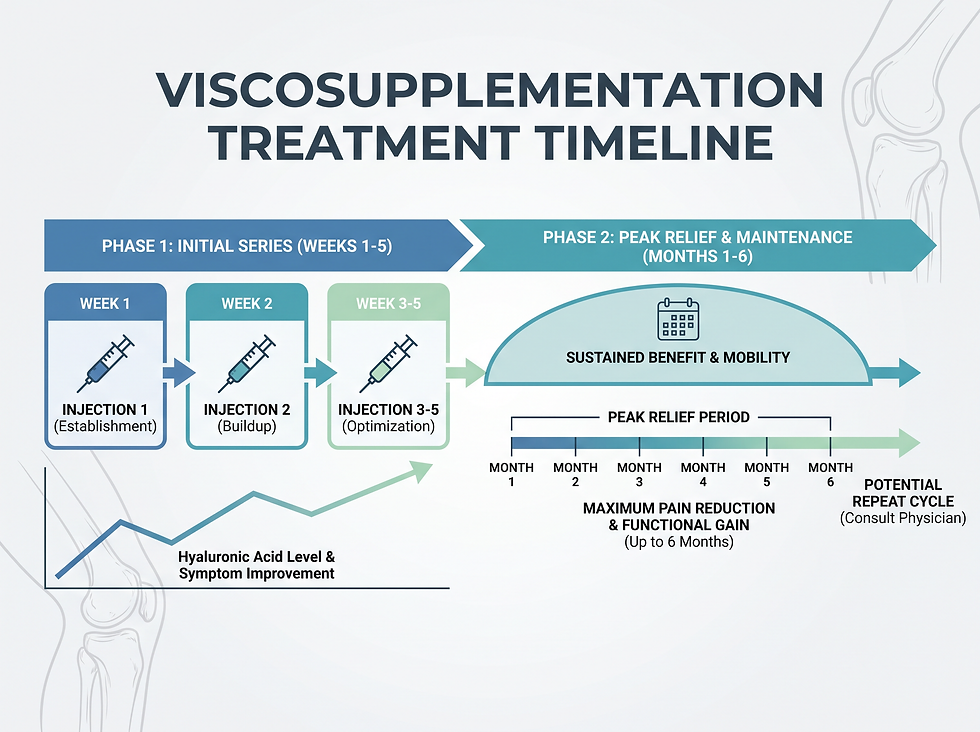
Knee gel injections involve the delivery of hyaluronic acid into the knee joint to replace lost lubrication caused by arthritis. Performed in a healthcare provider's office, the procedure uses imaging guidance to ensure precise placement. Most patients receive a series of weekly injections over three to five weeks. While it may take several weeks to feel the full effects, the resulting pain relief typically lasts about six months, helping to delay the need for more invasive surgical interventions.
Overview of Knee Gel Injections
Knee gel injections are a specialized treatment designed to address the loss of natural lubrication in joints affected by arthritis. The primary component of these injections is hyaluronic acid, a viscous, gel-like substance that occurs naturally in healthy synovial fluid. In a healthy knee, this fluid acts as both a lubricant and a shock absorber, allowing the joint to move smoothly without pain.
When osteoarthritis develops, the concentration of hyaluronic acid in the knee decreases, leading to increased friction and pain during movement. Viscosupplementation aims to restore this lost balance by supplementing the joint's natural fluid. While currently FDA-approved specifically for the knee, this treatment is a cornerstone of non-surgical arthritis management.
Comparing Arthritis Treatment Options
Managing knee arthritis often requires a tiered approach, starting with conservative lifestyle changes before moving to more direct medical interventions. Healthcare providers typically categorize these treatments into first-line and second-line therapies.
Treatment Level | Common Therapeutic Approaches |
First-Line Therapy | Physical therapy, low-impact exercise, weight loss, NSAIDs, and knee bracing. |
Second-Line Therapy | Cortisone shots, platelet-rich plasma (PRP), and knee gel injections. |
Surgical Options | Partial or total knee replacement (typically reserved for advanced cases). |
The Viscosupplementation Procedure
The process of receiving knee gel injections is straightforward and can be completed during a routine office visit. Precision is key to the success of the treatment, which is why many providers use imaging technology to guide the needle.
The procedure begins with the sterilization of the injection site. Using X-ray or ultrasound guidance, the provider identifies the exact location within the knee joint. A local anesthetic is often applied to numb the area before the hyaluronic acid is slowly injected. In some cases, the provider may first perform arthrocentesis, a process of drawing out excess fluid from the joint, to make room for the new gel and reduce existing pressure.

Benefits and Advantages
Knee gel injections offer several distinct advantages, particularly for patients who may not be ideal candidates for other types of injections. Unlike cortisone, which can cause spikes in blood pressure or blood sugar, hyaluronic acid is a natural substance with a very low risk of systemic side effects.
Feature | Cortisone Injections | Knee Gel Injections |
Onset of Relief | Rapid (days) | Gradual (weeks) |
Duration of Relief | 2–3 months | ~6 months |
Repeated Use | Limited (risk of tissue damage) | Safe for long-term, repeated use |
Systemic Impact | May affect blood sugar/pressure | Minimal to no systemic impact |
Recovery and Expectations
After the procedure, patients can typically return home immediately. It is common to experience mild localized pain or swelling, which can be managed with ice packs. For the first 48 hours following the injection, it is recommended to avoid heavy weight-bearing activities or strenuous exercise, although light walking is encouraged to help distribute the gel within the joint.
The full benefits of viscosupplementation are usually not immediate. Most treatment plans involve a series of weekly shots for nearly a month. Once the relief kicks in, it tends to be more durable than other injection types, often lasting half a year. As arthritis progresses to advanced stages, the effectiveness of gel shots may decrease, at which point surgical consultations may become necessary.
Risks and Side Effects
While knee gel injections are considered very safe, they are not entirely without risk. The most common issues are minor and temporary, such as redness or a dull ache at the site of the needle entry. A very small percentage of patients (approximately 1%) may experience a more significant reaction known as an injection flare.

Conclusion
Knee gel injections provide a valuable bridge for patients seeking to manage arthritis pain without immediately resorting to surgery. By restoring the joint's natural lubrication, viscosupplementation can significantly improve mobility and quality of life. For many, this low-risk treatment offers a reliable path to staying active and comfortable while living with osteoarthritis.
Next Steps
If first-line treatments like physical therapy are no longer providing sufficient relief for your knee pain, consult with an orthopedic specialist about viscosupplementation. They can help determine if you are a good candidate based on the stage of your arthritis and your overall health goals. Preparing for a series of weekly visits will ensure you get the most out of this long-lasting treatment option.
Frequently Asked Questions
1. How long does it take for knee gel injections to work?
It can take several weeks and multiple injections before you begin to feel significant pain relief.
2. Is the injection painful?
Most providers use a local anesthetic to numb the area, so you should only feel minor pressure during the procedure.
3. How many injections will I need?
A typical course of treatment involves one injection per week for three to five consecutive weeks.
4. Can I drive home after the procedure?
Yes, most patients are able to drive themselves home immediately following the injection.
5. Are gel shots better than cortisone?
Gel shots last longer and are safer for repeated use, but cortisone provides faster initial relief.
6. What is the "gel" actually made of?
The gel is made of hyaluronic acid, a substance that occurs naturally in your body's joints and skin.
7. Does insurance cover viscosupplementation?
Most insurance plans cover the procedure for knee osteoarthritis, but you should verify with your provider first.
8. Can I get these injections in my hip or shoulder?
While some doctors perform them "off-label," the FDA has currently only approved gel injections for the knee.
9. What should I avoid after the injection?
Avoid strenuous activities, heavy lifting, or long periods of standing for the first 48 hours.
10. How often can I repeat the treatment?
Most patients can receive a new series of injections every six months as needed.
11. What is an "injection flare"?
A rare reaction where the joint swells significantly; it can be treated by having a doctor drain the excess fluid.
12. Will this cure my arthritis?
No, there is no cure for arthritis, but gel injections can manage pain and potentially slow joint degradation.
13. Is there an age limit for this treatment?
There is no specific age limit, provided the patient is healthy enough for the office procedure.
14. What if the injections don't work for me?
If gel shots provide no relief, your specialist may discuss other options like PRP or surgical consultation.
15. Can I exercise while receiving the weekly shots?
Yes, light exercise is encouraged, but you should avoid high-impact activities immediately after each shot.
References
Medical Disclaimer: This content is for informational purposes only and does not constitute medical advice. Always seek the advice of your physician or other qualified health provider with any questions you may have regarding a medical condition or surgical procedure.
Comments