Ketogenic Diet for Epilepsy: How High-Fat Nutrition Manages Seizures

Updated: 2 days ago
Medically reviewed by Dr. Baraa Alnahhal, MD · Last reviewed: September 2026
TL;DR
The ketogenic diet is a specialized, high-fat, low-carbohydrate medical nutrition therapy used to manage treatment-resistant epilepsy. By shifting the brain's energy source from glucose to ketones, a state known as ketosis, this diet can reduce seizure frequency by more than half in many patients. While highly effective, particularly for children, it requires strict medical supervision and regular monitoring to manage potential side effects and ensure long-term nutritional health.
Quick Answer
The ketogenic diet for epilepsy is a medically supervised meal plan that is high in fats and very low in carbohydrates. It is primarily used when antiseizure medications are not providing adequate results. The diet works by inducing ketosis, a metabolic state where the body burns fat for energy instead of glucose, which helps stabilize brain activity and reduce seizures. Most patients see results within three to four months, and some may even become completely seizure-free while following the plan under professional guidance.
The Role of the Ketogenic Diet in Epilepsy
For individuals whose seizures are not well-controlled by traditional medications, the ketogenic diet offers a powerful alternative. This therapeutic approach focuses on a specific ratio of fats to carbohydrates and proteins. By significantly limiting carbohydrate intake, the body is forced into a state called ketosis. During ketosis, the liver converts fat into ketones, which then serve as the primary energy source for the brain.
While the exact biological mechanism is still being studied, researchers believe that this metabolic shift alters the energy available to neurons, preventing them from firing uncontrollably and triggering a seizure. Additionally, changes in the gut microbiome and neurotransmitter regulation may play a role in stabilizing the brain's electrical activity.
Types of Dietary Therapy
There are several variations of the ketogenic diet used in clinical settings, allowing healthcare providers to tailor the treatment to the patient's needs and lifestyle. The choice of diet often depends on the age of the patient and the severity of their condition.
Diet Type | Composition | Level of Restriction |
Classic Ketogenic Diet (CKD) | Very high fat, low carb, moderate protein | Extremely structured; strict meal planning required. |
Modified Atkins Diet (MAD) | High fat, low carb, flexible protein | Less restrictive; requires monitoring carb intake. |
Low Glycemic Index Diet | Moderate fat and protein, slow-absorbing carbs | Focuses on carbs that don't spike blood sugar. |
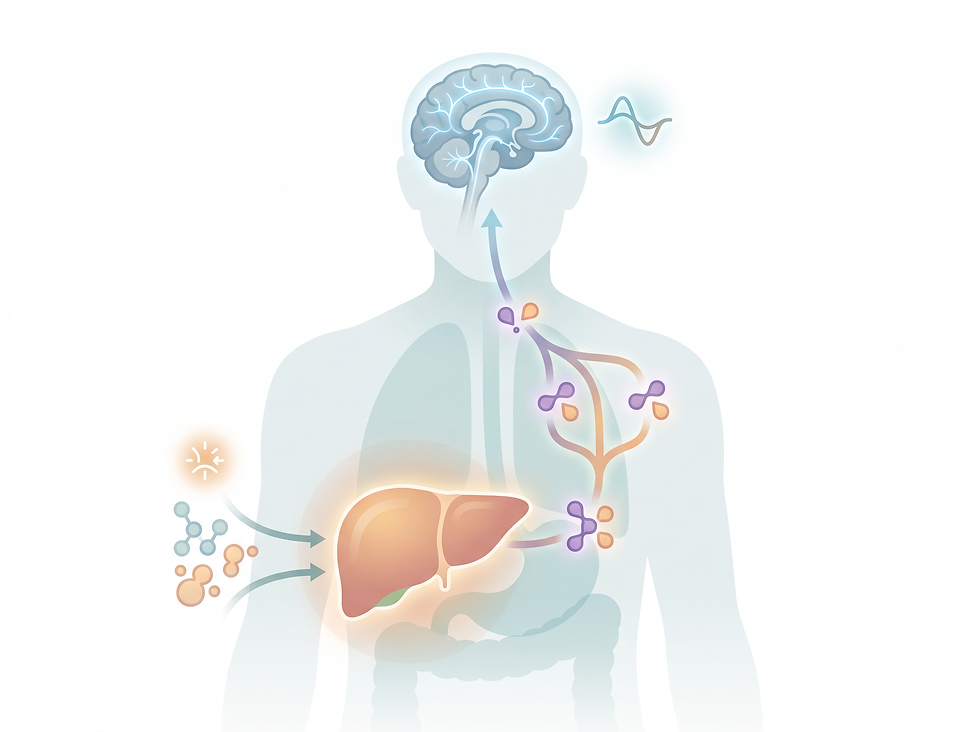
Figure 1: The metabolic transition to ketosis.
Starting and Monitoring the Diet
Beginning a medical ketogenic diet is a significant undertaking that requires a thorough evaluation. A healthcare provider will typically perform a physical exam and may order blood tests, urine tests, or imaging to ensure the diet is safe. In many cases, especially for children, the diet begins with a short hospital stay to monitor blood sugar levels and hydration.
Success is often measured over a trial period of three to four months. During this time, patients or caregivers are encouraged to keep a seizure diary to track changes in activity. Regular follow-up appointments every three months are essential to monitor for side effects and adjust the meal plan as needed.
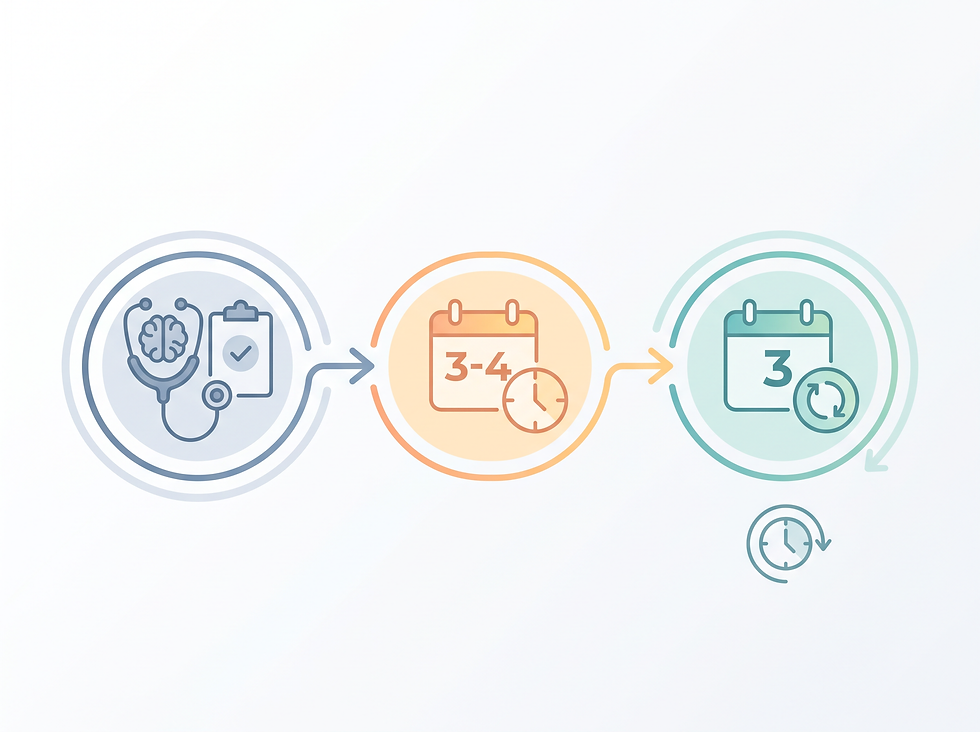
Figure 2: The clinical pathway for dietary therapy.
Risks and Side Effects
While the ketogenic diet is a highly effective treatment, it is not without potential risks. Most side effects are manageable with medical guidance, but they must be monitored closely to prevent long-term complications.
Side Effect Category | Common Symptoms | Long-Term Risks |
Digestive | Abdominal pain, constipation, diarrhea, vomiting | Kidney stones |
Metabolic | Low blood sugar, dehydration, lethargy | Metabolic acidosis |
Growth & Bone Health | Weight loss | Low bone density, slower growth in children |

Figure 3: Components of a therapeutic ketogenic meal.
Frequently Asked Questions
1. How does the keto diet help with seizures?
It changes the brain's energy source from glucose to fat-derived ketones, which helps stabilize electrical signals in the brain.
2. Is this the same as the popular weight-loss keto diet?
While similar in principle, the medical keto diet for epilepsy is much more structured and requires strict ratios and medical supervision.
3. Who is a good candidate for this diet?
It is typically recommended for people, especially children, whose seizures are not managed by antiseizure medications alone.
4. How soon will I see results?
Most patients start seeing a reduction in seizures within the first three to four months of following the diet.
5. Can adults follow the keto diet for epilepsy?
Yes, though it is often harder for adults to stick to the restrictive food choices compared to children.
6. What are the most common short-term side effects?
Common issues include constipation, abdominal pain, dehydration, and lethargy.
7. Are there long-term risks to the diet?
Long-term risks can include kidney stones, high cholesterol, and decreased bone density.
8. Do I have to stay on the diet forever?
Not necessarily. If seizures are well-managed for a few years, a healthcare provider may suggest gradually stopping the diet.
9. Can I still take my seizure medications?
Yes, the diet is usually used alongside medications, though your provider may adjust them over time.
10. Is a hospital stay required to start the diet?
Some children may need to be admitted to the hospital initially to monitor their blood sugar and hydration levels.
11. What is the Modified Atkins Diet (MAD)?
It is a less restrictive version of the keto diet that still focuses on high fats and low carbs but allows more flexibility with protein.
12. What can I eat on the keto diet for epilepsy?
The diet focuses on high-fat foods like oils, butter, and cream, with very limited amounts of fruits and vegetables.
13. What happens if I "cheat" on the diet?
Even a small amount of extra carbohydrates can knock the body out of ketosis and potentially trigger a seizure.
14. How successful is the diet?
Research shows it can reduce seizures by more than half in many patients, with some becoming seizure-free.
15. Should I consult a dietitian?
Yes, working with a specialized dietitian is crucial for planning meals and ensuring nutritional needs are met.
Conclusion
The ketogenic diet stands as a vital therapeutic tool for managing treatment-resistant epilepsy. By leveraging the body's natural metabolic processes, it provides a pathway to seizure reduction for many who have not found relief through traditional pharmacology. While the restrictive nature of the diet presents challenges, the potential for improved quality of life and better seizure control makes it a highly valuable medical intervention under the guidance of a dedicated care team.
Next Steps
If you are considering the ketogenic diet for yourself or your child, the first step is to discuss it with your neurologist. They can determine if you meet the criteria for dietary therapy and refer you to a specialized center with the necessary expertise. Keeping a detailed seizure diary and consulting with a medical dietitian will be essential components of your preparation.
Related reading: Epilepsy Guide: Symptoms, Causes, Diagnosis, and Treatment
Medical Disclaimer: This content is for informational purposes only and does not constitute medical advice. Always seek the advice of a qualified healthcare provider with any questions regarding a medical condition or treatment.
Comments