Intracytoplasmic Sperm Injection (ICSI): A Targeted Approach to Fertility

Updated: 1 hour ago
Medically reviewed by Dr. Baraa Alnahhal, MD · Last reviewed: September 2026
TL;DR
Intracytoplasmic Sperm Injection (ICSI) is a specialized form of in vitro fertilization (IVF) where a single sperm is injected directly into an egg. Primarily used to overcome male infertility, this precision-based laboratory technique significantly increases the chances of successful fertilization for couples facing challenges with sperm count, quality, or previous IVF attempts.
Quick Answer
Intracytoplasmic Sperm Injection (ICSI) is a specialized form of IVF where a single healthy sperm is injected directly into a mature egg. This precision-based technique is highly effective for overcoming male factor infertility, such as low sperm count or poor motility. With a fertilization success rate between 50% and 80%, ICSI bypasses natural barriers to aid conception. Resulting embryos are monitored in a laboratory before being transferred to the uterus to establish a successful pregnancy.
The Role of ICSI in Modern Fertility Treatment
For many individuals and couples, the path to parenthood involves overcoming complex biological hurdles. Intracytoplasmic Sperm Injection has emerged as a cornerstone of assisted reproductive technology, offering a highly controlled environment for fertilization to occur. By bypassing the natural barriers that sperm must normally penetrate, ICSI ensures that even a single viable sperm can lead to a successful pregnancy.
This procedure is most commonly recommended when male infertility issues are present, such as a low sperm count or blockages in the reproductive system. However, it is also a valuable tool for those using frozen eggs or sperm, as well as for older patients where the outer layer of the egg may be more difficult for sperm to penetrate naturally.

Comparing ICSI and Traditional IVF
While both ICSI and traditional IVF are forms of assisted reproduction, the laboratory phase differs significantly. Understanding these differences can help patients make informed decisions alongside their healthcare providers.
Fertilization method: In traditional IVF, multiple sperm are placed near the egg and penetration occurs naturally. In ICSI, a single sperm is manually injected directly into the egg.
Primary indication: Traditional IVF suits general infertility, tubal factors, or unexplained causes. ICSI suits male factor infertility, low sperm count, or previous IVF failure.
Laboratory control: Traditional IVF involves less direct intervention, and fertilization is left to chance. ICSI is high precision, and the embryologist selects the best-quality sperm.
The Step-by-Step ICSI Process
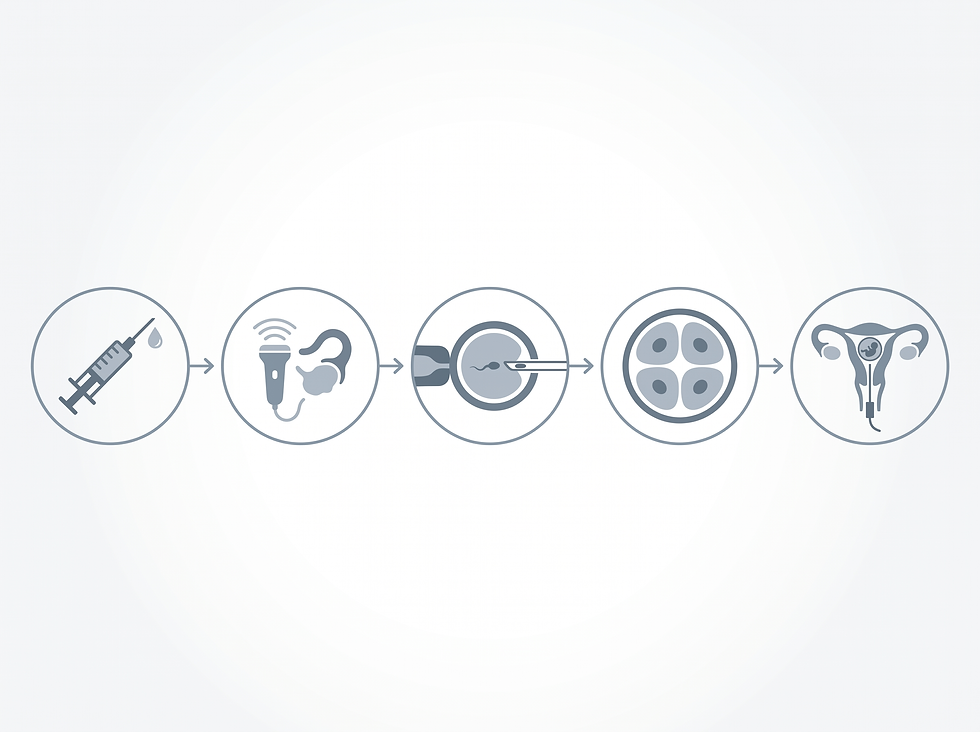
The journey through ICSI involves several critical stages, starting with the preparation of both the egg and sperm providers and ending with the hopeful establishment of a pregnancy.
Ovarian stimulation (8–14 days): Hormonal injections to encourage multiple eggs to mature simultaneously.
Egg and sperm retrieval (day 0): Ultrasound-guided retrieval of eggs and collection of a sperm sample.
Injection, ICSI (day 0): A single sperm is injected into each mature egg in the laboratory.
Embryo monitoring (days 1–6): Observation of fertilization and cell division into a blastocyst.
Embryo transfer (day 5 or 6): Placement of the healthy embryo into the uterus via a thin catheter.
Benefits, Risks, and Considerations
The primary benefit of ICSI is its ability to facilitate fertilization in cases where it might otherwise be impossible. It provides a viable path for individuals with severe male factor infertility to become biological parents. However, like any medical procedure, there are risks to consider. These include potential damage to the eggs during the injection process or the possibility that fertilization does not occur despite the direct injection.
There is also a slightly higher risk of certain congenital conditions in children conceived via ICSI compared to those conceived naturally. While the overall risk remains low, it is important to discuss these factors with a reproductive specialist. Many experts believe these risks may be related to the underlying causes of infertility rather than the procedure itself.

Conclusion
Intracytoplasmic Sperm Injection represents a significant advancement in the field of reproductive medicine, offering a precision-based solution for those facing the most challenging fertility issues. By combining expert laboratory techniques with personalized medical care, ICSI continues to turn the dream of parenthood into a reality for thousands of families each year.
Next Steps
If you are considering ICSI, your first step should be a comprehensive consultation with a reproductive endocrinologist. They will perform a thorough evaluation of both partners to determine if ICSI is the most appropriate path for your specific situation. Be prepared to discuss your medical history, previous fertility attempts, and any concerns you may have about the process or its outcomes.
The information provided in this article is for educational purposes only and should not be considered professional medical advice. Always seek the advice of a qualified healthcare provider with any questions regarding a medical condition or treatment plan.
Frequently Asked Questions (FAQ)
What is intracytoplasmic sperm injection (ICSI)?
It is a specialized form of IVF where a single sperm is injected directly into a mature egg in a laboratory.
How is ICSI different from traditional IVF?
In traditional IVF, many sperm are placed near the egg; in ICSI, one sperm is manually injected into the egg.
Who is the best candidate for ICSI?
It is primarily recommended for those facing male infertility issues, such as low sperm count or poor motility.
What is the fertilization success rate for ICSI?
Approximately 50% to 80% of ICSI attempts result in successful fertilization.
Does ICSI guarantee a pregnancy?
While it aids fertilization, it does not guarantee a pregnancy; successful implantation in the uterus must still occur.
How are the eggs collected for the procedure?
Eggs are retrieved using a thin, ultrasound-guided needle during a minor procedure performed under mild anesthesia.
How is the sperm collected?
Sperm is typically collected through a sample provided on the same day as the egg retrieval.
Can frozen eggs or sperm be used with ICSI?
Yes, ICSI is often the preferred method when using previously cryopreserved eggs or sperm.
What happens after the injection takes place?
The fertilized egg is monitored for 5 to 6 days as it develops into a blastocyst before being transferred to the uterus.
Is the embryo transfer painful?
No, the transfer is a simple procedure where a thin catheter is used to place the embryo into the uterus.
How long should I wait to take a pregnancy test?
Healthcare providers typically recommend waiting at least two weeks after the embryo transfer.
Are there risks to the eggs during ICSI?
There is a small risk that some eggs may be damaged during the needle penetration process.
Does ICSI increase the risk of birth defects?
There is a slightly higher reported risk for certain conditions, which may be linked to the underlying infertility.
What are the signs of a complication after treatment?
You should call your doctor if you experience signs of infection, miscarriage, or severe pain.
How do I start the ICSI process?
Begin by consulting a reproductive endocrinologist for a complete fertility evaluation and treatment plan.
References
Health information, not medical advice. This article is for general education and is not a substitute for professional diagnosis or treatment. Always consult a qualified healthcare provider about your own health, and seek emergency care for urgent symptoms.
Comments