Home Nebulizer: Essential Guide to Breathing Treatments

Updated: 2 days ago
Medically reviewed by Dr. Baraa Alnahhal, MD · Last reviewed: September 2026
TL;DR
A home nebulizer is a medical device that converts liquid medication into a fine mist you inhale directly into the lungs. It is mainly used for respiratory conditions such as asthma, COPD, and bronchitis. Delivering medicine straight to the airways helps relieve inflammation and congestion. Correct setup, regular cleaning, and following your healthcare provider's instructions are essential for safe and effective use.
Quick Answer
A home nebulizer turns liquid medicine into a breathable mist so it reaches the lungs directly. It is commonly used for asthma, COPD, and other respiratory infections. You breathe through a mask or mouthpiece for 5 to 15 minutes per treatment. A prescription for both the device and the medication, plus regular maintenance, is needed to keep treatment safe and effective at home.
Understanding the Home Nebulizer
A home nebulizer is a key tool for people managing chronic or acute breathing conditions. The machine transforms liquid medication into a fine aerosol mist that you inhale through a mask or mouthpiece. Because the medicine reaches the airways and lungs efficiently, it can bring rapid relief from wheezing, shortness of breath, and chest tightness.
Conditions commonly treated include asthma, chronic obstructive pulmonary disease (COPD), bronchitis, and cystic fibrosis. Nebulizer medications typically include bronchodilators to open the airways and corticosteroids to reduce inflammation. In some cases, healthcare providers may also prescribe antibiotics or mucolytics, which thin mucus, through the device.
Types of Nebulizer Machines
The right nebulizer depends on the medication prescribed and your lifestyle. Three main technologies are used today:
Type | How it works | Common use case |
Jet nebulizer | Uses compressed air to create a mist from liquid medicine | The most common and widely available type for home use |
Ultrasonic nebulizer | Uses high-frequency vibrations to generate an aerosol | Often quieter, but may not be compatible with all medications |
Mesh nebulizer | Passes liquid through a vibrating mesh to create fine droplets | Highly portable and efficient, ideal for travel or active users |
What to Look for When Choosing a Machine
Feature | Why it matters |
Ease of use | Critical for children or elderly users who may struggle with complex setups |
Noise level | Important if you need to use the device at night or in quiet environments |
Portability | Essential if you need treatments while away from home |
Cost | A factor for long-term management, as some specialized machines can be expensive |
Operating Your Nebulizer Safely
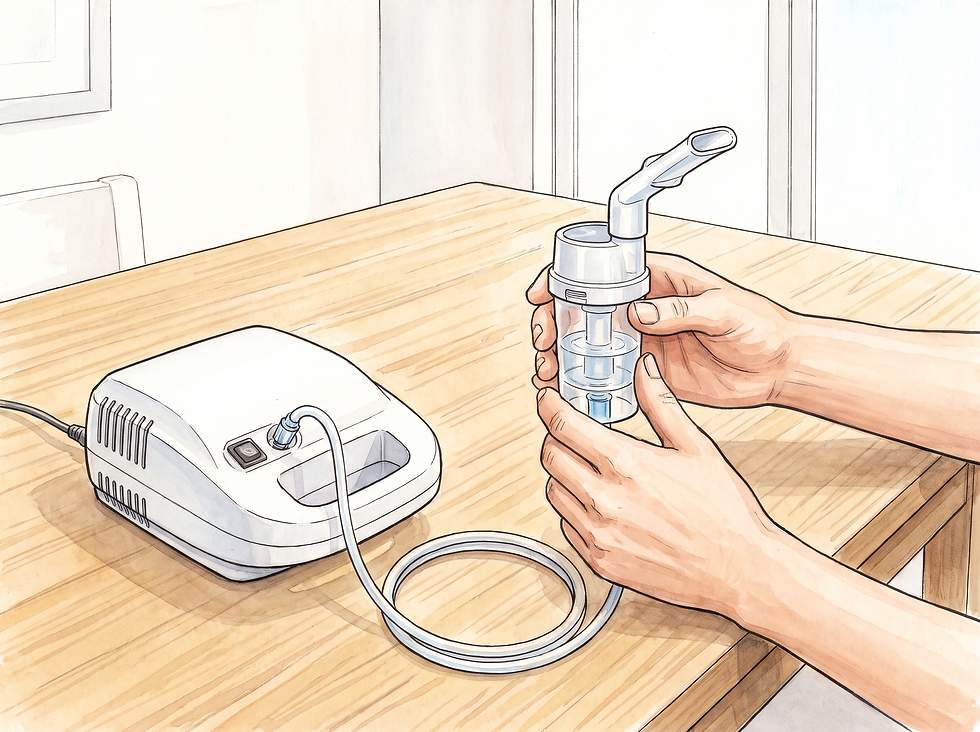
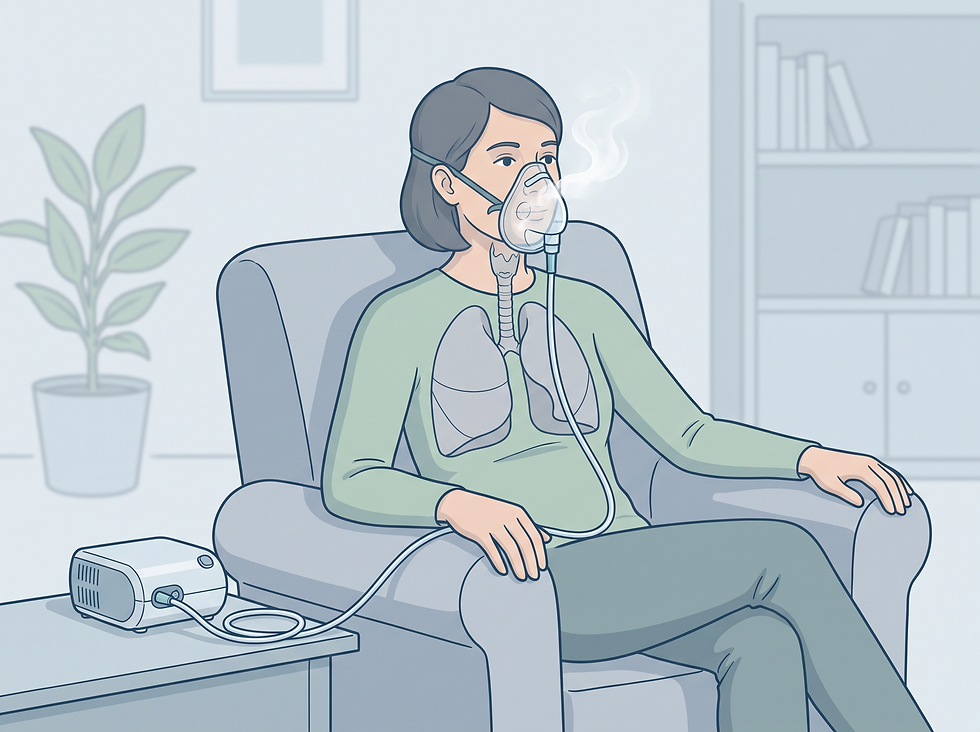
Using a nebulizer correctly makes sure the full dose of medicine reaches your lungs. Start with hygiene: wash your hands thoroughly before handling any equipment. Sit in a comfortable, upright position so your lungs can expand fully during treatment.
Pour the medication into the nebulizer cup and attach the mask or mouthpiece securely. Turn the machine on and breathe normally through your mouth. Taking an occasional slow, deep breath and holding it for a few seconds can help the medicine settle deeper into the airways. A typical treatment lasts 5 to 15 minutes, or until all the medication in the cup has turned to mist.
Maintenance and Care
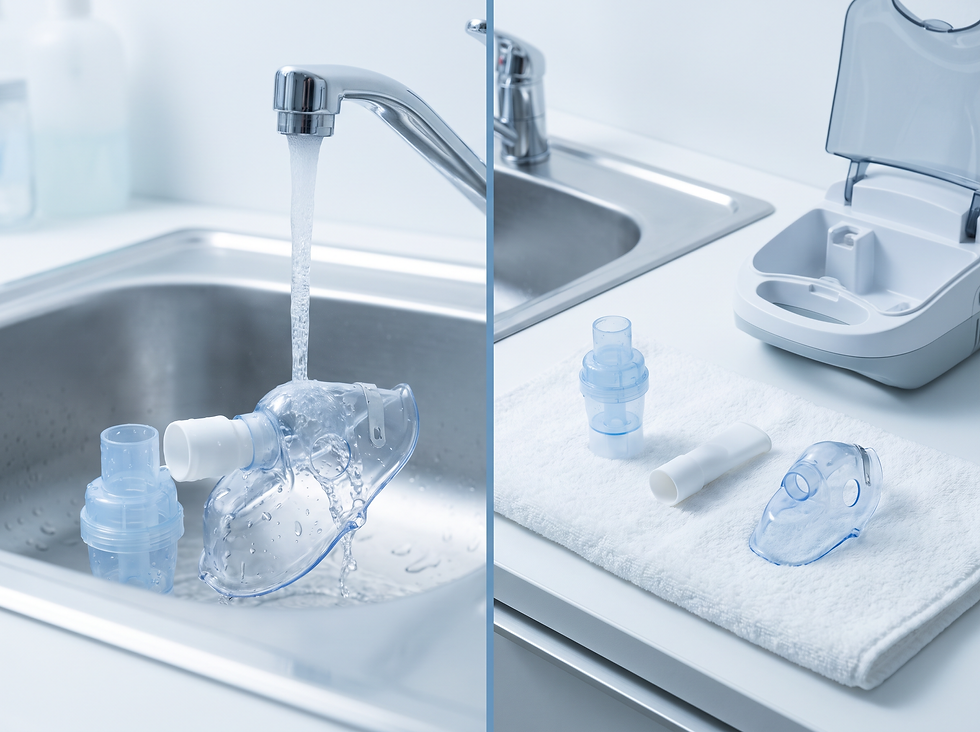
Regular cleaning is the most important part of owning a home nebulizer. Because the device handles moisture and medication, it can become a breeding ground for bacteria if it is not maintained. After every use, clean the medicine cup and the mouthpiece or mask following the manufacturer's instructions. This usually means rinsing with warm water and letting the parts air dry in a clean area.
Conclusion
A home nebulizer is a valuable asset for managing respiratory health, offering a reliable way to deliver important medications directly to the lungs. The technology is simple, but its effectiveness depends on good technique and careful hygiene. By working closely with your healthcare providers and keeping a consistent maintenance routine, you can manage your breathing condition and improve your quality of life from the comfort of home.
Next Steps
Consult your doctor: make sure you have the correct prescription and understand your specific treatment plan.
Learn your device: read the manufacturer's manual for the setup and cleaning requirements of your model.
Establish a routine: set a consistent schedule for treatments and maintenance.
Check your supplies: keep enough medication and replacement parts, such as filters and tubing, on hand.
Frequently Asked Questions
What is a nebulizer? It is a machine that turns liquid medicine into a mist that you breathe directly into your lungs.
What conditions does it treat? It treats asthma, COPD, bronchitis, pneumonia, and other respiratory infections.
Do I need a prescription? Yes. Both the nebulizer machine and the medication typically require a prescription from a healthcare provider.
How long does a treatment take? Most sessions last between 5 and 15 minutes.
What are the main types of nebulizers? The three main types are jet, ultrasonic, and mesh nebulizers.
Which type is most common? The jet nebulizer is the most common type used in home settings.
How do I breathe during treatment? Sit up straight and breathe normally through your mouth.
Should I hold my breath? Holding a deep breath for 2 to 3 seconds every few breaths can help the medicine settle in your airways.
Can children use nebulizers? Yes. They are especially helpful for children who have difficulty using standard inhalers.
Are nebulizers noisy? Some types, particularly jet nebulizers, can be noisy, while ultrasonic and mesh types are usually quieter.
How often should I clean it? Clean the medicine cup and the mouthpiece or mask after every single use.
What happens if I feel dizzy? Slow your breathing or take a short rest before continuing.
Can I use multiple medicines at once? Consult your pharmacist or doctor before mixing any medications in the nebulizer.
Is it better than an inhaler? Neither is strictly better. Nebulizers are often preferred by people who cannot coordinate inhaler use, or during severe flare-ups.
When should I call my doctor? Call if your symptoms do not improve after treatment, or if the medication makes you feel jittery or shaky.
Medical Disclaimer: This information is for educational purposes only and is not intended as medical advice. Always consult a qualified healthcare professional before starting any new treatment or changing your respiratory care routine.
Comments