Hepatitis in Children: Symptoms, Causes, and Management

Updated: 54 minutes ago
Medically reviewed by Dr. Baraa Alnahhal, MD · Last reviewed: September 2026
TL;DR
Hepatitis, or liver inflammation, can affect infants and children, primarily due to viral infections. While many cases are mild or have no symptoms, others can lead to chronic liver damage if not managed correctly. Transmission often occurs during pregnancy or delivery, though adolescent risks include intravenous drug use. Prevention through early vaccination, particularly for Hepatitis B, is critical. Modern treatments, including direct-acting antivirals, now offer high cure rates for children as young as three.
Quick Answer
Pediatric hepatitis is an inflammatory condition of the liver usually caused by viruses such as Hepatitis A, B, or C. It can be acute (short-term) or chronic (lasting over six months). Symptoms, when present, include jaundice, dark urine, and abdominal pain. The risk of chronic infection is significantly higher in newborns and young children. Diagnosis involves blood testing, while treatment ranges from supportive care to advanced antiviral medications that can clear the virus and prevent long-term complications like cirrhosis.
Understanding Pediatric Hepatitis
Hepatitis refers to inflammation of the liver, a vital organ responsible for processing nutrients and filtering toxins. In children, this condition is known as pediatric hepatitis. While it is relatively rare in the United States, it remains a significant health concern globally, particularly in areas with limited access to clean water and medical supplies. The condition is classified into two primary stages based on duration and the body's immune response.
Acute vs. Chronic Hepatitis
Acute hepatitis is a short-term illness where the immune system successfully eliminates the virus, typically within weeks or a few months. However, if the immune system fails to clear the infection within six months, the condition progresses to chronic hepatitis. The age at which a child is exposed to a virus plays a decisive role in this progression. For instance, approximately 90% of newborns exposed to Hepatitis B at birth develop a chronic infection, whereas that risk drops to less than 5% for older children.
Symptoms and Warning Signs
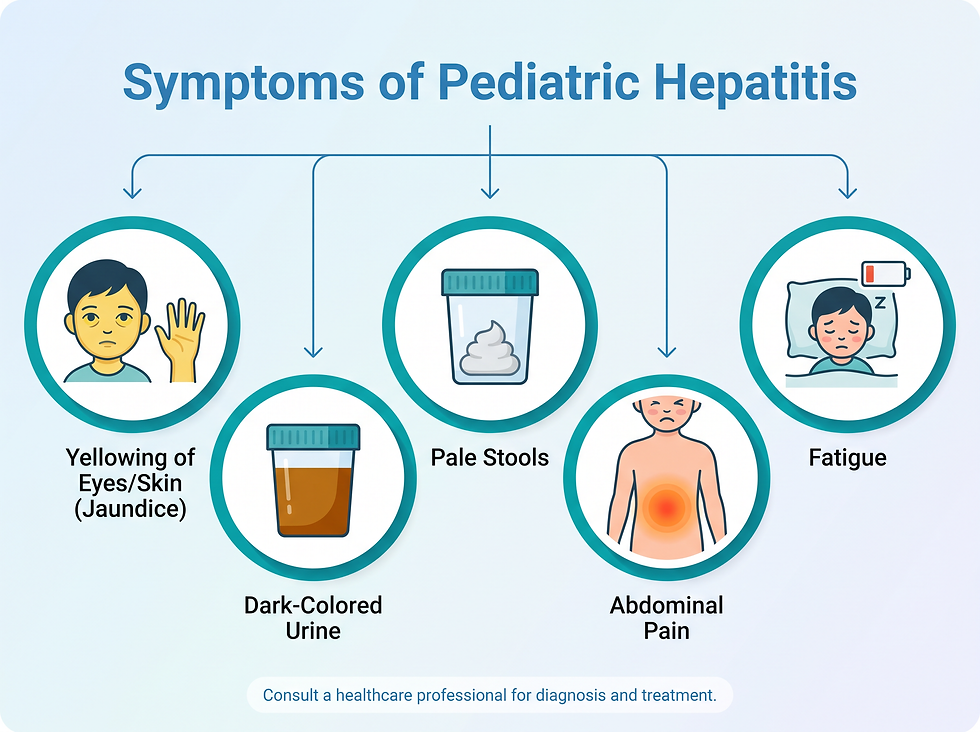
Many children with hepatitis have mild symptoms or none at all, which can make early detection challenging. When symptoms do occur, they typically appear between two weeks and six months after exposure.
Visual indicators: Yellowing of the skin or eyes (jaundice), dark-colored urine, and pale stools.
Physical discomfort: Abdominal pain, joint pain, nausea, and vomiting.
General wellness: Extreme fatigue, fever (over 100.4°F), itchy skin, and loss of appetite.
Causes and Transmission
Viral infections are the most frequent cause of hepatitis in children. The specific virus involved determines how the condition is transmitted and how it should be managed.
Common Viral Triggers
Hepatitis A, B, and C: The most common viral causes.
Other viruses: Epstein-Barr virus (mononucleosis), Cytomegalovirus (CMV), and Adenovirus.
Rare types: Hepatitis D and E (uncommon in the U.S.).
Modes of Transmission
The primary mode of transmission for Hepatitis B and C is from mother to baby during pregnancy or childbirth. Adolescents may also be at risk through intravenous drug use and the sharing of contaminated needles. Less common non-viral causes include certain medications (such as acetaminophen), exposure to toxins like alcohol, and underlying medical conditions like autoimmune disorders or fatty liver disease.

Diagnosis and Clinical Evaluation
Healthcare providers diagnose pediatric hepatitis primarily through blood tests designed to detect specific viruses. If an infection is confirmed, additional testing may be needed to assess liver health. These follow-up evaluations often include further blood work to monitor liver function and abdominal ultrasounds to check for physical changes or damage to the liver tissue.
Management and Treatment Roadmap
Treatment strategies are individualized, depending on the child's age, overall health, and the specific cause of the inflammation.
Monitoring: Routine testing for children where the infection may clear on its own or medications are not yet approved.
Supportive therapy: Focus on hydration, nutritious food, and adequate rest to support the immune system.
Medications: Direct-acting antivirals can clear viruses like Hepatitis C in 8 to 12 weeks for children aged 3 and older.

Long-Term Outlook and Prevention
The prognosis for a child with hepatitis varies based on the underlying cause and the age at diagnosis. While acute cases often resolve without issue, chronic hepatitis can lead to severe complications in adulthood, such as cirrhosis (liver scarring), liver cancer, or liver failure.
The Role of Vaccination
Vaccination is the most effective way to prevent certain types of pediatric hepatitis. The Hepatitis A and B vaccines are typically given early in life to protect children when they are most vulnerable. For pregnant individuals, screening for Hepatitis B and C is standard practice. If a mother tests positive, healthcare providers can use interventions, such as antiviral medications in the third trimester and immediate neonatal injections, to significantly reduce the risk of transmission to the baby.
Frequently Asked Questions (FAQ)
1. Can babies get hepatitis?
Yes, babies can acquire hepatitis, often through transmission from the mother during pregnancy or delivery.
2. Is pediatric hepatitis common in the U.S.?
It is relatively rare in the U.S. compared to regions with less access to clean water and vaccines.
3. What is the most common cause of hepatitis in kids?
Viral infections are the most frequent cause of liver inflammation in children.
4. Can a child have hepatitis without symptoms?
Yes, many children have no symptoms, particularly in the early or chronic stages.
5. How long does acute hepatitis last?
It is a short-term illness that usually resolves within weeks to a few months.
6. What happens if hepatitis becomes chronic?
The virus remains in the blood for more than six months, potentially leading to liver damage over time.
7. Are there vaccines for all types of hepatitis?
Vaccines are available for Hepatitis A and B, but not currently for Hepatitis C.
8. Can Hepatitis C be cured in children?
Yes, direct-acting antivirals can cure Hepatitis C in most children aged three and older.
9. How is it diagnosed?
Diagnosis is primarily performed through specialized blood tests.
10. Is jaundice always present?
No, while jaundice is a classic sign, many children with hepatitis do not develop yellowing of the skin or eyes.
11. Can teens get hepatitis from drugs?
Yes, intravenous drug use is a rising cause of Hepatitis C among adolescents.
12. Does hepatitis always lead to liver failure?
No, most acute cases resolve, and early treatment of chronic cases can prevent liver failure.
13. What should my child eat during recovery?
A nutritious diet and plenty of fluids are recommended to support liver function.
14. Can I breastfeed if I have hepatitis?
You should consult your healthcare provider; in many cases it is safe, especially if the baby has been vaccinated.
15. What is the risk of a newborn developing a chronic infection?
About 90% of newborns exposed to Hepatitis B at birth will develop a chronic infection without intervention.
References
Medical disclaimer: This content is for informational purposes only and does not constitute medical advice. Always seek the advice of your physician or other qualified health provider with any questions you may have regarding a medical condition. Never disregard professional medical advice or delay in seeking it because of something you have read here. Based on information dated October 7, 2025.
Comments