Goniotomy: A Microinvasive Approach to Glaucoma Treatment

Updated: 2 days ago
Medically reviewed by Dr. Baraa Alnahhal, MD · Last reviewed: September 2026
TL;DR
Goniotomy is a microinvasive glaucoma surgery (MIGS) designed to lower intraocular pressure by improving fluid drainage within the eye. Originally developed for congenital glaucoma in children, it is increasingly used for adults to prevent permanent vision loss. The procedure involves making precise cuts in the eye's drainage tissue, offering a high success rate and a rapid recovery period.
Quick Answer: What Is Goniotomy?
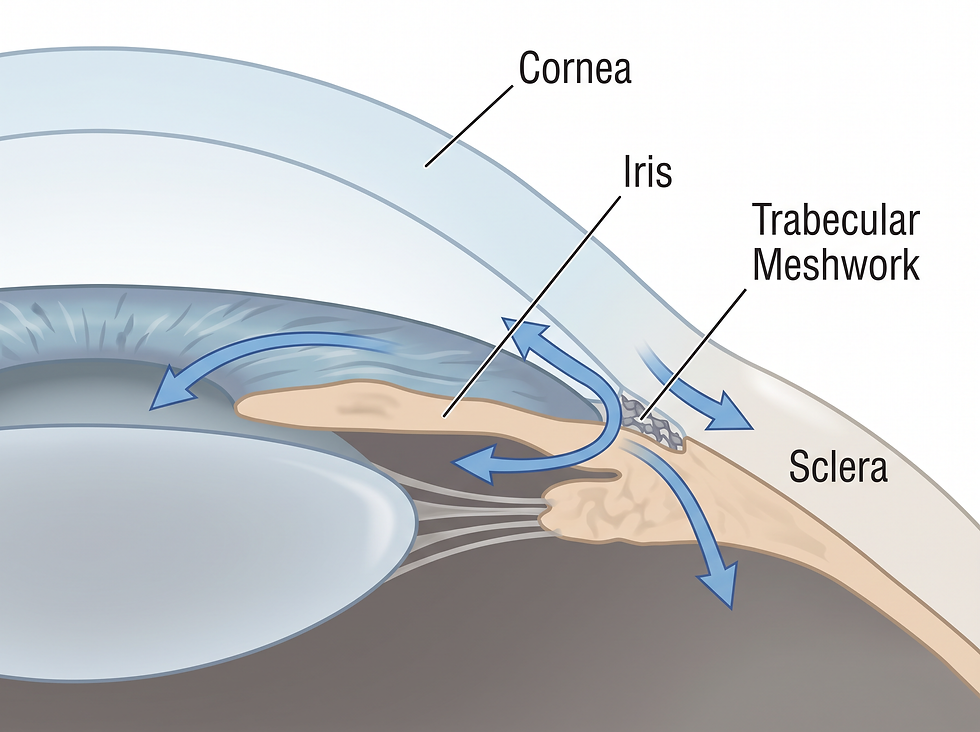
Goniotomy is a surgical procedure used to treat glaucoma by enhancing the drainage of aqueous humor fluid from the eye's anterior chamber. A surgeon uses specialized micro-tools to make small incisions in the trabecular meshwork, which reduces internal eye pressure. This 15-minute outpatient procedure is highly effective at preventing optic nerve damage and vision loss, with most patients returning home the same day and experiencing minimal postoperative discomfort.
Goniotomy represents a significant advancement in ophthalmic care, utilizing microinvasive techniques to address the root cause of high eye pressure. By creating a more efficient pathway for fluid to exit the eye, this procedure helps maintain long-term ocular health and prevents the progression of glaucoma-related blindness.
The Procedure Overview
The clinical objective of a goniotomy is to physically modify the eye's internal drainage system to facilitate better fluid flow. This procedure is typically performed in an outpatient setting and is often combined with other eye surgeries, such as cataract removal, to optimize overall visual outcomes.
Surgery type: Microinvasive Glaucoma Surgery (MIGS).
Typical duration: Under 15 minutes.
Anesthesia: Local or general.
Primary goal: Lower intraocular pressure (IOP).
Incision size: Microscopic.
Clinical Indications and Preparation
Goniotomy is indicated for various forms of glaucoma where intraocular pressure must be managed to prevent nerve damage. While it was historically the standard for pediatric congenital glaucoma, its safety and efficacy have led to broader adoption in adult patients.
Preparation for the procedure involves a thorough review of medications and specific fasting guidelines. Patients are generally advised to avoid solid food for at least eight hours prior to surgery, though clear liquids may be permitted until two hours before the scheduled time. It is essential to discuss all supplements and vitamins with the surgical team to ensure a safe clinical environment.
Step-by-Step Surgical Process
The surgical technique for goniotomy is highly refined, requiring specialized equipment to ensure precision within the delicate structures of the eye. The use of advanced magnification allows the surgeon to target specific tissues with minimal impact on surrounding areas.
Initial access: The surgeon creates a microscopic opening in the cornea to reach the anterior chamber.
Internal visualization: A specialized gonioscopic lens is placed on the eye's surface to provide a magnified view of the internal drainage structures.
Tissue modification: Using precise tools, the surgeon makes small cuts in the trabecular meshwork, a band of tissue located where the iris meets the sclera.
Completion: Once the fluid pathway is established, the tools are removed, and a clear protective shield is applied to the eye.

Recovery and Long-Term Care
Postoperative care is critical for ensuring the success of the goniotomy and preventing complications. Most patients experience a rapid recovery, with minor symptoms like eye-watering or a "sandy" sensation resolving within a few days.
Medicated drops: Antibiotics (days) and anti-inflammatories (weeks).
Activity level: Avoid driving and heavy lifting for 1–2 weeks.
Follow-up: Initial check-up scheduled for the day after surgery.
Eye protection: Use of a clear shield during sleep to prevent accidental contact.

Clinical Benefits and Risks
With a success rate ranging from 70% to 90%, goniotomy is considered a highly reliable intervention for managing eye pressure. Its long history of clinical research, spanning nearly nine decades, provides a robust foundation for its ongoing use in modern ophthalmology.
While serious complications are rare, patients should be aware of potential risks, including minor bleeding inside the eye (hyphema), temporary pressure increases, or refractive changes such as astigmatism. In rare cases, more significant issues like retinal detachment may occur, necessitating immediate clinical attention.
Conclusion
Goniotomy remains a cornerstone of glaucoma management, offering a safe and effective means of preserving vision through microinvasive technology. By addressing intraocular pressure early and effectively, this procedure provides patients with a viable path toward maintaining their long-term ocular health and quality of life.
Talk to an Eye Care Specialist
If you or a loved one are managing glaucoma or have been informed of high intraocular pressure, consult with an eye care specialist to discuss whether a microinvasive procedure like goniotomy is appropriate. Early intervention is the most effective way to prevent permanent vision loss and protect your sight for the future.
Frequently Asked Questions (FAQ)
What is a goniotomy?
It is a microinvasive surgery that improves fluid drainage in the eye to lower pressure and treat glaucoma.
Is the procedure painful?
No, anesthesia is used to prevent pain, and recovery typically involves only minor discomfort.
How long does the surgery take?
The procedure itself usually lasts less than 15 minutes.
Who is a candidate for goniotomy?
It is used for children with congenital glaucoma and increasingly for adults with various types of the condition.
What is the success rate?
Clinical studies show a success rate between 70% and 90%.
Can I drive home after surgery?
No, you will need a designated driver and must wait for clinical clearance before driving again.
How long is the recovery period?
Most minor symptoms resolve in a few days, though full recovery and medication use can last up to a month.
What are the most common side effects?
Temporary blurred vision, eye-watering, and a mild "sandy" feeling in the eye.
Is goniotomy the same as cataract surgery?
No, but they are often performed together during the same clinical session.
Does goniotomy cure glaucoma?
It manages the condition by lowering pressure, but it cannot reverse existing nerve damage.
Are there any activity restrictions?
Patients should avoid heavy lifting and strenuous activity for at least one to two weeks.
What medications are needed after surgery?
Medicated eye drops, including antibiotics and anti-inflammatory drugs, are typically prescribed.
What is a gonioscopic lens?
It is a special lens used by the surgeon to see the internal drainage structures of the eye clearly.
Can goniotomy be repeated?
The technique is adjustable, and surgeons can modify the treatment based on individual patient needs.
What happens if eye pressure remains high?
Your specialist will monitor your pressure closely and may recommend additional treatments if necessary.
Medical Disclaimer: The information provided is for educational purposes only and should not be used as a substitute for professional medical advice, diagnosis, or treatment. Always seek the advice of your physician or other qualified health provider with any questions you may have regarding a medical condition.
Comments